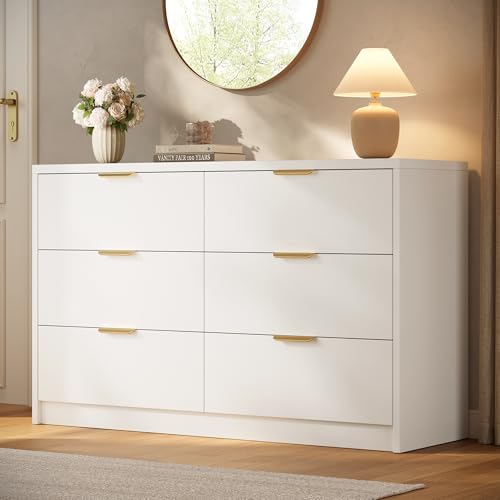
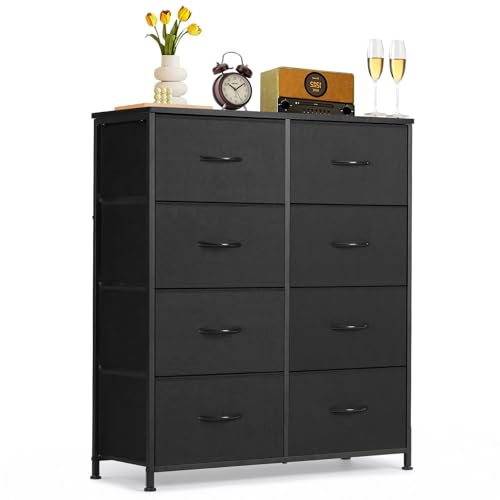
Sturdy Dresser: The Complete Guide to Heavy-Duty Bedroom Storage
A dresser should hold its shape, glide smoothly, and stay stable for years of daily use. This guide breaks down the construction details, materials, and hardware that separate a truly sturdy dresser from a wobbly one.
Explore Construction BasicsWhat Makes a Dresser Sturdy?
Sturdiness is not a single feature. It is the result of several construction decisions working together: the thickness of the frame, how the corners are joined, the quality of the drawer slides, the rigidity of the back panel, and the stability of the base. A dresser can use premium materials and still feel unstable if the joinery is weak or the drawers are undersized for their loads.
When shoppers research a durable dresser, they usually focus on the material name first. That is a good starting point, but the more reliable indicators are structural. A well-built piece distributes weight through corner blocking and dowels, keeps drawers aligned with metal slides, and uses a reinforced back panel to prevent the frame from racking sideways. For a broader overview of how these factors affect daily use, see our complete dresser buying guide.
Frame and Joinery Construction
The frame is the skeleton of the dresser. Thicker side panels and a solid top reduce flex, while corner blocking and dowel or mortise-and-tenon joints keep the box square over time. Screws alone can loosen under repeated load, so look for joinery that combines mechanical fasteners with glue and structural reinforcement.
Details that signal a strong frame
- Corner blocks or braces that reinforce the inside of the cabinet and resist racking.
- Dowel or mortise-and-tenon joints at critical connection points.
- A rigid back panel attached to the frame, not just stapled to the rear edges.
- A center support rail on wide dressers to prevent the top from bowing.
- Thicker side panels that resist twisting when drawers are opened and closed.
For wider pieces, the frame design matters even more. A wide chest of drawers experiences more lateral stress, so center supports and a reinforced back panel are essential. If you are comparing layouts, our guide to XL dressers covers how larger footprints affect stability and load distribution.
Materials That Hold Up Over Time
Solid wood remains the benchmark for durability, but high-grade engineered wood with reinforced joinery can also perform well. The practical question is not solid versus engineered, but whether the material is thick enough, properly finished, and supported by strong joinery.
Solid wood options
- Oak and maple offer high density and resist wear in high-traffic bedrooms.
- Walnut provides strong dimensional stability and a premium finish; see our solid walnut dresser overview.
- Pine is lighter and softer, so it suits lighter loads and lower-traffic rooms.
Engineered wood options
Quality plywood and furniture-grade MDF can be sturdy when paired with solid wood edging and reinforced joints. Avoid thin particle board in high-stress areas such as drawer sides and the top panel. If you are considering unfinished options, an unfinished pine dresser lets you apply a durable finish that adds protection.
For a deeper comparison of finishes and construction, explore our dresser reviews section, where build quality is evaluated alongside style.
Drawer Slides and Drawer Boxes
Drawers take the most abuse in daily use. Metal ball-bearing slides are the standard for durable dressers because they handle heavier loads and stay smooth over thousands of cycles. Drawer boxes with dovetail or reinforced box joints resist separation, and thicker bottoms prevent sagging when drawers are full.
| Component | What to Look For | Why It Matters |
|---|---|---|
| Drawer slides | Metal ball-bearing slides, full-extension options | Smoother motion and higher load capacity |
| Drawer box joints | Dovetail or reinforced box joints | Resists separation under repeated use |
| Drawer bottom | Thicker panel with center support on wide drawers | Prevents sagging when drawers are full |
| Glides and stops | Integrated stops and soft-close options | Protects the frame from impact damage |
For heavy items such as denim or bedding, consider heavy-duty locking drawer slides or a solid wood 6-drawer dresser with reinforced drawer boxes. Taller storage benefits from stable, well-aligned drawers as well; browse tall chest of drawers options to compare configurations.
Quality Tiers Explained
Not every shopper needs the same level of build. The tiers below describe relative construction quality so you can match the dresser to your household and usage patterns.
Entry-Level Tier
Basic engineered wood construction with standard slides. Suitable for light use in guest rooms or low-traffic spaces.
Mid-Tier
Reinforced frames, metal slides, and thicker drawer bottoms. A solid choice for everyday bedrooms and family homes.
Premium Tier
Solid wood frames, dovetail drawer boxes, and high-grade slides. Built for daily use and long-term durability.
Professional-Grade
Heavy-duty joinery and commercial-grade hardware. Designed for high-frequency use and heavier loads.
Mid-tier models usually offer a smoother glide and more stable frame than entry-level pieces, while premium and professional-grade tiers focus on longevity and load capacity. Our best budget dressers guide helps identify strong performers within the entry and mid-tier categories.
Sturdiness Checklist Before You Buy
Inspect these points in person or in product specifications
- Frame corners reinforced with blocks, dowels, or brackets
- Metal ball-bearing drawer slides rated for heavy loads
- Dovetail or reinforced drawer box joints
- Thick drawer bottoms with center support on wide drawers
- Rigid back panel attached to the frame
- Center support rail on wider dressers
- Anti-tip kit included or available
- Stable base with leveling feet or a solid plinth
- Finish that seals edges against moisture
If you are shopping for a smaller footprint, a narrow entryway cabinet with doors or a small cabinet with doors and drawers can deliver sturdy storage without occupying much floor space. For bedroom sets, compare best dresser sets to ensure consistent build quality across matching pieces.
Anti-Tip Safety and Placement
Even the most stable dresser should be anchored to the wall. Anti-tip straps or brackets prevent tipping when drawers are open or when children climb on the furniture. Place heavier items in lower drawers, avoid overloading the top, and keep frequently used items within easy reach to reduce strain on the frame.
Safety is part of sturdiness. A dresser that is stable when empty can still tip when fully loaded if it is not secured. Check that the model you choose includes an anti-tip kit, and follow the installation instructions carefully.
Frequently Asked Questions
What makes a dresser sturdy?
A sturdy dresser relies on a solid wood or reinforced engineered wood frame, corner blocking or dowel joinery, metal drawer slides rated for heavy loads, and a stable base. Thick drawer bottoms and a rigid back panel also add rigidity and prevent racking over time.
Are solid wood dressers always sturdier than engineered wood?
Not automatically. High-grade engineered wood with reinforced joinery can outperform poorly built solid wood. The key factors are frame thickness, joint construction, and drawer hardware quality rather than material name alone.
How can I test dresser sturdiness before buying?
Open and close each drawer to feel slide smoothness, push gently on the top corners to check for wobble, inspect the back panel and corner joints, and confirm the dresser includes an anti-tip kit. These checks reveal build quality quickly.
Do sturdy dressers need anti-tip straps?
Yes. Even heavy-duty dressers should be anchored to the wall, especially in homes with children or pets. Anti-tip straps or brackets are a standard safety requirement and are often included with quality dressers.
How many drawers should a sturdy bedroom dresser have?
Drawer count depends on storage needs rather than sturdiness. A 5-drawer dresser balances capacity and structure for many bedrooms, while an 8-drawer tall dresser offers more storage in a compact footprint. Prioritize construction quality over drawer count.
Ready to Choose a Sturdy Dresser?
Use the checklist above to evaluate construction quality, then explore recommended models that meet heavy-duty standards.
View Recommended Dressers