Storage Dresser for Living Room: The Complete Guide
Turn clutter into calm with a living room storage dresser. Learn how to choose the right size, style, and organization system for a functional, beautiful living space.
START THE GUIDEWhy a storage dresser belongs in your living room: A living room is one of the hardest-working spaces in the home. It holds entertainment gear, blankets, games, paperwork, and everyday essentials. A well-chosen storage dresser gives every item a home while doubling as a display surface and design anchor. This guide walks you through everything you need to know before you choose one.
If you have been searching for a storage dresser for living room use, you are likely in the research stage. You already know you need more concealed storage, but you may be unsure about size, materials, drawer configuration, or how to style the piece so it looks intentional rather than out of place. This guide answers those questions in plain language, with practical checklists you can apply immediately.
Living room storage is different from bedroom storage. In a bedroom, a dresser primarily holds clothing. In a living room, a dresser becomes a multi-purpose organizer: media console, linen cabinet, game station, and display surface all in one. That means durability, drawer glide quality, and visual style matter more than raw drawer volume alone.
What Is a Storage Dresser for a Living Room?
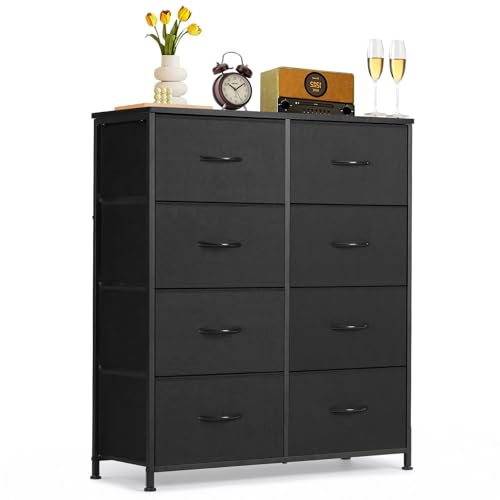
A storage dresser is a chest of drawers designed to hold household items behind closed doors. When placed in a living room, it often takes on the role of a credenza dresser or sideboard. The key difference from a traditional bedroom dresser is how it is used: living room versions tend to hold a wider mix of items, from throws and remote controls to board games and table linens.
Many shoppers compare a dresser to a dresser buying guide standard and then adapt the criteria for living room needs. The most important adaptation is surface height. A living room dresser should sit at a comfortable height for a lamp, a tray, or a television, typically between 28 and 34 inches from the floor. Depth matters too, because a deep dresser can crowd a walkway.
Another useful comparison is the display cabinet with glass doors and drawers. If you want to show off collectibles while hiding clutter, a hybrid piece may suit you better than a fully closed dresser. For pure concealed storage, a solid drawer front remains the cleanest choice.
Common Living Room Dresser Roles
- Media storage: Holds cables, controllers, and streaming devices while supporting a screen.
- Textile station: Stores throws, pillow covers, and seasonal fabrics within easy reach.
- Game and hobby hub: Deep drawers keep board games, puzzles, and craft supplies tidy.
- Entryway overflow: A narrow model can act as a landing zone near the living room entrance.
- Display surface: The top becomes a stage for lamps, plants, books, and art.
How to Choose the Right Storage Dresser
Choosing well comes down to five decisions: size, drawer layout, material, style, and safety. Work through them in order, because each choice narrows the next.
1. Measure Your Space First
Before you browse, measure the wall where the dresser will stand, the available depth, and the walking clearance in front of it. Remember that drawers need room to pull out. A dresser that fits the wall but blocks a doorway will frustrate you every day. If your wall is short, a narrow entryway cabinet with doors style may fit better than a wide chest. If you have a long media wall, a wide chest of drawers can anchor the room without looking heavy.
2. Match Drawer Layout to Your Items
Living room items vary in size, so a mix of drawer depths is ideal. Shallow top drawers suit remotes, chargers, and small accessories. Deep lower drawers hold blankets, games, and bulky electronics. A 5 drawer dresser is a popular middle ground for living rooms because it balances capacity with a compact footprint. If you need more segmentation, consider a dresser shelf combo that pairs drawers with open shelving for books or display items.
3. Choose a Material That Suits Traffic
Living rooms see more foot traffic than bedrooms, so surface durability matters. Solid wood resists wear and can be refinished. Engineered wood with quality veneers offers a stable, mid-range option. A metal dresser suits industrial and modern interiors, while a mirrored chest of drawers reflects light and makes compact rooms feel larger. If you love natural grain, a light oak dresser brings warmth without visual heaviness.
4. Pick a Style That Belongs in the Room
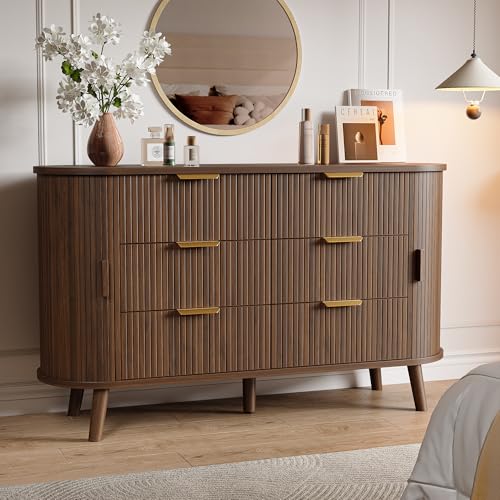
Style is personal, but cohesion is what makes a piece look built-in. A Shaker dresser pairs well with transitional and farmhouse interiors. A fluted wood dresser adds texture and suits contemporary spaces. If your living room leans eclectic, a turquoise dresser can act as a deliberate accent. For a timeless look that blends with almost anything, a walnut dresser is a dependable choice.
5. Do Not Skip Safety and Hardware
Drawer glide quality determines daily satisfaction. Smooth, soft-close glides reduce noise and wear. If you store heavy items, look for reinforced drawer boxes and consider heavy-duty locking drawer slides for security and stability. Anti-tip straps are essential in homes with children or pets. A sturdy dresser with a solid back panel and leveling feet will stay stable on uneven floors.
Quality Tiers at a Glance
To compare options without relying on any single number, use quality tiers. The table below describes what each tier typically delivers so you can match the piece to your household's needs.
| Tier | Typical Construction | Hardware & Finish | Best For |
|---|---|---|---|
| Entry-Level | Engineered wood panels, basic joinery | Standard glides, laminate or paper veneer | Guest rooms, light-use living rooms, first apartments |
| Mid-Range | Engineered wood with real veneer, reinforced drawer boxes | Soft-close glides, durable painted or stained finish | Main family living rooms with daily use |
| Premium | Solid wood frames, dovetail or dowel joinery | Full-extension soft-close glides, high-grade hardware | High-traffic living rooms, long-term ownership |
| Luxury | Solid hardwood throughout, hand-finished details | Custom hardware, heirloom-grade finishing | Design-led living rooms, collector furniture |
Placement and Styling Ideas
Where you place the dresser matters as much as what you choose. Here are proven layouts for living rooms of different sizes.
Against a Media Wall
Center a wide dresser on the media wall and mount the screen above it. Use the top for a soundbar, a low tray, and a plant. Keep the surface uncluttered so the room reads calm. A 70 inch dresser can handle this role in a large room, while a 48 wide dresser suits smaller media setups.
Behind or Beside a Sofa
A low, long dresser can float behind a sofa to create a visual divider in open-plan homes. Choose a model with a finished back. Store rarely used items in the lower drawers and keep the top styled with books and a lamp. This is where a credenza dresser excels because its proportions are designed for open sightlines.
In a Reading Nook
Pair a compact dresser with an armchair and a floor lamp. Use the drawers for blankets and magazines, and the top for a cup and a small speaker. A tall skinny dresser style can work here if the nook is narrow, though you may prefer a lower piece for sightlines.
Near the Entryway
If your living room opens to the entry, a dresser can serve as a landing zone for keys, mail, and bags. A small cabinet with doors and drawers keeps clutter out of sight while providing a drop zone. Add a tray and a mirror above for a polished look.
Living Room Dresser Styling Checklist
- Anchor the top with one large object, such as a lamp or a plant.
- Use a tray to group small items and prevent visual scatter.
- Hang art or a mirror at eye level above the dresser.
- Leave at least one-third of the top surface empty.
- Choose drawer liners to protect the interior and reduce noise.
- Keep cables managed behind the piece for a clean look.
How to Organize a Living Room Storage Dresser
An organized dresser is one you can maintain. Start by grouping items by how often you use them, then assign each group to a drawer zone.
A Simple Four-Zone System
- Daily zone (top drawers): Remotes, chargers, reading glasses, and small stationery.
- Comfort zone (middle drawers): Throws, pillow covers, and cozy socks for movie nights.
- Activity zone (lower drawers): Board games, puzzles, craft supplies, and playing cards.
- Seasonal zone (deepest drawers): Holiday decor, extra linens, and off-season accessories.
Use drawer dividers to keep small items from sliding around, and add bureau drawer liners to protect the drawer bottoms. For homes with children, keep fragile items in the upper drawers and safe, soft items in the lower drawers. If you need overflow storage, under bed storage can complement the dresser in adjacent rooms.
Labeling is optional but powerful. A small label inside each drawer helps everyone in the household return items to the right place. Review the contents quarterly and remove anything you have not used since the last review.
Materials, Finishes, and Care
The finish you choose affects both the look and the maintenance routine of your living room dresser.
Wood and Veneer
Solid wood develops character over time and can be sanded and refinished. A solid walnut dresser is a long-term investment that ages beautifully. Veneered engineered wood is more dimensionally stable and resists warping in humid rooms. For a natural, unfinished look that you can customize, an unfinished pine dresser is a flexible starting point.
Painted Finishes
Painted dressers hide minor wear and suit modern and farmhouse interiors. A white chest dresser brightens a dim living room, while a gray dresser tone works well in transitional spaces. If you plan to change the color later, refinishing wood furniture with paint is a manageable weekend project.
Specialty Surfaces
A mirrored chest of drawers needs gentle glass cleaner and a soft cloth. A metal dresser should be wiped with a damp cloth and dried promptly to prevent spotting. For textured fronts, a white dresser with rattan drawers adds warmth but requires dusting with a soft brush to keep the weave clean.
Everyday Care Tips
- Dust weekly with a microfiber cloth to prevent buildup in drawer gaps.
- Wipe spills immediately, especially on painted and veneered surfaces.
- Keep the dresser away from direct heat sources and prolonged sunlight.
- Check screws and glide mounts every few months and tighten as needed.
- Use coasters under plants and lamps to protect the top surface.
Safety Considerations
Furniture tip-over incidents are preventable. Any dresser taller than its width should be anchored to the wall with the included anti-tip kit. In living rooms, children may climb on drawers, so stability is non-negotiable.
- Install anti-tip straps into wall studs, not drywall alone.
- Avoid loading all heavy items into the top drawers.
- Check that drawer stops prevent accidental full removal.
- Keep the top surface free of climbable objects near the edges.
- Inspect glides and screws after moving the furniture.
If you are comparing a dresser against other storage forms, our guide on dresser reviews and the broader dresser buying guide can help you evaluate construction quality before you commit.
Ready to Compare Your Options?
Browse recommended living room storage dressers and see which tier and configuration fits your space.
VIEW RECOMMENDATIONSFrequently Asked Questions
What is a storage dresser for a living room?
A storage dresser for a living room is a multi-purpose furniture piece that combines drawer storage with a surface for display or media use. It is often styled as a credenza or sideboard and helps keep living room items organized.
What size storage dresser fits a living room?
The right size depends on your wall space and traffic flow. A narrow entryway cabinet with doors may suit compact rooms, while a wide chest of drawers works well on a large media wall. Always measure the available floor space and leave clearance for drawers to open.
Which material is best for a living room storage dresser?
Solid wood offers durability and a timeless look, while engineered wood with quality veneers can be a practical mid-range option. Metal dressers suit industrial interiors, and a mirrored chest of drawers adds brightness to smaller living rooms.
How do I organize a storage dresser in the living room?
Use drawer dividers and liners to separate small items. Store frequently used items in the top drawers, and use deeper drawers for linens, games, or seasonal accessories. Label storage zones so the whole family can maintain order.
Can a dresser replace a TV stand in a living room?
Yes, if the dresser is wide and stable enough to support the screen and has a finished back. Choose a model with a solid top and check that the height is comfortable for viewing. A wide dresser with cable management openings is ideal for this role.
Final Thoughts
A storage dresser can transform a living room from cluttered to composed. The best choice balances measurements, drawer layout, material durability, and visual style. Start with your space and your items, then use quality tiers to compare construction without chasing any single number. When you are ready to explore specific models, review the recommendations below and compare features side by side.
For broader context on how dressers differ from other storage forms, explore our guide comparing a dresser buying guide with related furniture categories, and consider complementary pieces like a tall sideboard cabinet with drawers if your room needs vertical storage. With the right piece in place, your living room becomes easier to maintain and more enjoyable to use every day.