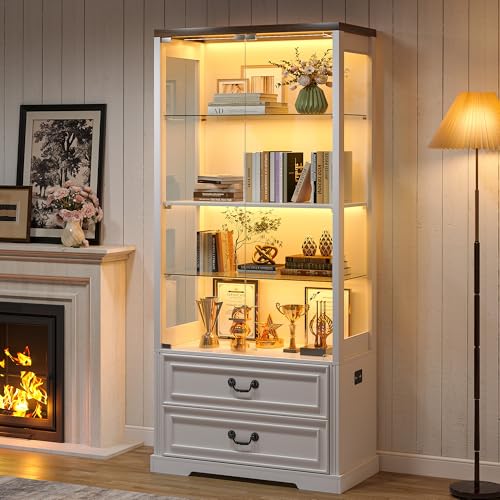
Display Cabinet with Glass Doors and Drawers: The Complete Buying Guide
Showcase your treasures behind glass while keeping everyday essentials neatly tucked away in drawers. This guide covers everything you need to choose the perfect display cabinet for your home.
Explore the GuideWhy a display cabinet with glass doors and drawers? This hybrid furniture piece solves two storage needs at once. The glass section lets you display collectibles, fine china, or decorative objects without worrying about dust, while the drawers provide concealed, organized storage for linens, silverware, or everyday clutter. It is the ideal furniture piece for dining rooms, living rooms, and entryways where both presentation and practicality matter.
What Is a Display Cabinet with Glass Doors and Drawers?
A display cabinet with glass doors and drawers is a storage furniture piece that combines open display space behind glass panels with closed drawer storage below or beside the display area. Unlike a traditional curio cabinet that is purely for display, this hybrid design offers both presentation and concealment in one unit.
The glass-door section typically features adjustable shelves where you can arrange collectibles, dinnerware, glassware, books, or decorative objects. The drawer section provides hidden storage for items you use regularly but do not want on display, such as table linens, serving utensils, or personal accessories.
This type of cabinet is sometimes called a china cabinet, a curio cabinet with drawers, or a display sideboard. It works especially well in dining rooms where you need both elegant presentation space for china and practical storage for serving pieces. For those who appreciate organized living, a storage dresser for living room serves a similar purpose in a different format. If you are also considering a taller storage piece, a tall sideboard cabinet with drawers offers a comparable blend of display and concealed storage.
Key Buying Factors: What to Look For
Before choosing a display cabinet, consider these critical factors to ensure you get a piece that fits your space, your collection, and your lifestyle.
1. Size and Proportions
Measure your available floor space and ceiling height before shopping. A cabinet that is too large will overwhelm a small room, while one that is too small will leave your collection cramped. Consider the depth as well: a deeper cabinet (18 to 20 inches) accommodates larger items like dinner plates, while a shallower cabinet (12 to 14 inches) suits smaller collectibles and fits better in narrow hallways or entryways. If you have a compact space, a small cabinet with doors and drawers might be a better fit than a full-size display cabinet.
2. Glass Area vs. Drawer Area Ratio
Think about how much display space you need versus hidden storage. If your collection is large, prioritize a cabinet with more glass shelving. If you have more everyday items to conceal, choose a model with a greater number of drawers. A balanced ratio (roughly 60 percent display, 40 percent drawers) works well for most homes.
3. Shelf Adjustability
Adjustable glass shelves allow you to customize the interior height to fit tall vases, stacked plates, or small figurines. Look for cabinets with multiple shelf-position options and sturdy shelf supports that can handle the weight of glass and ceramic items.
4. Door Type and Opening Mechanism
Glass doors may be hinged (side-opening), sliding, or bi-fold. Hinged doors offer the widest opening for arranging items, while sliding doors save space in tight areas. Soft-close hinges prevent doors from slamming and protect the glass from stress. If you need a cabinet that saves floor space, consider a narrow entryway cabinet with doors that serves a similar function in a slimmer profile.
5. Weight Capacity and Stability
Display cabinets hold heavy items like glassware, ceramics, and books. Check the weight capacity of both the glass shelves and the overall unit. A sturdy cabinet should have a solid base, anti-tip hardware, and reinforced shelf supports. Wall anchoring is essential for taller models, especially in homes with children or pets. For a reliable, long-lasting option, look for a sturdy dresser style construction with reinforced joinery.
Materials & Construction: Quality That Lasts
The material of your display cabinet affects its durability, appearance, and how well it protects your displayed items. Here is a breakdown of the most common options.
Solid Wood
Solid wood cabinets (oak, walnut, mahogany, pine, maple) offer the highest durability and a premium look. Oak and walnut are especially popular for display cabinets because they resist warping and hold their finish well over time. If you prefer a natural wood look, a light oak dresser shares the same material advantages. Solid wood is a long-term investment that can be refinished or restored if it becomes scratched or faded.
Engineered Wood with Veneer
MDF or particleboard with a wood veneer finish offers a more accessible entry-level option. Modern veneers can closely mimic the look of solid wood at a lower weight and often at a more accessible tier. However, engineered wood is more susceptible to moisture damage, so keep it away from humid areas and wipe up spills immediately.
Metal Frames
Metal-framed cabinets with glass panels create an industrial or modern aesthetic. Steel and aluminum frames are durable and resistant to warping. Look for powder-coated finishes that resist rust and scratches. A metal dresser shares similar construction principles if you are drawn to industrial-style furniture.
Glass
Tempered glass is the standard for safety in display cabinets. It is stronger than standard glass and breaks into small, blunt pieces rather than sharp shards. For high-end cabinets, look for low-iron glass, which has less green tint and offers superior clarity for displaying fine items.
Glass Options: Clarity, Safety, and UV Protection
Not all glass is created equal. The type of glass in your cabinet affects both the visual appeal and the protection of your displayed items.
Tempered vs. Annealed Glass
Tempered glass is heat-treated for strength and safety. It is the preferred choice for furniture because it resists impact better than annealed glass and breaks safely. Always choose tempered glass for shelves and doors, especially in homes with children.
UV-Filtering Glass
If you plan to display valuable or light-sensitive items (such as antique textiles, artwork, or certain collectibles), consider a cabinet with UV-filtering glass. This glass reduces the harmful effects of sunlight that can cause fading and deterioration over time. Alternatively, place the cabinet away from direct sunlight.
Low-Iron Glass
Standard glass has a slight green tint due to iron content. Low-iron glass is formulated to be clearer, providing a virtually colorless view of your displayed items. It is often found in premium and luxury tier display cabinets.
Mirrored Back Panels
Some display cabinets feature a mirrored back panel that reflects light and creates the illusion of depth. This is especially useful in smaller rooms and for showcasing items from multiple angles. A mirrored chest of drawers offers a similar reflective quality in a different furniture format.
Drawer Features That Matter
The drawers in a display cabinet are just as important as the glass section. Here is what to look for.
Drawer Slides and Glides
Drawer slides determine how smoothly the drawers open and close. Look for metal ball-bearing slides or undermount soft-close slides, which offer smooth operation and durability. Entry-level cabinets may use simpler roller glides, while mid-range and premium cabinets typically feature soft-close mechanisms that prevent slamming. For heavy-duty applications, heavy-duty locking drawer slides provide added security and load capacity.
Drawer Interior
Dovetail joinery is the hallmark of quality drawer construction. Drawers with dovetail joints are stronger and more durable than those with stapled or glued joints. Look for drawers with a smooth, sanded interior that will not snag fabrics or delicates. Drawer liners (such as felt or cork) can protect both the drawer and its contents. For organizing drawer contents, bureau drawer liners are a practical addition.
Drawer Count and Configuration
Display cabinets with drawers typically feature two to four drawers. Consider how many drawers you need based on what you plan to store. Deep drawers are better for linens and larger items, while shallow drawers suit silverware, jewelry, or small accessories. A cabinet with a dresser shelf combo design offers a similar mix of drawer and shelf storage.
Drawer Hardware
Drawer pulls and knobs are both functional and decorative. Choose hardware that complements the cabinet's style and is comfortable to grip. If you want to customize the look of your cabinet, bureau drawer knobs are an easy upgrade that can transform the appearance of the piece.
Popular Styles and Design Ideas
Display cabinets come in a wide range of styles to suit different interior aesthetics. Here are some of the most popular options.
Traditional and French Provincial
Traditional display cabinets often feature ornate details, carved wood, and a rich wood finish. A white French provincial dresser shares the elegant curves and decorative detailing that define this style. These cabinets work well in formal dining rooms and classic interiors.
Modern and Minimalist
Modern display cabinets feature clean lines, frameless glass doors, and minimal hardware. They work well in contemporary living rooms and open-plan spaces. A fluted wood dresser shares the clean, architectural lines that define modern design.
Industrial and Metal
Industrial-style cabinets combine metal frames with glass panels and wood shelves. They are a popular choice for loft apartments, home offices, and eclectic interiors.
Shaker and Farmhouse
Shaker-style cabinets feature simple, clean lines and quality craftsmanship. A Shaker dresser shares the same timeless appeal. Farmhouse-style display cabinets often incorporate distressed finishes, beadboard backs, and rustic hardware.
Mid-Century Modern
Mid-century modern display cabinets feature tapered legs, clean lines, and warm wood tones. A walnut dresser mid-century captures the same retro-inspired aesthetic that makes this style so enduring.
Where to Place Your Display Cabinet
The right location enhances both the function and the visual impact of your display cabinet. Consider these placement options.
Dining Room
The dining room is the classic home for a china cabinet with glass doors. Place it against a wall near the dining table for easy access to serving pieces and to showcase your dinnerware collection. A tall sideboard cabinet with drawers is a similarly functional piece for dining room storage.
Living Room
In the living room, a display cabinet can serve as a focal point for collectibles, books, and decorative objects. Choose a style that complements your existing furniture and consider a mirrored back panel to add light and depth. A credenza dresser shares the long, low profile that works well in living rooms.
Entryway
An entryway display cabinet with glass doors and drawers offers both a welcoming display surface and practical storage for keys, mail, and small accessories. A narrow entryway cabinet with doors is a space-efficient alternative for smaller entry spaces.
Home Office
Use a display cabinet to store books, awards, and office supplies. The glass doors keep dust off your items while the drawers hide paperwork and stationery. A white writing bureau offers a complementary workspace solution for a home office.
Bedroom
A small display cabinet in the bedroom can hold jewelry, accessories, and personal treasures. If you need more clothing storage, a tall dresser with jewelry drawer combines display and storage in a bedroom-friendly format.
Care and Maintenance Tips
Proper care keeps your display cabinet looking its best and protects your displayed items.
Cleaning the Glass
Use a microfiber cloth and a glass cleaner for streak-free results. Avoid paper towels, which can leave lint and scratches. For frosted or etched glass, use a soft cloth dampened with mild soapy water.
Cleaning the Wood Frame
Dust the wood frame regularly with a soft, dry cloth. For deeper cleaning, use a damp cloth with a mild wood-safe cleaner. Avoid abrasive products, ammonia-based cleaners, and excessive moisture, which can damage the finish.
Protecting Displayed Items
Line glass shelves with felt or non-slip mats to prevent scratching. Use silica gel packets to control humidity inside the cabinet. Rotate displayed items periodically to prevent uneven fading from light exposure. If you are refinishing an older cabinet, refinishing wood furniture with paint can give it a fresh new look.
Drawer Maintenance
Keep drawer slides clean and lubricated. Vacuum the drawer interiors periodically to remove dust and debris. Avoid overloading drawers, which can strain the slides and cause them to fail prematurely. For bathroom cabinets, replacement drawers for bathroom vanity can extend the life of an existing piece.
Frequently Asked Questions
What is a display cabinet with glass doors and drawers?
A display cabinet with glass doors and drawers combines open display space behind glass with concealed storage in drawers. It allows you to showcase collectibles, fine china, or decorative pieces while keeping everyday items hidden in the drawer section.
Where can I place a glass display cabinet?
Glass display cabinets work well in dining rooms, living rooms, entryways, home offices, and even bedrooms. Consider foot traffic, sunlight exposure, and the need to protect your displayed items when choosing a location.
How do I protect items inside a glass display cabinet?
Choose a cabinet with UV-filtering glass or place it away from direct sunlight. Use silica gel packets to control humidity, and line the glass shelves with felt or non-slip mats to prevent scratches.
What materials are used for display cabinets with glass doors and drawers?
Common materials include solid wood (oak, walnut, pine, mahogany), engineered wood with veneer, metal frames, and glass panels. Solid wood offers durability and a premium feel, while metal and glass create a modern industrial look.
How do I clean a display cabinet with glass doors?
Use a microfiber cloth and a glass cleaner for the glass panels. For the wood frame, use a damp cloth and a mild wood-safe cleaner. Avoid abrasive products that can scratch the glass or damage the finish.
Ready to Choose Your Display Cabinet?
A display cabinet with glass doors and drawers is more than just furniture. It is a practical solution for organizing your home and a beautiful way to showcase the items you love. Whether you are looking for a traditional china cabinet for your dining room, a modern display piece for your living room, or a compact cabinet for your entryway, the right choice comes down to understanding your needs and choosing a piece that fits your space and style.
Use this guide to evaluate your options with confidence. Consider the size, materials, glass type, drawer features, and placement before making your decision. If you are exploring other storage furniture, you may also want to browse our dresser buying guide for more expert advice, or compare different cabinet styles in our dresser reviews section.
View Recommended Options