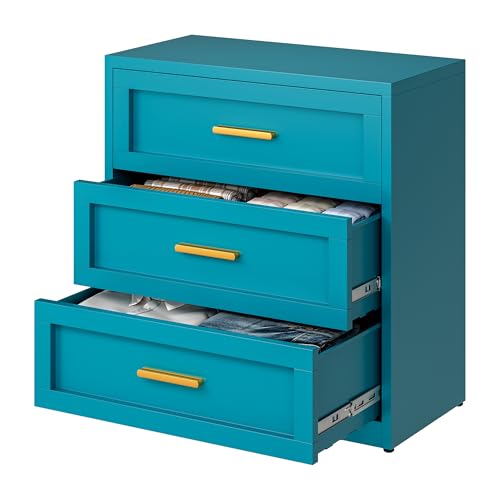
What Makes a Turquoise Dresser Different?
A turquoise dresser is a drawer-based storage piece finished in a blue-green hue that can range from soft aqua and seafoam to deep teal and jewel-toned turquoise. Unlike a standard wood or white dresser, a turquoise dresser functions as both storage and a decorative statement. The color draws the eye, so placement and surrounding decor matter more than with neutral furniture.
Turquoise dressers are typically produced in three ways: solid wood painted or stained in a turquoise finish, engineered wood with a painted or laminate surface, or vintage and antique pieces that have been repainted. Each approach has trade-offs in durability, texture, and long-term maintenance. If you are comparing construction methods, our dresser buying guide explains how drawer joints, glides, and frame materials affect longevity.
Popular Turquoise Dresser Styles
The style of your turquoise dresser determines how well it blends with your existing furniture. Here are the most common styles and where each works best.
Coastal and Beach Style
Coastal turquoise dressers usually feature weathered or whitewashed finishes, rattan or wicker drawer fronts, and light wood tops. They suit bedrooms with white linens, natural fiber rugs, and open shelving. If you like the texture of woven fronts, a white dresser with rattan drawers offers a similar coastal feel with a lighter color base that you can pair with turquoise accents.
Modern and Mid-Century Style
Modern turquoise dressers favor clean lines, tapered legs, and minimal hardware. A mid-century silhouette in turquoise works especially well in rooms with warm wood tones, because the cool color balances the warmth. For related inspiration, explore our walnut mid-century dresser guide to understand how wood tone and color interact.
Bohemian and Eclectic Style
Bohemian turquoise dressers often feature carved details, mixed hardware, or hand-painted patterns. These pieces pair well with layered textiles, plants, and global accents. If you want to create a coordinated look, consider pairing a turquoise dresser with a wicker chest of drawers for natural texture contrast.
Farmhouse and Vintage Style
Farmhouse turquoise dressers use distressed paint, cup pulls, and simple bracket feet. Vintage pieces repainted in turquoise are a popular choice because the color modernizes an older silhouette. If you are considering a repainted antique, read our guide on refinishing wood furniture with paint to understand surface preparation and finish durability.
Turquoise Dresser Size and Placement Guide
Because turquoise is a bold color, size and placement affect how dominant the piece feels in a room. Use the following guidelines to match the dresser to your space.
| Room Type | Recommended Size | Placement Tip |
|---|---|---|
| Primary bedroom | Wide 6–8 drawer dresser | Place opposite the bed or along a long wall to anchor the room |
| Small bedroom | Narrow 3–5 drawer dresser | Use a tall silhouette to save floor space and draw the eye upward |
| Nursery | Dresser with changing top | Anchor to the wall and keep the changing surface at waist height |
| Living room | Credenza-style dresser | Use as a media console or entryway storage with decor on top |
| Entryway or bathroom | Compact 2–3 drawer dresser | Choose a shallow depth to keep walkways clear |
For narrow bedrooms, a tall skinny dresser for bedroom maximizes vertical storage without crowding the floor. If you have a large wall to fill, a wide chest of drawers provides generous surface area and balanced proportions. For nursery setups, a nursery dresser with changing top combines storage and a safe changing surface in one piece.
Materials and Finishes for Turquoise Dressers
The material underneath the turquoise finish determines how the dresser ages. Painted finishes on solid wood tend to hold up best, while laminate surfaces resist chipping but can look flatter. Here is how the main options compare.
Solid Wood
Solid wood turquoise dressers are the most durable option. The paint adheres well, the drawers slide smoothly when properly constructed, and the piece can be repainted or refinished later. Look for dovetail drawer joints and solid wood drawer boxes rather than stapled particleboard. For a natural wood base that accepts paint well, consider an unfinished pine dresser as a starting point for a custom turquoise finish.
Engineered Wood
Engineered wood dressers with a painted or laminated turquoise surface are common in the mid-range tier. They are lighter and more consistent in color, but edges can chip if the dresser is moved frequently. Check that the drawer glides are rated for the drawer's loaded weight, and avoid overloading shelves.
Metal and Mixed Materials
Metal turquoise dressers, often powder-coated, suit industrial and modern rooms. They resist moisture well, which makes them a good fit for bathrooms and laundry areas. A metal dresser in a turquoise powder coat is a practical alternative when humidity is a concern.
Paint vs. Stain
Painted turquoise finishes are opaque and uniform, while stained or washed finishes let the wood grain show through. Distressed painted finishes add texture but can collect dust in the grooves. Gloss finishes are easier to wipe clean; matte finishes hide scratches better. Whichever you choose, apply a protective topcoat if the dresser will sit near windows or handle daily use.
How to Evaluate Turquoise Dresser Quality
Color is the first thing you notice, but construction is what determines whether the dresser lasts. Use this checklist when comparing options.
- Drawer joints: Dovetail joints are stronger than stapled or nailed joints and are a sign of higher-tier construction.
- Drawer glides: Metal ball-bearing glides with a smooth pull and soft-close feature reduce wear. Heavy-duty locking slides are worth considering for deep drawers that hold heavy clothing.
- Frame stability: Press gently on the top corners. A well-built frame should not rack or wobble.
- Finish consistency: Check that the turquoise paint or laminate is even on edges, inside drawers, and on the back panel.
- Hardware: Knobs and pulls should be firmly attached and comfortable to grip. If you plan to swap hardware, confirm the hole spacing matches standard sizes.
- Safety features: For nurseries and homes with children, look for anti-tip straps and drawers that stop before pulling fully out.
If you want a broader framework for judging construction, our dresser reviews section breaks down what to look for across different product tiers. For an entry-level option that still meets basic durability standards, a sturdy dresser guide can help you separate solid builds from flimsy ones.
Turquoise Dresser Color Pairing Ideas
Turquoise is a flexible accent color, but the surrounding palette changes its mood. Use these pairings as a starting point.
- Turquoise and white: A crisp, coastal look. Pair with white bedding, white walls, and light wood floors.
- Turquoise and natural wood: Warm and balanced. Works well with oak, walnut, and rattan pieces.
- Turquoise and gray: Modern and calm. Ideal for contemporary bedrooms and home offices.
- Turquoise and coral or mustard: Bold and energetic. Use in small doses through textiles and art.
- Turquoise and black: Dramatic and graphic. Pair a deep teal dresser with black hardware and frames.
If you are building a coordinated bedroom, a bedroom dresser and side table set can help you repeat the turquoise accent consistently. For a softer approach, a light oak dresser paired with turquoise decor items achieves a similar color story without committing to a fully painted piece.
Turquoise Dresser for Nurseries and Kids' Rooms
Turquoise is a popular nursery color because it is calming without being stereotyped by gender. When choosing a turquoise dresser for a nursery, prioritize safety and practicality over decorative details.
- Secure the dresser to the wall with the included anti-tip strap.
- Choose a dresser with a changing top that has raised edges to keep the pad in place.
- Ensure drawers have stops so they cannot be pulled completely out.
- Use a low-VOC or water-based paint finish if the dresser will be in a room with an infant.
- Avoid sharp corners or add corner guards until the child is older.
A white changing table dresser can be painted or paired with turquoise accents if you prefer a neutral base with removable color. For a dedicated nursery piece, a 3 drawer dresser with changing top offers a compact footprint that fits small rooms.
Maintaining a Painted Turquoise Dresser
Painted finishes need gentle care to keep their color and sheen. Follow these habits to extend the life of your turquoise dresser.
- Dust weekly with a soft microfiber cloth. Avoid abrasive pads that can dull the paint.
- Wipe spills immediately with a damp cloth and mild soap. Do not let liquids sit on the surface.
- Avoid ammonia-based or solvent cleaners, which can break down the topcoat.
- Keep the dresser out of direct sunlight to reduce fading, especially on south- and west-facing walls.
- Use felt pads under lamps, vases, and decorative objects to prevent scratches.
- Line drawers with a soft liner to protect the painted interior and keep clothing free of paint dust.
If the finish does become worn, a light sanding and fresh coat of paint can restore the color. Our guide on refinishing wood furniture with paint covers preparation, primer selection, and topcoat options.
Common Mistakes When Buying a Turquoise Dresser
- Choosing color before size: Measure your wall and walkway first. A bold color amplifies a poorly scaled piece.
- Ignoring the room's light: Turquoise can look brighter in natural light and darker in warm artificial light. View swatches in the actual room if possible.
- Overlooking drawer function: Test the glides and check that drawers open smoothly with weight inside.
- Skipping safety anchoring: Any dresser taller than 30 inches should be secured to the wall, especially in homes with children.
- Mismatching hardware: If you plan to replace knobs, confirm the hole spacing before ordering new hardware.
Frequently Asked Questions About Turquoise Dressers
What is a turquoise dresser?
A turquoise dresser is a storage piece painted or finished in a blue-green hue that ranges from soft aqua to deep teal. It is typically used in bedrooms, nurseries, and living spaces as a statement furniture piece that adds vibrant color while providing drawer storage.
Where can I place a turquoise dresser in my home?
Turquoise dressers work well in bedrooms as a main storage piece, in nurseries as a bright changing station, in living rooms as an accent credenza, and in entryways or bathrooms as a compact storage cabinet. The color adds a refreshing focal point in neutral rooms and complements coastal, bohemian, and modern decor styles.
What materials are best for a turquoise dresser?
Solid wood is the most durable choice for a turquoise dresser because it accepts paint and finish well and holds up over time. Engineered wood with a painted finish is a common mid-range option, while metal and rattan frames offer lighter alternatives. Look for dovetail drawer joints and smooth glides for lasting quality.
How do I maintain a painted turquoise dresser?
Dust regularly with a soft cloth, wipe spills promptly with a damp cloth, and avoid harsh chemical cleaners that can dull the painted finish. Keep the dresser out of direct sunlight to prevent fading, and use felt pads under decorative items to protect the surface from scratches.
Can a turquoise dresser work in a small room?
Yes. In small rooms, choose a tall, narrow turquoise dresser to maximize vertical storage without consuming floor space. Keep surrounding decor neutral so the dresser remains a focal point rather than overwhelming the room.
Is a turquoise dresser suitable for a nursery?
A turquoise dresser can work well in a nursery when it includes safety features such as an anti-tip strap, drawer stops, and a changing top with raised edges. Choose a low-VOC or water-based finish and secure the piece to the wall.