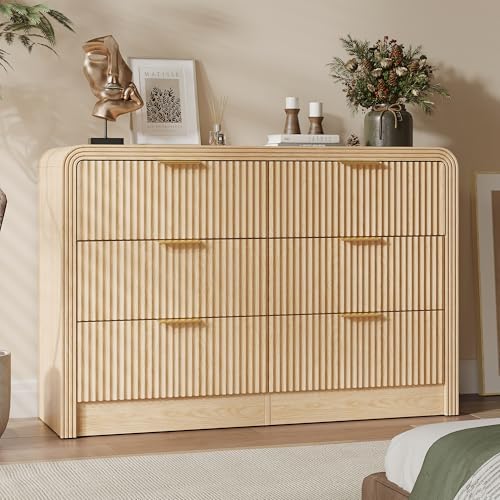
Fluted Wood Dresser: Complete Buying Guide
Discover how fluted wood dressers bring sculptural texture, warm wood tones, and refined storage to modern bedrooms. Learn the design details, material choices, and drawer quality that define a well-made fluted piece.
START EXPLORINGFluted Wood Dresser Philosophy: A fluted wood dresser is not just storage—it is a statement piece. The vertical ribs catch light throughout the day, turning a functional bedroom anchor into a subtle work of art. This guide helps you understand what to look for before you invest in one.
What Is a Fluted Wood Dresser?
A fluted wood dresser features vertical rounded ridges, grooves, or ribs carved into the drawer fronts or cabinet body. This rhythmic surface creates depth and shadow, giving the piece a sculptural quality that flat-front dressers lack. The design draws from mid-century modern and Art Deco furniture traditions, where texture was used to add visual interest without ornamentation.
Fluted dressers work in nearly any interior style—from minimalist bedrooms to warm transitional spaces. The key is understanding how the fluting is executed, what material sits beneath the surface, and whether the drawer mechanics match the visual quality. For a broader view of dresser categories, see our complete dresser buying guide.
Why Choose a Fluted Design?
- Visual texture: Vertical lines draw the eye upward, making dressers feel taller and more refined.
- Light play: Rounded ridges catch ambient light, adding depth that flat fronts cannot achieve.
- Fingerprint camouflage: Texture disguises smudges and minor wear better than smooth, glossy surfaces.
- Style versatility: Works equally well in modern, mid-century, and transitional bedrooms.
- Conversation piece: A fluted dresser reads as intentional design rather than basic storage.
How Fluted Dressers Are Made
The quality of a fluted dresser depends on how the fluting is produced and what material sits underneath. There are three common approaches:
1. Solid Wood Fluting
Individual rounded wood strips are milled and attached to a solid wood drawer front, or the fluting is carved directly into thick solid wood panels. This is the most durable approach and the one that ages best. Solid walnut, oak, and ash are common choices. If you prefer a darker, richer tone, a solid walnut dresser in fluted form is a long-term investment.
2. Engineered Wood with Applied Fluting
MDF or particleboard cores are wrapped with applied fluted strips, often in veneer or laminate. These pieces suit mid-tier needs and can look convincing at a distance, but the fluting may separate over time if exposed to humidity. Inspect the edges carefully—well-made versions have tight, consistent spacing.
3. Reeded or Ribbed Veneer
Some manufacturers use flexible reeded veneer sheets pressed onto flat panels. This is the most economical approach and often found in entry-level pieces. The texture is shallower, but the visual effect is still appealing. Check that the veneer is properly sealed to prevent lifting.
Drawer Quality: What Actually Matters
Fluting is the visual hook, but the drawers are what you live with every day. A beautiful fluted front means little if the drawers stick, sag, or fall apart. Here is what to check:
- Joinery: Dovetail joints signal long-term durability. Stapled or glued butt joints are a red flag in any tier above entry-level.
- Glides: Metal ball-bearing slides with full extension are the standard for mid-range and above. Wood-on-wood glides are traditional but require waxing.
- Drawer bottoms: Look for plywood or solid wood bottoms set in grooves—not stapled cardboard or thin hardboard.
- Interior finish: Sanded, sealed interiors protect clothing and signal attention to detail.
- Weight capacity: Heavier drawers need reinforced slides. If you plan to store denim or linens, check the stated capacity.
For a broader look at construction standards, see our guide to sturdy dresser construction.
Material and Finish Options
Fluted dressers appear in a range of wood species and finishes. Each brings a different mood to the room:
- Walnut: Rich, dark, and dramatic. Fluting in walnut creates deep shadow lines that feel luxurious. A walnut dresser in fluted form is a flagship-tier choice.
- Oak: Light, durable, and versatile. Fluted oak dressers suit Scandinavian and modern farmhouse interiors. See our light oak dresser guide for finish options.
- Ash and Beech: Pale and smooth-grained, these species take paint and stain well. Common in mid-century-inspired fluted designs.
- Painted finishes: Fluted dressers in matte white, sage, or charcoal are popular in nurseries and modern bedrooms. A white dresser with fluted detailing offers a fresh, airy look.
- Natural oil finish: Highlights the grain and keeps the texture tactile. Requires occasional re-oiling but ages beautifully.
Fluted Dresser Tiers: A Comparison
Fluted dressers span a wide range of construction quality. Use this table to understand what each tier typically delivers—without referring to any specific figures.
| Tier | Best For | Typical Construction |
|---|---|---|
| Entry-level | First apartments, guest rooms, rental spaces | Engineered wood core, applied reeded veneer, stapled or glued joints, basic metal glides |
| Mid-range | Primary bedrooms, long-term family use | Engineered or mixed wood core, solid wood fluting on drawer fronts, dovetail joints, ball-bearing glides |
| Premium | Design-focused bedrooms, high-use spaces | Solid wood construction, carved or milled fluting, dovetail drawers, full-extension soft-close glides |
| Luxury | Statement pieces, custom interiors | Hand-carved solid hardwood, traditional joinery, premium hardware, hand-applied finishes |
Across all tiers, the best fluted dressers share one trait: consistent fluting depth and spacing. Irregular ridges are a sign of rushed production and will be visible in raking light.
Sizing and Placement
Fluted dressers come in many widths and heights, from compact three-drawer chests to wide six-drawer credenzas. Before choosing, measure your space and consider traffic flow:
- Width: Allow at least 30 inches of clearance in front of the dresser for comfortable drawer access.
- Height: A dresser top around 30–36 inches works well for most adults. Tall fluted chests suit narrow spaces—see our tall skinny dressers guide.
- Depth: Standard dressers are 18–20 inches deep. Deeper drawers hold more but require more floor space.
- Anchoring: Always anchor dressers to the wall, especially in homes with children. Fluted fronts can make dressers top-heavy if the drawers are overloaded.
Styling a Fluted Wood Dresser
The texture of a fluted dresser is the star—let it breathe. Keep the top surface simple: a lamp with warm light, a small ceramic tray, and perhaps a leaning mirror. Avoid busy patterns or too many small objects that compete with the vertical rhythm. A mid-century walnut dresser with fluted detailing pairs beautifully with neutral textiles and brass accents.
In a bedroom, place the dresser opposite the bed or beside a window where natural light can graze the ridges. In a living room or entryway, a fluted dresser can serve as a credenza-like storage piece—our guide to a credenza dresser explains how to adapt bedroom storage for shared spaces.
Caring for a Fluted Wood Dresser
Dust settles in the grooves of fluted fronts, so regular cleaning matters. Use a soft microfiber cloth or a vacuum brush attachment to clear the ridges. Avoid wet cloths, which can swell wood and lift veneer. For oiled finishes, reapply a thin coat of furniture oil once or twice a year. For painted fluted dressers, a damp cloth followed by a dry buff is sufficient.
Keep the dresser out of direct sunlight to prevent uneven fading, especially on natural wood finishes. If you notice a drawer sticking, check the glides before forcing it—a small adjustment often solves the issue.
Ready to Explore Fluted Dresser Options?
Browse our curated selection of fluted wood dressers and storage pieces below, chosen for their design detail and construction quality.
VIEW RECOMMENDED DRESSERSFrequently Asked Questions
What is a fluted wood dresser?
A fluted wood dresser features vertical rounded ridges or grooves carved into the drawer fronts or cabinet body, creating a rhythmic, textured surface that plays with light and shadow.
Are fluted wood dressers durable?
Durability depends on the core material and joinery. Solid wood fluted dressers with dovetail joints and quality glides are long-term investments, while engineered wood versions suit mid-tier needs.
How do I style a fluted wood dresser?
Keep the top uncluttered to highlight the texture. Use a mirror, a small tray, and a lamp with warm light to accentuate the fluted ridges. Avoid busy patterns that compete with the vertical lines.
What rooms suit a fluted wood dresser?
Bedrooms are the most common placement, but fluted dressers also work in living rooms, entryways, and nurseries where a sculptural storage piece adds visual interest.