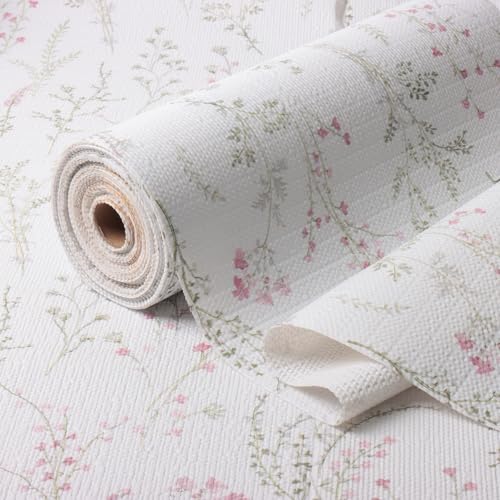
Bureau Drawer Liners: The Complete Protection Guide
Keep your drawers clean, your clothes protected, and your furniture looking newer for longer with the right liner strategy.
Why this guide matters: You already know you want to protect your dresser drawers — now you need clarity on materials, fit, and installation. This guide walks you through every option so you can choose with confidence before you check availability online.
What Are Bureau Drawer Liners?
Bureau drawer liners are protective layers placed at the bottom of drawers inside dressers, chests, and bureaus. They serve several practical purposes: they shield the wood or engineered surface from scratches, spills, and moisture; they prevent clothing and accessories from sliding around; and they add a finished, thoughtful feel to any bedroom storage piece. Whether you own a solid walnut dresser or a white chest dresser, a quality liner is one of the simplest upgrades you can make.
Liners come in many forms — from self-adhesive rolls to pre-cut felt sheets — and choosing the right one depends on your drawer material, the items you store, and how much installation effort you are comfortable with. The sections below break down each option in plain language.
Materials Compared: Which Liner Suits Your Drawer?
Understanding liner materials is the fastest way to narrow your choice. Each material has a distinct personality, and matching it to your storage habits matters more than chasing the thickest option.
Felt Liners
Felt is the classic choice for clothing drawers. It is soft, quiet, and gentle on delicate fabrics. Felt liners are typically available in entry-level and mid-range quality tiers; the better versions resist pilling and hold their shape after washing. They work beautifully in a tall dresser with a jewelry drawer where small items need a soft landing.
Non-Slip Rubber and Foam Liners
These liners grip the drawer base and keep contents from sliding. They are especially useful in wide chest of drawers units where folded stacks tend to shift. Mid-range non-slip liners usually offer a better grip pattern than entry-level versions, while premium options add moisture resistance.
Adhesive and Peel-and-Stick Liners
Self-adhesive liners stay firmly in place and are ideal for drawers that see heavy daily use, such as those in a 5 drawer dresser. Look for repositionable adhesive if you may want to remove them later without damaging the finish. For unfinished pine dresser surfaces, choose a gentle adhesive and test on a hidden corner first.
Fabric and Paper Liners
Fabric liners offer a decorative touch and are often washable. Paper liners are the lightest option and suit seasonal rotation or temporary protection. They are a solid choice if you plan to refinish wood furniture with paint later and want a removable layer in the meantime.
Scented Liners
Scented liners add a subtle freshness to drawers. They are popular in guest room pieces and in a white bedside table with drawer. Choose mild scents and avoid heavily perfumed versions near stored clothing if you are sensitive to fragrance.
How to Choose the Right Liner for Your Bureau
Use this quick decision framework before you shop. It saves time and helps you avoid liners that look good but fit poorly.
1. Measure Every Drawer
Drawer interiors vary, even within the same piece. Measure width and depth for each drawer. A 45 inch wide dresser and a 48 wide dresser may share a footprint but have different drawer dimensions. Pre-cut liners rarely match perfectly, so trimmable rolls are often the smarter option.
2. Match Liner to Drawer Material
Solid wood drawers benefit from breathable felt or fabric liners. Engineered wood and painted interiors pair well with non-slip foam. For a heavy-duty locking drawer slide setup, keep the liner thin so it does not interfere with the slide mechanism.
3. Consider What You Store
Clothing drawers need soft, breathable liners. Accessory drawers need grip. Utility drawers in a storage dresser for living room may need moisture-resistant liners. If you use under bed storage bins alongside your dresser, coordinate liner materials for consistency.
4. Decide on Installation Effort
Peel-and-stick is the quickest. Cut-to-fit rolls take a little more time but offer a cleaner result. Washable fabric liners are easiest to refresh over the years.
Installation Tips That Actually Help
Even a high-end liner underperforms if installed carelessly. These steps take minutes and make a visible difference.
- Empty and clean first. Vacuum drawer corners and wipe with a dry cloth. Let the surface dry completely before laying any liner.
- Make a paper template. Trace the drawer base on paper, cut it out, and test the fit before cutting your liner.
- Work from one corner. Smooth the liner outward to avoid trapped air bubbles, especially with adhesive versions.
- Leave a small gap at the back. A 1/8-inch gap prevents the liner from buckling when the drawer opens and closes.
- Let adhesive liners settle. Avoid loading the drawer heavily for the first day so the bond can set.
If your project involves more than liners, a dresser buying guide can help you evaluate drawer construction quality before you invest in accessories.
Maintenance and Longevity
Drawer liners are not permanent fixtures, but a little care extends their life considerably. Felt and fabric liners can usually be hand-washed or spot-cleaned; check the manufacturer's guidance first. Adhesive liners should be wiped with a damp cloth rather than soaked. Replace liners when they begin to fray, lose grip, or develop odors — especially in humid climates.
If you are refreshing an entire bedroom set, pairing new liners with small upgrades like bureau drawer knobs gives a coordinated, intentional look without a full replacement.
Common Mistakes to Avoid
Buyers often regret a few predictable missteps. Learn from them now:
- Buying pre-cut liners without measuring each drawer individually.
- Choosing thick liners for drawers with tight clearances or locking slides.
- Using strong adhesive on unfinished or delicate wood finishes.
- Skipping the drying step after cleaning, which traps moisture under the liner.
- Ignoring scent sensitivity when selecting scented options for clothing storage.
Frequently Asked Questions
How often should bureau drawer liners be replaced?
Felt and fabric liners typically last several years with regular cleaning. Adhesive liners can last longer but should be replaced once edges lift or the surface loses grip. Replace immediately if you notice odors or moisture damage.
Can drawer liners damage wood drawers?
Not if chosen correctly. Use breathable materials on solid wood and test adhesive liners on a hidden area first. Avoid liners that trap moisture directly against unfinished wood.
Are scented liners safe for clothing?
Most are, but mild scents are safer for sensitive skin and delicate fabrics. If you are unsure, place the scented liner in a utility drawer rather than a clothing drawer.
What is the best liner for a dresser used in a nursery?
Soft, washable, unscented felt or fabric liners are the safest choice. For a 3 drawer dresser with changing top, choose a liner that stays flat and does not bunch when the drawer opens.
Do liners help with drawer organization?
Yes. Non-slip liners keep dividers and bins in place, and felt liners protect the bottoms of organizers. Combine liners with drawer dividers for the most orderly result.
Can I use drawer liners in a bathroom or kitchen cabinet?
Absolutely, as long as you choose moisture-resistant options. Many buyers use the same materials for a small cabinet with doors and drawers or a tall sideboard cabinet with drawers.
Final Checklist Before You Buy
Run through this list and you will be ready to compare options confidently:
- Measured every drawer individually
- Identified drawer material (solid wood, engineered, painted)
- Chosen material type based on stored items
- Decided between adhesive, non-slip, or loose-lay
- Confirmed scent preference
- Prepared cleaning supplies and a paper template
With those boxes checked, you are ready to explore products. The recommended picks below are organized to help you compare features at a glance.