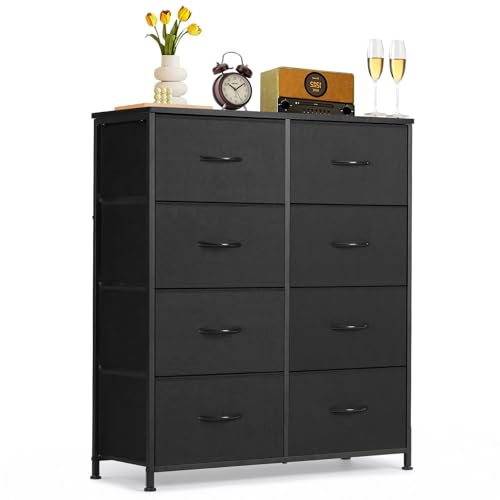
Single Dresser: The Complete Buying Guide
Everything you need to know about choosing a single dresser — from ideal dimensions and drawer layouts to materials, styles, and smart storage solutions for compact bedrooms.
START READINGWhy a Single Dresser? A single dresser is one of the most versatile storage pieces you can own. Whether you're furnishing a compact bedroom, setting up a guest room, or looking for a standalone chest of drawers, understanding the right size, configuration, and material will help you make a confident purchase.
What Is a Single Dresser?
A single dresser is a standalone storage unit featuring a stack or row of drawers, designed to hold clothing, accessories, and personal items. Unlike a full bedroom set that pairs a dresser with a matching nightstand or mirror, a single dresser functions independently. This makes it an ideal choice for smaller spaces, rental apartments, guest bedrooms, and rooms where flexibility matters more than matching furniture collections.
Single dressers come in two primary orientations: horizontal (wide and low) and vertical (tall and narrow). The right choice depends on your floor space, wall availability, and how you prefer to access your belongings.
Horizontal vs. Vertical Single Dressers
Horizontal single dressers offer a broad top surface that can double as a display area for decor, a mirror, or a small television. They work well in rooms with long, empty walls and are easier to reach into because the drawers are lower. If you're considering a media setup, a bedroom TV stand dresser is a practical variation of this format.
Vertical single dressers, also called tall chests or tallboys, maximize vertical storage while occupying minimal floor space. They are an excellent fit for narrow bedrooms, closets, or dorm rooms. A 24-inch tall chest of drawers is a compact example that fits neatly into tight corners.
How to Choose the Right Single Dresser Size
Size is the most critical factor when selecting a single dresser. Too large, and it will overwhelm your room; too small, and it won't meet your storage needs. Start by measuring your available floor space and the height of your walls. Leave at least 30 inches of clearance in front of the dresser so drawers can open fully.
Single Dresser Size Chart
| Size Category | Typical Width | Best For |
|---|---|---|
| Compact / Small | Under 30 inches | Tiny bedrooms, closets, dorm rooms, nursery corners |
| Standard Single | 30–50 inches | Guest rooms, apartments, primary bedrooms with moderate storage needs |
| Wide Single | 50–70 inches | Larger bedrooms, shared rooms, rooms with long wall space |
For very tight spaces, a small chest of drawers or a shallow chest of drawers can provide essential storage without blocking walkways. If you need something wider for a spacious room, a 50-inch dresser strikes a balance between capacity and footprint.
Height Considerations
The height of your single dresser affects both accessibility and visual balance. A dresser that is too low forces you to bend frequently, while one that is too tall may feel imposing. The ideal top surface height for most adults is between 30 and 36 inches. For children's rooms, look for children's dressers with lower profiles and safety features such as anti-tip straps.
Drawer Layout and Configuration
The number and size of drawers determine how well a single dresser organizes your belongings. A 3-drawer pine chest of drawers is a classic starter layout, offering a balance of deep and shallow storage. For more extensive wardrobes, a 5-drawer chest of drawers in solid wood or a 9-drawer dresser provides generous capacity.
Consider how you fold and store clothing. Deep drawers work well for bulky items like sweaters and jeans, while shallow drawers are better for delicates, accessories, and folded shirts. Some single dressers include a mix of drawer depths, which is ideal for versatile organization.
Soft-Close and Heavy-Duty Hardware
Drawer hardware quality directly affects the lifespan and usability of your dresser. A soft-close dresser prevents drawers from slamming, reducing wear on the frame and joints. For frequent use or heavier loads, look for models with heavy-duty drawer slides rated for repeated daily operation. A heavy-duty dresser is a worthwhile investment if you need long-term durability.
Materials and Finishes
The material of your single dresser impacts its durability, weight, and aesthetic. Solid wood remains the gold standard for longevity and repairability. Popular options include:
- Oak: Dense, durable, and resistant to wear. An oak dresser with mirror is a timeless choice.
- Pine: Lighter and more economical, with a rustic character. A pine chest suits casual or cottage-style rooms.
- Maple: Fine-grained and smooth, ideal for painted finishes. A maple dresser offers a clean, contemporary look.
- Mahogany and Cherry: Rich, warm tones that deepen with age. A mahogany chest of drawers or dark cherry dresser adds traditional elegance.
- Cedar: Naturally aromatic and moisture-resistant, making it a smart choice for storing linens and woolens. A cedar dresser offers built-in protection.
Engineered wood and laminate options provide stable, lightweight alternatives at the entry-level tier. These are suitable for guest rooms or temporary setups where solid wood is not essential.
Finish and Color Options
Your dresser's finish should complement the room's palette. Neutral finishes like brown wood, black, and gray blend easily with most decor. For a statement piece, consider a light blue dresser, an emerald green dresser, or a purple dresser. A white dresser brightens small rooms and creates an airy feel.
Style Guide for Single Dressers
Style is personal, but certain designs work better in specific room contexts. Here is a breakdown of popular single dresser styles:
| Style | Key Characteristics | Best Room Pairing |
|---|---|---|
| Modern / Contemporary | Clean lines, minimal hardware, matte or gloss finishes | Urban apartments, minimalist bedrooms |
| Mid-Century Modern | Tapered legs, warm wood tones, geometric handles | Retro-inspired bedrooms, open living spaces |
| Farmhouse / Cottage | Distressed finishes, beadboard details, cup pulls | Rustic bedrooms, country-style homes |
| French Provincial | Ornate carvings, curved legs, soft painted finishes | Traditional bedrooms, elegant guest rooms |
| Mission / Craftsman | Straight lines, exposed joinery, quarter-sawn oak | Arts and Crafts interiors, studies |
A mid-century dresser or a fluted dresser brings sculptural interest to modern rooms. For a softer, romantic look, a French provincial dresser or an ornate dresser adds vintage charm. If you prefer a handcrafted aesthetic, a mission-style dresser or a cottage dresser delivers warmth and character.
Single Dresser Placement Ideas
Where you place your single dresser affects both function and flow. Here are practical placement strategies:
- Along a blank wall: Maximizes floor space and creates a focal point. Add a mirror above for light reflection.
- In a closet: A dresser for closet keeps clothing organized and frees up bedroom space. This works especially well with a dresser with hanging rod that combines folded and hanging storage.
- Beside the bed: A narrow single dresser can function as an oversized nightstand, especially in rooms without space for separate bedside tables.
- Under a window: A low, wide dresser fits neatly below windowsills, using otherwise wasted wall space.
- As a room divider: In studio apartments, a dresser placed perpendicular to a wall can subtly separate sleeping and living zones.
For rooms with limited floor area, consider a low dresser with drawers or a small storage chest with drawers that fits into alcoves or beside doorways.
Storage Efficiency Tips
Getting the most out of your single dresser requires thoughtful organization. Use these strategies to maximize every drawer:
- Assign zones: Designate top drawers for accessories and delicates, middle drawers for folded shirts, and bottom drawers for bulkier items like jeans and knitwear.
- Use dividers: Drawer dividers keep socks, underwear, and small items neatly separated. Adjustable dividers are especially useful in deep drawers.
- Fold vertically: The KonMari folding method — folding items into narrow rectangles and standing them upright — lets you see everything at a glance and saves space.
- Rotate seasonally: Store off-season clothing in under-bed bins or higher shelves, keeping your dresser focused on current wardrobe essentials.
- Line drawers: Non-slip drawer liners protect the wood and keep clothing from sliding around.
Safety and Assembly Considerations
Safety should never be overlooked. Dressers can tip over if drawers are left open or if the unit is not properly secured. Always anchor your dresser to the wall using anti-tip hardware, especially in homes with children or pets. Look for models that include wall-anchoring kits or have been tested to stability standards.
If you prefer a hassle-free setup, consider a fully assembled dresser or an assembled bedroom chest of drawers. These arrive ready to use and eliminate the risk of assembly errors. For those who don't mind some assembly, an easy-to-assemble white dresser is a practical option that requires minimal tools.
Single Dresser vs. Other Storage Furniture
Understanding how a single dresser compares to alternatives helps you make an informed decision:
| Furniture Type | Best For | Space Requirement |
|---|---|---|
| Single Dresser | Folded clothing, accessories, personal items | Moderate floor space; wall-adjacent |
| Armoire | Hanging clothes plus folded storage | Tall vertical footprint |
| Wardrobe | Full hanging and shelving for extensive wardrobes | Large floor and wall space |
| Nightstand | Bedside essentials only | Minimal floor space |
If you need a combination of hanging and folded storage, an armoire with shelves and drawers may be a better fit than a standalone dresser. However, for pure folded-clothing storage and a usable top surface, a single dresser remains the most efficient choice.
Frequently Asked Questions
What is the standard size of a single dresser?
Most single dressers range from 30 to 50 inches in width, 18 to 20 inches in depth, and 30 to 36 inches in height. Compact models fall below 30 inches wide, while wide single dressers can reach up to 70 inches.
Can a single dresser be used in a nursery?
Yes. A single dresser can work in a nursery as long as it is properly anchored to the wall and has drawers that are not too deep for baby clothes. Many parents choose a small chest of drawers for nursery that fits the room's scale.
How many drawers should a single dresser have?
For one person's clothing, 3 to 5 drawers is usually sufficient. A 3-drawer chest works for minimal wardrobes, while a 5-drawer chest offers more flexibility. Couples or shared rooms may need a 6-drawer dresser or larger.
Should I choose solid wood or engineered wood?
Solid wood offers superior durability and can be refinished over time, making it a long-term investment. Engineered wood is lighter and more stable in humid conditions, but it cannot be sanded or repaired as easily. Choose based on your expected lifespan and maintenance preferences.
How do I prevent my dresser from tipping over?
Always use the anti-tip strap or bracket included with your dresser. Secure it to a wall stud for maximum stability. Avoid placing heavy items in the top drawers, and never leave multiple drawers open at once.
Final Thoughts
A single dresser is more than just a piece of furniture — it is the organizational backbone of your bedroom. By choosing the right size, drawer configuration, material, and style, you can create a storage solution that serves you well for years. Whether you are outfitting a compact apartment, a guest room, or a child's bedroom, the guidance above will help you make a confident, informed purchase.
Take your time, measure carefully, and prioritize quality hardware and safe construction. Your future self will thank you every time you open a smoothly gliding drawer.