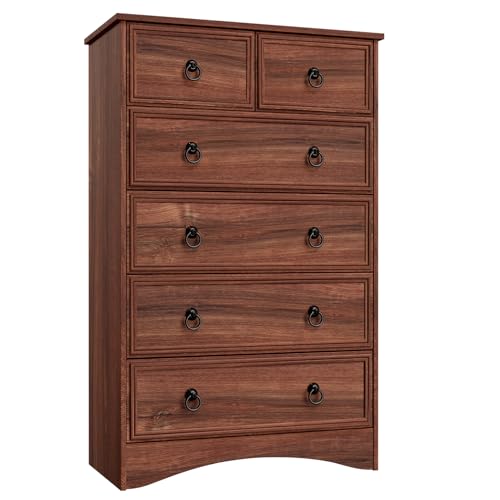
What Makes a Mahogany Chest of Drawers Worth Considering
Mahogany is a dense hardwood with a tight, interlocking grain that resists warping, shrinking, and cracking better than many softer woods. That stability is why furniture makers have used it for centuries in cabinets, chests, and dressers. For a bedroom, a mahogany chest of drawers offers more than visual warmth — it brings structural reliability that holds up to daily opening and closing of drawers.
The wood’s natural color ranges from a medium reddish-brown to a deeper, darker tone as it ages. It takes stain, oil, and lacquer finishes beautifully, which means mahogany works equally well in traditional, transitional, and modern interiors. If your bedroom leans toward classic or heritage styling, mahogany is a natural fit; if your space is more contemporary, a mid-century dresser silhouette in mahogany can bridge old and new.
Solid Mahogany vs Mahogany Veneer
One of the first decisions you’ll face is construction type. Both options can produce beautiful furniture, but they serve different positions in the market.
- Solid mahogany: Thick boards used throughout the drawer fronts, top, and frame. This is typical of high-end tier and luxury furniture. It is heavier, repairs well, and can be refinished multiple times.
- Mahogany veneer: A thin layer of real mahogany applied over a stable engineered core such as plywood or MDF. Veneer allows for consistent grain matching and is common in mid-range and premium pieces. Good veneer construction is durable and resists seasonal movement.
- Printed or faux mahogany finish: A laminate or paper foil that mimics the look. This sits in the entry-level tier and is the most accessible option, though it lacks the repairability of real wood.
If longevity and refinishing potential matter most, solid mahogany is the stronger choice. If you want the mahogany look with a more stable core and a lighter frame, a well-made veneer chest is a balanced option.
Key Features to Evaluate Before You Buy
Drawer Glides and Joinery
The drawer mechanism is where quality shows up first. Entry-level chests often use simple wood-on-wood runners or basic metal slides. Mid-range models typically add side-mounted ball-bearing glides. Premium and high-end tier pieces frequently use soft-close under-mount glides with full-extension travel. For a heavy mahogany drawer, a soft-close dresser mechanism reduces wear and noise. If you want the smoothest operation, look for heavy-duty drawer slides rated for the drawer’s loaded weight.
Joinery matters too. Dovetail joints at the drawer corners are a sign of durable construction; stapled or glued butt joints are more common in starter tier furniture.
Drawer Count and Configuration
A mahogany chest of drawers is available in many layouts. A five-drawer chest is the most common bedroom configuration, balancing capacity with a compact footprint. Taller options such as a 9-drawer chest suit small rooms where vertical space is easier to use than floor space. If you prefer a lower profile, a low dresser with drawers keeps the top surface usable for decor or a mirror.
Finish and Hardware
Mahogany accepts a range of finishes. A clear lacquer or oil finish highlights the natural reddish-brown grain; a darker stain pushes it toward a classic, formal look. Hardware is equally important: brass and gold tones warm up the wood, while black finishes and dark pulls create a sharper contrast. Replacing knobs is one of the easiest ways to update a mahogany chest without refinishing it.
Mahogany Chest of Drawers by Market Tier
To compare options without relying on fleeting market figures, it helps to think in tiers. The table below uses a consistent classification to describe what you can typically expect at each level.
| Tier | Typical Construction | Best For |
|---|---|---|
| Entry-level | Engineered wood with printed mahogany finish; basic metal or wood runners; stapled or simple joinery | Guest rooms, first apartments, and buyers who want the mahogany look with minimal upkeep |
| Mid-range | Mahogany veneer over plywood or MDF; ball-bearing side glides; partial dovetail joints; solid wood top | Primary bedrooms and family homes where durability and consistent grain matter |
| Premium | Solid mahogany fronts and frame; soft-close under-mount glides; full dovetail drawer boxes; hand-finished surfaces | Long-term ownership, refinishing projects, and rooms where the chest is a focal piece |
| Luxury / high-end tier | Solid mahogany throughout; custom joinery; premium hardware; book-matched veneers on select panels | Design-led interiors, heirloom furniture, and buyers prioritizing craftsmanship |
Styles and Placement Ideas
Mahogany’s warmth pairs naturally with traditional decor, but it is versatile enough for modern rooms. A French provincial dresser in mahogany brings carved detailing and a formal feel, while a clean-lined modern dresser lets the grain do the talking. In a smaller bedroom, a tall dresser maximizes storage without taking up much floor area.
If you want to pair the chest with matching bedside storage, a dresser and nightstand set keeps the wood tone and hardware consistent. For rooms where the chest doubles as a display surface, consider a dresser with mirror to add function and visual height.
Care and Maintenance
Mahogany is forgiving, but a few habits extend its life. Dust with a soft, dry cloth weekly. Keep the chest out of direct sunlight to prevent uneven fading. Avoid silicone-based polishes and harsh household cleaners; instead, use a furniture polish appropriate for the finish. Maintain indoor humidity between 40% and 50% to reduce seasonal movement, and tighten hardware periodically. If the finish dulls, a professional refinish can restore depth — a benefit solid mahogany holds over veneer and laminate.
If you are comparing materials before committing, our solid wood vs engineered guide breaks down the trade-offs in more detail.
Frequently Asked Questions
Is mahogany a good wood for a chest of drawers?
Yes. Mahogany is dense, stable, and resistant to warping. It takes a deep finish and holds up well to daily use, making it a strong long-term choice for bedroom storage.
What is the difference between solid mahogany and mahogany veneer?
Solid mahogany uses thick boards throughout, while veneer applies a thin mahogany layer over a stable core. Veneer is common in mid-range and premium furniture and offers consistent grain; solid construction is typical of high-end tier pieces.
How many drawers should a mahogany chest have?
A five-drawer chest suits most bedrooms. Taller nine-drawer models add capacity for compact rooms, while low dressers keep the top surface open for decor or a mirror.
How do I care for a mahogany chest of drawers?
Dust regularly, avoid direct sunlight and harsh cleaners, use a suitable furniture polish a few times a year, and keep indoor humidity stable to prevent cracking.