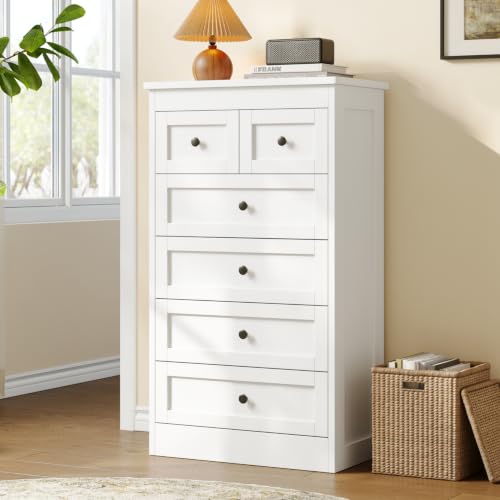
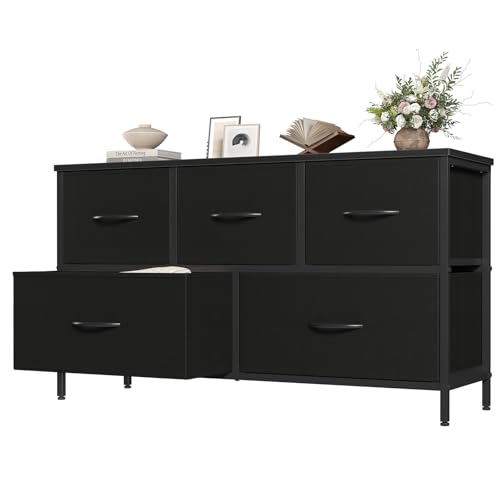
Assembled Bedroom Chest of Drawers: The Complete Buying Guide
Skip the flat-pack frustration. Discover how to choose a pre-assembled bedroom chest that fits your space, holds up to daily use, and looks the part for years.
Jump to Buying ChecklistWhy assembled chests deserve a closer look: A bedroom chest of drawers that arrives fully built removes the most common point of failure in furniture ownership, which is the assembly itself. This guide walks you through build quality, drawer mechanics, sizing, and style so you can decide with confidence rather than guesswork.
What Is an Assembled Bedroom Chest of Drawers?
An assembled bedroom chest of drawers is a storage unit that reaches you ready to use. The manufacturer has already joined the frame, fitted the drawer boxes, mounted the slides, and attached the hardware. In the vast majority of cases, the only tasks left are unpacking, positioning the chest, and loading it.
This category sits apart from flat-pack furniture, which relies on the buyer to square panels and drive fasteners. Because the factory controls the full build, assembled chests can use joinery and reinforcement that are difficult to replicate at home, such as glued dowels, corner blocks, and precisely aligned drawer slides.
It also removes a common source of premature wear. A chest that is slightly out of square during home assembly will often show binding drawers within months. A pre-built unit arrives with the carcass already aligned, which helps drawers glide smoothly from day one.
If your priority is a bedroom-ready piece with no tool time, this is the practical route. If you enjoy customizing or need to move a chest through a tight stairwell in pieces, you may prefer the flexibility of flat-pack. The rest of this guide focuses on what to inspect when the chest arrives pre-built.
Why Choose a Pre-Assembled Chest for Your Bedroom
The appeal of an assembled chest is straightforward, but there are several practical benefits that go beyond convenience.
- Time and effort savings: No sorting hardware bags, reading diagrams, or recruiting a second person for assembly day.
- Consistent build quality: Factory assembly means drawer fronts sit flush and the frame is square before it ever reaches your home.
- Fewer missing-part issues: The most common flat-pack complaint, a missing screw or mislabeled panel, disappears entirely.
- Reliable drawer action: Slides are installed and tested at the factory, so alignment problems are caught before shipping.
- Long-term stability: Properly glued and reinforced joinery tends to stay tight through seasonal humidity changes.
These advantages matter most in a bedroom, where a chest is opened and closed dozens of times each week. A chest that starts smooth and stays smooth is worth prioritizing over one that merely looks good in a product photo.
That said, assembled does not automatically mean premium. An entry-level pre-built chest can still use thin panels and light-duty slides. The section below explains how to separate tiers of quality before you commit.
Build Quality Tiers to Know Before You Buy
Because assembled chests span a wide range of construction methods, it helps to think in tiers rather than individual brands. The descriptors below are universal and describe relative market position, not any specific retailer.
Entry-Level
Particleboard or MDF carcass with a paper or melamine veneer. Side-mounted roller slides. Suitable for guest rooms or light daily use, but expect visible seams and basic hardware.
Mid-Range
Engineered wood core with a real wood veneer or thicker laminate. Ball-bearing slides and reinforced drawer bottoms. A balanced choice for primary bedrooms and shared use.
Premium
Solid wood or high-grade plywood carcass, dovetailed or glued-and-doweled drawer boxes, and soft-close under-mount slides. Built for long-term daily use and heavier loads.
Within each tier, the frame material and drawer slide type are the two factors that most influence how a chest feels and performs. A mid-range chest with solid wood drawer fronts and soft-close slides will often outlast an entry-level chest with a heavier-looking exterior.
One practical shortcut is to check the drawer box itself. Thin, stapled drawer boxes tend to flex and separate over time, while glued and doweled boxes hold their shape. If the drawer box feels rigid with no side-to-side wobble, that is a strong signal of better construction.
Hardware also tells you a lot. Solid metal pulls and knobs with proper mounting screws are a small but meaningful indicator of a manufacturer that does not cut corners on the details.
Drawer Slide Mechanics: What to Look For
Drawer slides are the single most-used moving part on any chest. They determine how the chest feels every day, and they are difficult to upgrade later. Pay attention to the slide type before anything else.
| Slide Type | Typical Tier | Best For | What to Expect |
|---|---|---|---|
| Side-mounted roller slides | Entry-level | Guest rooms, light use | Simple and serviceable, but louder and less smooth under heavy loads |
| Ball-bearing side slides | Mid-range | Primary bedrooms | Smoother travel, higher load rating, and better alignment over time |
| Under-mount soft-close slides | Premium | Daily-use bedrooms | Quiet, self-closing action with hidden hardware and a clean look |
If the chest will sit beside a bed and be opened every morning, soft-close slides are a worthwhile priority. They reduce noise, prevent drawers from slamming, and generally indicate a higher-grade build. For a guest room that is used occasionally, standard ball-bearing slides are perfectly reasonable.
Also check the drawer extension. Full-extension slides let you reach the back of the drawer easily, while three-quarter extension leaves a blind spot where small items get lost. In a bedroom chest, full extension is a meaningful convenience for folded clothing and accessories.
Finally, look at the slide mounting. Slides fixed into reinforced side panels or dedicated mounting blocks are less likely to loosen than those driven into thin, unsupported board.
Sizing an Assembled Chest for Your Bedroom
Sizing is where most bedroom storage decisions succeed or fail. Measure the available floor space, then measure the path the chest must travel to get there. An assembled chest cannot be broken down if it does not fit through a doorway.
As a starting point, a standard bedroom chest is around 30 to 40 inches wide and 30 to 50 inches tall. Tall, narrow chests suit small footprints, while wide chests offer more usable drawer area for folded clothing. Here is how common configurations compare.
| Configuration | Best For | Trade-off |
|---|---|---|
| 5-drawer tall chest | Small bedrooms and single sleepers | Less surface area on top |
| 6- to 9-drawer tall chest | Couples with limited floor space | Taller profile needs wall anchoring |
| 4-drawer wide chest | Shared rooms and folded clothing | Uses more wall width |
| 3-drawer low chest | Under-window placement or TV top | Limited total storage volume |
Also confirm the chest depth against your walking space. A deep chest can crowd a narrow bedroom even when its width fits comfortably. Leave at least 24 inches of clearance in front of the drawers so they can open fully.
If the chest will sit against a wall near a bed, check that the top height works with your mattress height and any nearby nightstand. Visual alignment matters as much as raw dimensions in a small room.
For especially tight rooms, a narrow profile may be the only realistic option. If you are working with limited width, a 24-inch wide cabinet with drawers is worth comparing against a standard-width chest. Tall, space-saving formats are also covered in the 24-inch tall chest of drawers guide.
Materials and Finishes for a Bedroom Chest
The material of an assembled chest affects durability, weight, and how the piece ages. Each option has a clear place depending on the room and the level of use.
Solid wood is the most durable option and can be refinished if the surface is ever damaged. Oak, maple, and mahogany are common choices. Solid wood chests are heavier, which is worth factoring into delivery and placement.
Wood veneer over engineered wood offers a real-wood look with better dimensional stability. Quality veneers are applied in thick sheets and resist peeling when the substrate is well sealed.
Laminate and melamine are the most practical surfaces for children's rooms and high-traffic guest spaces. They wipe clean easily and resist scratching, though they cannot be sanded or refinished.
Finish matters too. A low-sheen or matte finish hides fingerprints better than high gloss, and it tends to look more current in a bedroom setting. Painted finishes should be checked for coverage on the drawer edges and inside the frame, since thin spots there are an early sign of wear.
If you are matching existing furniture, compare the finish in natural light rather than relying on product photos. Whites in particular vary widely between warm and cool tones.
Choosing a Style That Fits Your Bedroom
Style is subjective, but a few guidelines help an assembled chest sit naturally in a bedroom rather than looking like an afterthought.
- Modern and minimalist: Clean lines, handleless or slim bar pulls, and a matte finish. Works well in compact rooms because it does not add visual clutter.
- Mid-century modern: Tapered legs, warm wood tones, and subtle hardware. Pairs easily with a platform bed and simple bedding.
- Farmhouse and cottage: Paneled drawer fronts, painted finishes, and rounded knobs. Suits rooms with softer textures and natural light.
- Traditional: Ornate detailing, heavier profiles, and classic metal pulls. Best in larger rooms where the chest can hold its own visually.
Hardware is the easiest element to coordinate. Matching the pull finish to your bed frame, lamps, or curtain rods creates a cohesive look without requiring a full furniture set. If your bedroom leans warm, brass and bronze tones tend to work better than cool chrome.
Consider whether the chest will be a standalone piece or part of a matching bedroom set. A standalone chest offers more freedom to mix styles, while a set delivers a more uniform look with less decision-making.
Assembled Chest Buying Checklist
Use this checklist before you commit to any pre-assembled bedroom chest. It covers the points that are hardest to fix after delivery.
Verify These Before You Order
- Confirm the chest is genuinely pre-assembled, not flat-pack with a misleading label.
- Measure doorways, stairwell turns, and the final wall space, including clearance for open drawers.
- Check the drawer slide type and whether the drawers are full-extension.
- Inspect the drawer box construction, ideally in person or via detailed photos.
- Confirm the frame material and whether surfaces are solid wood, veneer, or laminate.
- Check the load rating per drawer if you plan to store heavier items like denim or linens.
- Look for anti-tip hardware or a wall-anchoring kit, especially on tall chests.
- Confirm the return policy and delivery method for a heavy, fully built item.
- Match the finish and hardware tone to your existing bedroom furniture.
- Check whether the chest has leveling feet to handle uneven floors.
Common Mistakes to Avoid
Watch Out For These
- Buying before measuring the delivery path. A chest that fits the room may still not fit through the door.
- Assuming every assembled chest is high quality. Entry-level pre-built pieces exist and vary widely.
- Overlooking drawer slide quality in favor of exterior styling.
- Skipping wall anchoring on tall chests, which is a genuine safety issue in bedrooms and children's rooms.
- Choosing a finish that clashes with existing furniture because it was judged from a screen.
- Forgetting to plan for drawer clearance in front of the chest.
Ready to compare options? Browse pre-assembled bedroom chests and check availability for models that match your space and quality tier.
View Recommended ChestsCaring for an Assembled Chest of Drawers
An assembled chest needs very little maintenance, but a few habits extend its life significantly.
- Dust with a soft, dry cloth rather than a wet one to protect veneers and finishes.
- Keep the chest out of direct sunlight to prevent uneven fading, especially on painted finishes.
- Do not overload drawers beyond their rated capacity, as this strains slides and drawer boxes.
- Check and tighten hardware periodically, particularly on high-use drawers.
- Use felt pads under decorative items on the top surface to avoid scratches.
- Re-level the feet if the chest begins to rock after seasonal humidity shifts.
If a drawer starts to stick, first check whether it is overloaded or whether the slide has collected debris. A quick vacuum along the slide track often resolves minor binding before it becomes a repair.
For related storage guidance, the fully assembled chest of drawers overview covers additional models in this category, and the soft-close dresser guide explains how soft-close mechanisms work in practice.
Frequently Asked Questions
What does "assembled bedroom chest of drawers" actually mean?
It means the chest arrives already built, so you do not need to attach legs, panels, or drawer fronts. In most cases the only step is placing it in your room and loading the drawers.
Are pre-assembled chests sturdier than flat-pack models?
Not automatically, but assembled chests often use more robust joinery and reinforced drawer slides because the manufacturer controls the full build. Always check the frame material, joinery type, and drawer weight rating before deciding.
How do I move an assembled chest of drawers upstairs?
Measure doorways and stairwell turns first, empty all drawers, and use two people with furniture straps. Some tall chests can be tilted on their side; check the manufacturer guidelines so you do not stress the frame.
What drawer slide type should I look for?
Side-mounted roller slides are common on entry-level chests, while ball-bearing and soft-close under-mount slides appear on mid-range and premium pieces. Soft-close slides are worth prioritizing in a bedroom where drawers are opened frequently.
How many drawers do I need in a bedroom chest?
A 5-drawer chest suits most single sleepers and couples who split storage. Tall 6- to 9-drawer models work well when floor space is limited, and wide 4-drawer chests are better for folded clothing and shared rooms.
Can I use an assembled chest in a nursery?
Yes, provided it is anchored to the wall and has drawers that close securely. Nursery-specific guidance is available in the small chest of drawers for nursery overview, which covers safety considerations in more detail.
Final Thoughts
An assembled bedroom chest of drawers is a practical upgrade for anyone who values a smooth, well-aligned piece over the flexibility of flat-pack. The key is to look past the label and evaluate build quality, slide mechanics, and fit before you order.
Prioritize full-extension or soft-close slides if the chest will be used daily, verify the delivery path before purchase, and anchor tall models to the wall. With those points handled, a pre-assembled chest can serve as the dependable storage anchor of your bedroom for years.
Once you have narrowed your shortlist, compare the recommended models below and check availability for the configuration that matches your space.