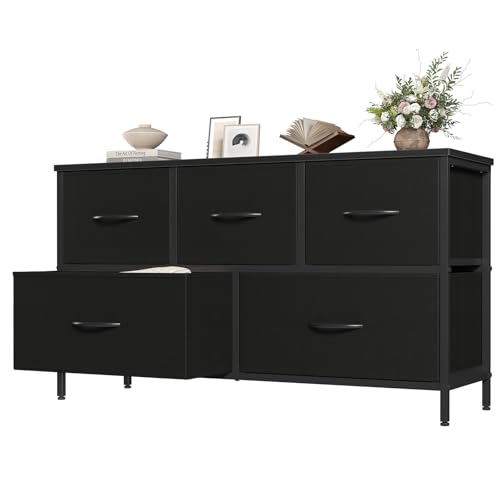
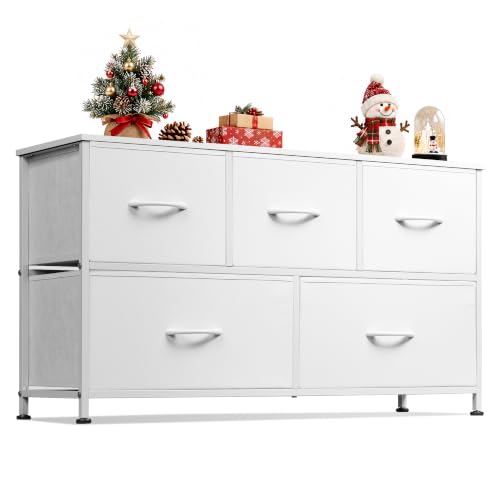
Low Dresser with Drawers: The Complete Guide
Everything you need to know about choosing a wide, low-profile dresser that maximizes storage, complements your bedroom layout, and delivers lasting quality. From size considerations to material selection, our expert guide helps you buy with confidence.
Explore Top PicksWhy a low dresser with drawers deserves your attention: A low dresser offers a rare combination of generous storage capacity and an expansive top surface that doubles as a display area, changing station, or TV stand. Unlike tall chests that dominate vertical space, low dressers create a balanced, open feel in a bedroom while keeping everyday items within easy reach. This guide walks you through every decision point so you can choose the right model for your space, your storage habits, and your long-term needs.
What Exactly Is a Low Dresser with Drawers?
A low dresser with drawers is a horizontally oriented storage piece that is noticeably wider than it is tall. Most models stand between 28 and 36 inches high, with widths ranging from 50 to 72 inches or more. The drawer layout typically spans the full width of the piece, with two to four drawers arranged side by side across each row. This configuration creates a broad, stable footprint and a large top surface that can hold a mirror, decorative items, a lamp, or even a television.
The term "low dresser" is sometimes used interchangeably with "horizontal dresser" or "wide dresser," though subtle differences exist. A 50-inch dresser sits at the narrower end of the spectrum, while a 40 dresser may lean toward a more compact footprint. For rooms where floor space is tight but wall width is available, a low profile design often works better than a tall, narrow chest.
Key Benefits of Choosing a Low Dresser
Expansive Top Surface
The wide top provides ample room for a mirror, jewelry tray, lamp, or decorative display without feeling crowded.
Easy Drawer Access
Drawers sit at a comfortable height, making it simple to reach everyday items without bending or stretching.
Balanced Room Proportions
A low, wide silhouette creates a grounded, open feel in a bedroom and pairs well with most bed heights.
Versatile Placement
Fits neatly under windows or along a long wall, and can serve as a TV stand or changing table surface.
Generous Storage Volume
Side-by-side drawer layouts often provide more usable cubic storage than narrow, tall chests with the same footprint.
Stable and Safe
A lower center of gravity reduces tip-over risk compared to tall chests, especially important in households with children.
Low Dresser vs. Chest of Drawers: What's the Difference?
The distinction between a low dresser and a chest of drawers comes down to orientation and proportion. A chest of drawers is taller than it is wide, with drawers stacked vertically. A low dresser is wider than it is tall, with drawers arranged horizontally. This difference affects not only the visual footprint but also how you use the piece and where it fits in a room.
| Feature | Low Dresser | Chest of Drawers |
|---|---|---|
| Orientation | Wider than tall | Taller than wide |
| Typical Height | 28–36 inches | 40–60 inches |
| Top Surface | Large, usable for display or TV | Smaller, often used for small items |
| Floor Space | Requires more wall width | Requires less wall width |
| Best For | Long walls, under windows, TV placement | Narrow rooms, closets, small corners |
| Safety Profile | Lower center of gravity | Requires anti-tip anchoring |
If you are still weighing the two formats, our guide on 24-inch tall chest of drawers covers the vertical alternative in detail. For most bedrooms with available wall width, however, a low dresser with drawers offers better surface utility and a more balanced aesthetic.
How to Choose the Right Low Dresser for Your Bedroom
1. Measure Your Space Carefully
Start by measuring the width and depth of the wall where the dresser will stand. Account for door swings, closet openings, and walking clearance. A low dresser typically needs at least 18 to 20 inches of depth, plus a few inches of breathing room. If you have a 24-inch wide cabinet with drawers, that gives you a sense of how compact storage can be when space is limited, but a true low dresser will be significantly wider.
2. Decide on Drawer Count and Configuration
Low dressers commonly feature six, eight, or nine drawers, often with a mix of wide and narrow drawers. A 9 drawer layout provides excellent organization for clothing, linens, and accessories. Consider how you fold and store your items: wide drawers suit folded shirts and sweaters, while narrower drawers work well for socks, undergarments, and small accessories.
3. Choose Your Material Wisely
Solid wood remains the benchmark for durability. Oak, maple, and walnut are common choices for premium and luxury tiers, while pine offers a softer, more rustic character. Engineered wood with quality veneers is common in entry-level and mid-range models. If you prefer a natural grain look, a solid oak dresser with mirror demonstrates how a classic material can anchor a room's design.
4. Consider Drawer Glides and Hardware
Drawer glide quality directly affects daily usability. Entry-level models often use basic side-mounted glides, while mid-range and premium tiers increasingly feature soft-close mechanisms and under-mount slides. A soft close dresser eliminates slamming and reduces wear over time. For heavy-duty needs, 20-inch heavy-duty drawer slides and 72-inch heavy-duty drawer slides show how glide length and load rating vary by application.
5. Match the Style to Your Room
Low dressers come in every design language. A mid-century modern horizontal dresser brings clean lines and tapered legs, while a rustic brown dresser adds warmth and texture. For a more polished look, a black lacquer dresser offers a sleek, reflective finish. Choose a style that complements your existing furniture rather than competing with it.
Size Guide: Finding the Right Low Dresser Dimensions
Low dressers vary widely in width, and choosing the right size depends on your wall space and storage needs. Here is a general framework:
| Width Range | Best For | Typical Drawer Count |
|---|---|---|
| 40–50 inches | Small bedrooms, guest rooms, apartments | 4–6 drawers |
| 50–60 inches | Standard bedrooms, couples sharing storage | 6–8 drawers |
| 60–72 inches | Primary bedrooms, large wall spaces | 8–10 drawers |
| 72+ inches | Large bedrooms, luxury suites, shared dressing areas | 9–12 drawers |
For a compact option, a 40 dresser fits well in tighter spaces. If you have more room, a 50 inch dresser offers a balanced middle ground. And for a statement piece in a spacious bedroom, a 72-inch heavy-duty drawer slides specification often accompanies full-width dressers built for serious storage.
Material and Finish Options for Low Dressers
The material you choose affects durability, maintenance, and visual character. Here is how the most common options compare:
Solid Oak
Dense, durable, and naturally resistant to wear. A classic choice for high-end and luxury tiers.
Maple
Fine grain and light color make it versatile. A maple dresser suits both modern and traditional rooms.
Pine
Softer wood with rustic appeal. A 3 drawer pine chest of drawers shows the material's natural character.
Engineered Wood
Common in entry-level and mid-range models. Quality veneers can mimic solid wood convincingly.
Painted Finishes
A light blue dresser or emerald green dresser adds personality and works well in styled rooms.
Natural Wood Tones
A brown wood dresser or chestnut dresser brings warmth and timeless appeal.
Organization Tips for Your Low Dresser
A low dresser with drawers offers excellent organizational potential because its wide drawers can be divided into dedicated zones. Here are practical strategies:
- Use drawer dividers to separate folded shirts, socks, and accessories within wide drawers.
- Assign the top row to frequently used items and the bottom row to seasonal or bulky clothing.
- Keep the top surface intentional: a mirror, a small tray, and one or two decorative pieces are usually enough.
- Rotate seasonal clothing so that current-season items occupy the most accessible drawers.
- Add felt liners to protect drawer bottoms and reduce noise.
- Use shallow drawers for jewelry and accessories, and deeper drawers for sweaters and linens.
For a deeper dive into drawer organization, our guide on dressers with deep drawers explains how drawer depth affects storage strategy.
Safety Considerations for Low Dressers
Although low dressers have a lower center of gravity than tall chests, tip-over safety remains important. Always anchor your dresser to the wall using the provided anti-tip kit, especially in homes with children or pets. Avoid overloading top drawers, and ensure that the dresser sits level on the floor. A heavy-duty dresser built with solid joinery and reinforced drawer boxes offers greater stability and long-term durability.
Style Inspiration: Where a Low Dresser Works Best
A low dresser with drawers adapts to a variety of design contexts. In a mid-century dresser style, the low profile pairs naturally with tapered legs and clean lines. In a cottage dresser setting, a painted or distressed finish adds charm. For a more formal room, an ornate dresser with decorative hardware creates a focal point. And for a contemporary bedroom, a fluted dresser brings texture and visual interest to the wide front.
If you are furnishing a full bedroom, a 5 drawer dresser and nightstand set or a bedroom set dresser and two nightstands can simplify the process by coordinating styles and finishes. A 3 piece dresser set is another option for a cohesive look.
Frequently Asked Questions
What is a low dresser with drawers?
A low dresser with drawers is a wide, horizontally oriented storage piece typically standing between 28 and 36 inches tall. It features multiple drawers arranged side by side, offering generous storage capacity while keeping the top surface at a comfortable height for everyday use.
How tall should a low dresser be?
Most low dressers range from 28 to 36 inches in height. This height allows you to use the top as a functional surface while still providing ample drawer storage below. The ideal height depends on your room layout and how you plan to use the dresser top.
Is a low dresser good for small bedrooms?
Yes, a low dresser can work well in small bedrooms because its wide, horizontal profile fits neatly under windows and along walls without blocking sightlines. However, it requires more floor width, so measure your available wall space carefully before choosing one.
What is the difference between a low dresser and a chest of drawers?
A low dresser is wider than it is tall, with drawers arranged side by side across a broad front. A chest of drawers is taller than it is wide, with drawers stacked vertically. Low dressers offer more top surface area, while chests save floor space in narrow rooms.
What materials are best for a low dresser with drawers?
Solid wood options such as oak, maple, and walnut offer the best durability and long-term performance. Engineered wood with quality veneers provides a more accessible entry point. Mid-range and premium models typically use solid wood drawer fronts and reinforced joinery for smoother operation and longer life.