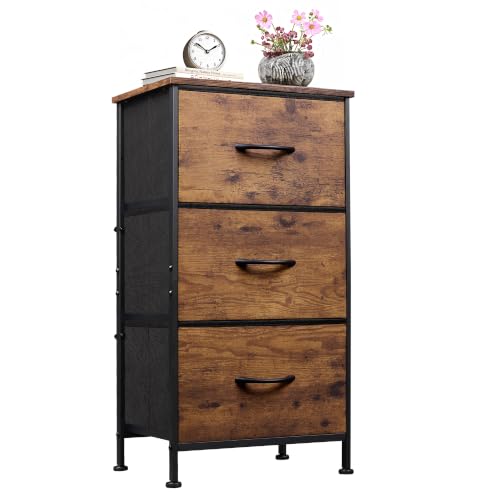
Side Dresser Guide: space-saving storage with style
Discover the ideal side dresser for narrow spaces, bedrooms, hallways, or living areas. Compare dimensions, styles, and find the best fit for your home.
A side dresser (or console dresser) is a versatile piece that fits beautifully in narrow hallways, beside a bed, or against a wall. Unlike bulky chests, side dressers offer a slim profile while providing generous storage. Whether you need a tall narrow dresser for small spaces or a low profile for a closet, this guide covers everything from dimensions to materials.
What makes a great side dresser?
📐 Smart dimensions
Most side dressers are 20–32 inches wide and 30–50 inches tall. The shallow depth (14–18 inches) makes them ideal for corridors and tight bedrooms.
🗄️ Storage capacity
Typically 3 to 6 drawers. Some models include a cabinet or open shelf for extra versatility. Perfect for clothes, linens, or everyday essentials.
🎨 Style variety
From shaker style and mid-century modern to rustic farmhouse and industrial. Side dressers come in wood, metal, and mixed materials.
🚪 Placement flexibility
Use as a bedside table, hallway accent, entryway organizer, or even as a buffet dresser in a dining room. It adapts to your space.
Typical side dresser dimensions
| Width | Depth | Height | Drawers | Best for |
|---|---|---|---|---|
| 20–24″ | 14–16″ | 30–36″ | 3–4 | Narrow halls, small bedrooms |
| 24–28″ | 16–18″ | 36–42″ | 4–5 | Bedside, apartment living |
| 28–32″ | 18″ | 42–50″ | 5–6 | Entryway, living room, spacious corridors |
* Always measure your space before buying. Consider clearance for drawer opening.
How to choose the right side dresser
- 1. Measure twice: Width, depth, and height are critical. A 28-inch wide dresser fits most hallways, but a 32-inch wide offers more storage.
- 2. Match your style: For a modern look, consider a white horizontal dresser. For rustic charm, a farmhouse dresser and nightstand set works beautifully.
- 3. Drawer depth matters: Deep drawers (16″+) are great for bulky sweaters; shallower ones for accessories. Look for heavy-duty drawers with smooth glides.
- 4. Material & finish: Solid wood lasts longer, but engineered wood can be budget-friendly. A white vertical dresser brightens a room, while dark finishes add drama.
- 5. Extra features: Some side dressers include a jewelry tray, felt-lined drawers, or a dresser with jewelry storage. Consider your daily needs.
Where to place a side dresser
A side dresser is incredibly versatile. Here are the most popular placements:
- 🛏️ Next to the bed (as a nightstand)
- 🚪 Hallway or entryway
- 🛋️ Behind a sofa or against a wall
- 👗 Inside a walk-in closet
- 🍽️ As a buffet or serving console
- 🧸 Nursery or kid’s room
Materials & construction tips
The durability of a side dresser depends on its construction. Solid wood options like pine dressers for sale are affordable and lightweight. Oak and walnut offer superior strength and a premium feel. For a modern twist, wood and metal dressers combine industrial charm with warmth. Always check the drawer slides: soft-close, full-extension slides are a sign of quality. If you're on a budget, a dresser under $200 can still offer decent durability with proper care.
💡 Pro tip: maximize storage
Use drawer dividers and organizers to keep small items tidy. A simple dresser can become a highly efficient storage unit with the right inserts. If space is extremely tight, consider a tall closet dresser that offers vertical storage without taking up much floor area.
Frequently asked questions
What is the difference between a side dresser and a chest of drawers?
A side dresser is typically narrower and shallower, designed for tight spaces or as an accent piece. A chest of drawers is usually wider and deeper, offering more storage but requiring more floor space.
Can a side dresser be used in a living room?
Absolutely. Many people use side dressers as media consoles, sofa tables, or display units. A console dresser is a popular choice for living rooms.
What is the best width for a side dresser?
The best width depends on your space. For hallways, 20–28 inches is ideal. For bedrooms, 28–32 inches offers more storage. Always measure your available wall space.
Ready to find your side dresser?
Browse our curated selection of side dressers, from compact models to statement pieces. Every product is vetted for quality and value.
Shop side dressers