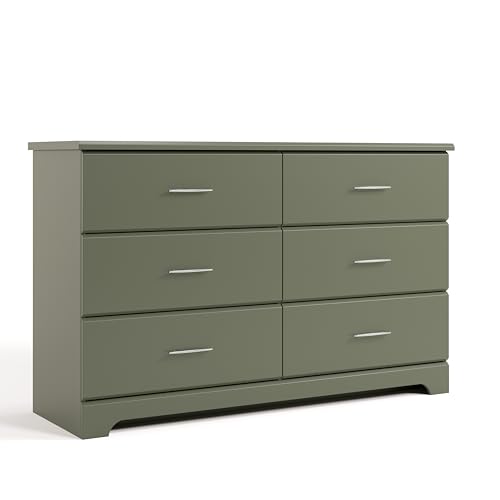
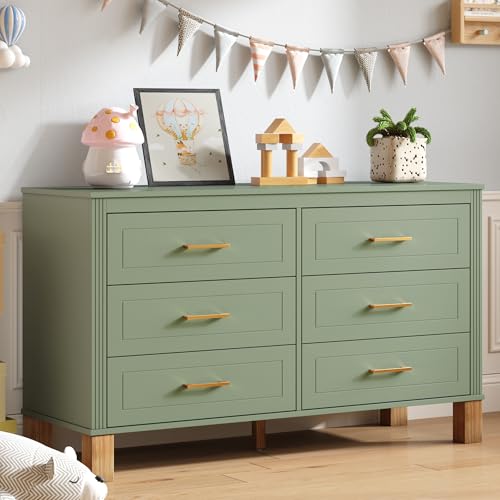
Sage Green Dresser: The Complete Buying Guide
Everything you need to know about choosing a sage green dresser — from style and material options to drawer configuration, nursery safety, and expert styling tips for this soothing, nature-inspired color.
Start ExploringWhy a Sage Green Dresser Deserves Your Attention
Sage green has become one of the most requested finishes in bedroom furniture for good reason. It sits in that rare sweet spot between neutral and expressive — muted enough to pair with almost any wall color, yet distinctive enough to feel like a deliberate design choice. If you are researching a sage green dresser, you likely already know this is the look you want. What you probably still need is help narrowing down construction quality, drawer layout, size, and how the finish holds up over time.
This guide is built for that exact stage of the buying journey. We will walk through the different styles of sage dressers, compare materials and tier positioning, explain what drawer configurations work for different rooms, and cover the safety questions that matter most if the piece is headed to a nursery. By the end, you should have a clear shortlist of features to look for and a confident sense of which options make sense for your space.
Types of Sage Green Dressers
The same color can look dramatically different depending on the silhouette and detailing of the piece. Here are the main categories you will encounter during your research.
Modern and Minimalist Sage Dressers
Clean lines, slab fronts, and recessed or handleless drawer pulls define this category. A modern sage dresser works especially well in contemporary bedrooms where the furniture is meant to recede slightly and let the color do the talking. If you prefer a streamlined look, pair this style with neutral bedding and warm wood accents to keep the room from feeling cold.
Mid-Century and Retro Sage Dressers
Tapered legs, angled drawer fronts, and sculpted handles are hallmarks of mid-century inspired pieces. A retro dresser in sage green brings a nostalgic warmth without veering into kitsch. These designs often use walnut or teak-toned interiors, which contrast beautifully with the cool green exterior.
Rustic and Farmhouse Sage Dressers
Distressed edges, beadboard panels, and cup pulls give sage green a cozier, more lived-in feel. A rustic dresser in sage green is a strong candidate for country-style or coastal bedrooms, especially when the finish is intentionally uneven to highlight the grain. If you are drawn to weathered textures, look for pieces with a visible wood grain under the paint rather than a fully opaque coat.
Scandinavian Sage Dressers
Light wood legs, whitewashed interiors, and simple round knobs define the Scandinavian approach. A Scandinavian dresser in sage green is an excellent choice for smaller bedrooms because the light palette keeps the piece from feeling visually heavy. These designs often prioritize clean storage over ornamentation.
Nursery and Kids Sage Dressers
Sage green is one of the most popular nursery colors because it is calming and gender-neutral. A sage green dresser for nursery use should always include anti-tip hardware, rounded edges, and drawer stops. If the dresser will double as a changing station, confirm that the top surface is deep enough and that a changing pad can be securely attached.
Materials and Finish Quality: What to Look For
Sage green is a painted or stained finish, so the substrate underneath matters more than the color itself. The finish will only look as good as the surface it sits on, and the longevity of the paint depends heavily on preparation and topcoat quality.
Solid Wood vs. Engineered Wood
Solid wood dressers — particularly oak, maple, and pine — take paint beautifully and can be sanded and refinished decades later. Engineered wood (MDF or particleboard with veneer) offers a smoother, more uniform paint surface and is common in mid-tier and entry-level pieces. The trade-off is that engineered wood cannot be stripped and refinished the same way solid wood can. If you want a piece you can repaint in a different color years from now, solid wood is the safer base. For more on refinishing, see our guide to sanding and repainting furniture.
Paint and Topcoat Considerations
A quality sage green finish should have a consistent, even coat with no visible brush marks or thin patches near edges. Satin and matte topcoats hide minor surface imperfections better than high-gloss, and they tend to age more gracefully on painted furniture. If the piece will sit in direct sunlight, ask whether the finish includes UV protection — green pigments can fade or shift over time in strong light.
Hardware Finish Pairings
Sage green is unusually flexible with hardware. Brushed brass and antique gold warm up the cool tone and create a classic contrast. Matte black feels more modern and graphic. Nickel and pewter keep the look quiet and coastal. Wooden knobs soften the piece for farmhouse or nursery settings. If you plan to swap hardware later, check that the drawer pull spacing is a standard size so replacements are easy to source.
Understanding Tier Positioning in Sage Dressers
Because sage green is a popular finish, it appears across the full range of the market. The table below outlines what you can generally expect at each tier so you can calibrate your expectations before you start comparing specific models.
Entry-Level Tier
Engineered wood construction, basic drawer glides, and a factory-applied finish. Suitable for guest rooms, first apartments, or short-term styling. Expect simpler joinery and lighter overall weight.
Mid-Range Tier
Better drawer hardware, thicker panels, and more careful paint preparation. Often the sweet spot for a primary bedroom where the piece will be used daily. Look for metal drawer runners and dovetail or reinforced joints.
Premium Tier
Solid wood or high-grade engineered cores, soft-close glides, and hand-finished paint with a durable topcoat. These pieces are built to be refinished and passed on. Hardware is typically solid metal rather than plated.
Luxury Tier
Heirloom construction, custom color matching, and detailed finishing inside and out. Drawer interiors may be lined or cedar-finished. These are long-term investments intended for a specific room design.
A useful rule of thumb: a mid-range sage dresser usually offers noticeably smoother drawer action and better paint durability than an entry-level piece, while the jump from mid-range to premium is most visible in the joinery and the quality of the topcoat. If the dresser will be opened and closed multiple times a day, prioritize drawer hardware quality over decorative detailing.
Drawer Configuration and Size Guide
Sage green dressers come in a wide range of footprints, and matching the configuration to your storage habits matters more than the color. Here is how the common options compare.
| Configuration | Best For | Considerations |
|---|---|---|
| 3-drawer dresser | Small bedrooms, guest rooms, entryway storage | Limited volume; better for folded tops and accessories than bulky items |
| 4-drawer dresser | Couples sharing a smaller room | Often split between two small and two deep drawers for flexibility |
| 6-drawer dresser | Primary bedrooms, shared closets | Balanced capacity without a wide footprint |
| Wide dresser | Long walls, rooms with low windows | Keeps sightlines low; good for doubling as a console |
| Tall dresser | Narrow rooms, tight floor space | Requires anchoring; check drawer reach at the top level |
| Sliding drawers | Bedrooms with limited clearance in front | Runs on tracks rather than glides; check alignment quality |
If the room is tight, a shallow dresser can make the difference between a piece that fits comfortably and one that crowds the walkway. Measure the depth of the room and leave at least 30 inches of clearance in front of the drawers so they can open fully. For very small bedrooms, our guide to small bedroom dresser ideas covers placement strategies in more detail.
Sage Green Dressers for Small Spaces
Sage green is particularly effective in small rooms because the muted tone does not dominate the visual field. A skinny dresser or slim dresser in sage green can add color and storage without making the room feel compressed. Pair it with a mirror above to bounce light and visually open up the space.
Styling a Sage Green Dresser in Your Room
Sage green behaves like a neutral with a point of view. It pairs beautifully with warm woods, cream and off-white walls, and natural textures like linen and rattan. Here are practical ways to integrate it.
Color Pairings That Work
- Warm white and cream: Keeps the room light and lets the green read clearly.
- Blush and terracotta: Creates a soft complementary contrast for a warmer, more romantic feel.
- Navy and charcoal: Adds depth and a slightly more tailored, masculine edge.
- Natural wood tones: Oak, walnut, and rattan all sit comfortably next to sage green.
- Brass and gold accents: Warm up the cool tone without competing with it.
Dresser Top Styling
Because sage green is a strong enough color on its own, keep dresser-top decor restrained. A single lamp, a small tray for everyday items, and one or two objects with texture are usually enough. If you want to add height, a shelf for on top of the dresser can create layered storage without cluttering the surface. For more ideas, see our collection of dresser top decor inspiration.
Matching the Rest of the Bedroom
Sage green pairs well with a range of companion pieces. A dresser and nightstand set in the same finish creates a cohesive look, while mixing a sage dresser with a natural wood nightstand creates a more collected, layered feel. If you are building the room from scratch, decide early whether the dresser is the statement piece or a supporting element — that decision will guide every other finish choice.
Safety Considerations, Especially for Nurseries
Any dresser taller than it is wide should be anchored to the wall, regardless of the room. This is non-negotiable in a nursery or a child's bedroom. Before purchasing, confirm that the piece includes or is compatible with an anti-tip strap, and check that the drawer stops prevent drawers from being pulled completely out.
For nursery use, also consider:
- Rounded edges and corners to reduce impact injuries.
- Non-toxic finishes — ask about low-VOC or water-based paints, especially for pieces in small, poorly ventilated rooms.
- Drawer glide smoothness so drawers close fully and do not leave gaps where small fingers could be caught.
- Changing pad security if the top will be used as a changing surface.
If you plan to use the dresser as a changing station, our guide to rubber changing pads for dressers explains how to choose a pad that stays in place and is easy to clean.
Buying Checklist: What to Confirm Before You Commit
Use this checklist as a final filter once you have narrowed your options to two or three specific models.
- Measure the room and the path: Confirm the dresser fits the intended wall and can be carried through doorways and stairwells.
- Check drawer depth and height: Deep drawers suit bulky clothing; shallow drawers suit accessories and folded tops.
- Inspect the finish description: Look for satin or matte topcoats with UV protection for sunlit rooms.
- Confirm hardware quality: Metal glides with soft-close are a meaningful upgrade over basic plastic runners.
- Verify anchoring hardware is included: Especially for tall dressers and any nursery use.
- Ask about the return policy and assembly requirements: Painted furniture can be damaged in transit, so understand what happens if the finish arrives flawed.
- Check drawer interior finish: Smooth, sealed interiors are easier to clean and protect clothing from splinters.
Frequently Asked Questions
Does sage green furniture go with everything?
Not everything, but it pairs with a wider range of colors than most people expect. Warm whites, cream, navy, blush, terracotta, and natural wood tones all work well. The main colors to approach with care are saturated yellows and bright oranges, which can clash with the muted green.
Is a sage green dresser suitable for a nursery?
Yes, and it is one of the most popular nursery colors because it is calming and gender-neutral. The key requirements are the same as any nursery furniture: anti-tip anchoring, rounded edges, drawer stops, and a low-VOC or water-based finish where possible.
Can a sage green dresser be repainted later?
Solid wood pieces can be sanded and repainted in a new color. Engineered wood with a veneer can sometimes be repainted, but the preparation is more delicate and the result may not be as clean. If you want the option to change the color in the future, prioritize solid wood construction.
What hardware looks best on a sage green dresser?
Brushed brass and antique gold are the classic pairings, creating a warm contrast. Matte black feels more modern and graphic. Nickel and pewter keep the look quiet and coastal. Wooden knobs work well for farmhouse and nursery settings.
How do I keep the sage finish looking new?
Dust regularly with a soft cloth, avoid abrasive cleaners, and keep the piece out of direct sunlight where possible. If the topcoat is satin or matte, wipe spills promptly — matte finishes can absorb moisture if left standing. For deeper cleaning, use a damp cloth with a small amount of mild soap and dry immediately.
Are sage green dressers available in small sizes?
Yes. The finish appears across the full size range, from small three-drawer pieces up to wide six-drawer and nine-drawer models. For compact rooms, look for shallow depth and narrow width options, and measure your walkway clearance before committing.
Final Thoughts
A sage green dresser is a confident but livable choice — a piece that adds character to a bedroom without overwhelming it. The finish is widely available, which means the real decision comes down to construction quality, drawer configuration, and how the piece will function in your specific room. Use the checklist above to filter your shortlist, prioritize drawer hardware if the dresser will see daily use, and always anchor tall pieces to the wall.
If you are still exploring color and style options, our broader guide to sage dressers covers related finishes and layout ideas. And if you are comparing this piece against other popular finishes, the retro dresser and Scandinavian dresser guides offer useful context on how sage green fits into different design languages.