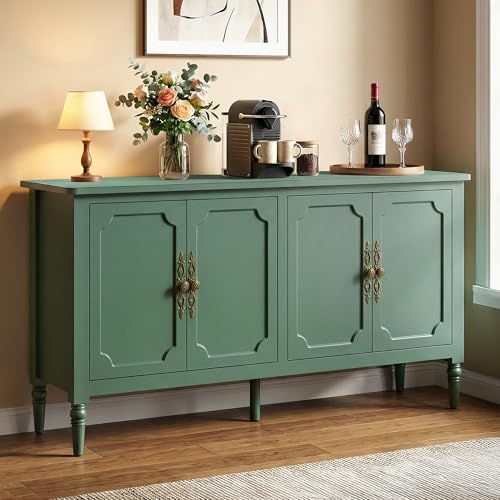
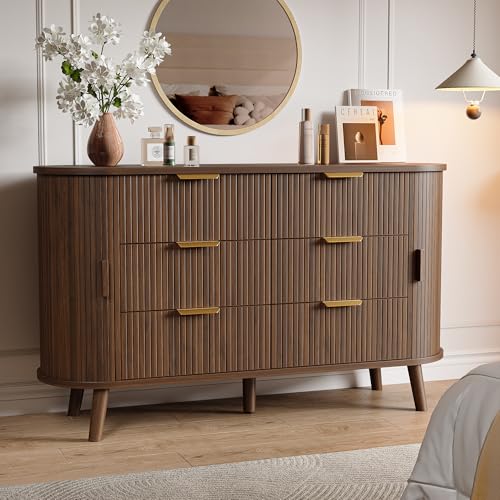
Sideboard Dresser: The Complete Guide to Versatile Storage
Discover how a sideboard dresser combines elegant display space with practical drawer storage — perfect for dining rooms, living areas, entryways, and bedrooms. Learn types, materials, sizing, and expert buying tips.
START EXPLORINGWhat Is a Sideboard Dresser?
A sideboard dresser is a hybrid furniture piece that merges the functionality of a traditional dresser with the serving and display capabilities of a sideboard. Typically low and wide, it features a combination of drawers and cabinet doors — sometimes with open shelving — giving you flexible storage options for clothing, linens, tableware, media accessories, or general household items.
Unlike a standard tall dresser designed primarily for bedroom clothing storage, a sideboard dresser is built to be a multi-purpose anchor piece. Its broad top surface works as a serving station in a dining room, a display area in a living room, or a landing spot in an entryway. The drawer-and-cabinet configuration lets you separate items by category, keeping everyday essentials accessible while hiding bulkier or less-used items behind doors.
Why it matters: If you need clothing storage but want a piece that works beyond the bedroom — or if you need dining room storage that can double as a dresser — a sideboard dresser delivers both without the visual weight of a full-height dresser or the limited utility of a pure display sideboard.
Key Characteristics
- Low profile: Usually 30–36 inches tall, keeping sightlines open and making the top surface easy to reach.
- Wide footprint: Typically 48–72 inches wide, providing substantial storage without vertical bulk.
- Mixed storage: Combines drawers (for clothing, linens, or small items) with cabinets (for larger or display-worthy pieces).
- Dual-purpose top: Flat, sturdy surface suitable for serving, display, or decor vignettes.
- Elevated base: Often raised on legs or a plinth, making the piece feel lighter and easier to clean under.
Sideboard Dresser vs. Dresser vs. Buffet: What's the Difference?
Furniture terminology can be confusing, especially when pieces overlap in form and function. Here's how a sideboard dresser compares to related furniture types:
| Feature | Sideboard Dresser | Standard Dresser | Buffet / Sideboard |
|---|---|---|---|
| Primary Purpose | Dual: clothing + serving/display | Clothing storage | Serving & dining storage |
| Typical Height | 30–36 inches | 30–50 inches | 30–36 inches |
| Storage Mix | Drawers + cabinets | Mostly drawers | Mostly cabinets + some drawers |
| Best Placement | Bedroom, dining, living, entry | Bedroom, closet | Dining room, living room |
| Top Surface Use | Display, serving, decor | Display, mirror, decor | Serving, display |
If you're still weighing options, our guide on dresser vs. chest of drawers explains another common comparison. For those considering a more traditional storage piece, explore side dresser options that prioritize drawer space.
Types of Sideboard Dressers
Sideboard dressers come in several configurations, each suited to different rooms and storage needs. Here are the most common types:
1. Drawer-Dominant Sideboard Dresser
This style features mostly drawers with perhaps one or two cabinet sections. It's the closest to a traditional dresser and works well in bedrooms or closets where clothing storage is the priority. The wide, low format gives you more usable drawer width than a tall dresser, making it easier to organize folded items in a single layer.
For smaller bedrooms, a short wide dresser offers similar benefits in a more compact footprint.
2. Cabinet-Dominant Sideboard Dresser
With more cabinet space than drawers, this type suits dining rooms and living areas where you need to store larger items — tableware, linens, board games, or media equipment. Adjustable shelves inside the cabinets add flexibility. A few drawers at the top keep smaller items organized and accessible.
3. Open-Shelf Sideboard Dresser
Combining drawers, cabinets, and open shelving, this design offers display space for books, baskets, or decorative objects. It's a popular choice for living rooms and entryways where visual interest matters as much as storage capacity.
4. Media Sideboard Dresser
Designed with cable management and ventilation in mind, media sideboard dressers support TVs and audio equipment while providing drawer storage for remotes, cables, and accessories. They're a stylish alternative to dedicated TV stands.
5. Entryway Sideboard Dresser
Compact versions with a mix of drawers and cabinets work well in entryways for shoes, bags, keys, and mail. Look for models with a lower height that keeps the top surface usable for dropping items when you walk in.
6. Dining Room Sideboard Dresser
Wider models (60–72 inches) with a generous top surface and a combination of drawers and cabinets serve as a buffet station during meals and a storage hub for dining essentials the rest of the time.
Materials & Finishes: What to Look For
The material of your sideboard dresser affects durability, appearance, and maintenance requirements. Here's a breakdown of common options:
Solid Wood
Oak, walnut, mahogany, and pine are popular choices for sideboard dressers. Solid wood offers durability, repairability, and a natural grain pattern that adds warmth to a room. Oak is hard and resistant to wear, making it a practical choice for high-traffic areas. Walnut brings a darker, more formal look. Pine is softer and may show dents more easily but offers a relaxed, rustic character.
If you're drawn to natural grain, explore rustic wood dresser styles that celebrate knots and texture.
Engineered Wood with Veneer
MDF or particleboard cores with wood veneer or laminate finishes offer a more consistent appearance at a mid-range tier. Quality veneers can closely mimic solid wood, while laminate finishes resist scratches and moisture well. Check the edge banding — poorly finished edges are a sign of lower manufacturing quality.
Metal
Steel and aluminum sideboard dressers suit industrial and modern interiors. They're durable, easy to clean, and resistant to pests and moisture. Metal designs often feature mesh or perforated panels for ventilation, making them suitable for media storage.
Mixed Materials
Combinations of wood and metal, rattan and wood, or glass and metal create visual interest and suit eclectic or transitional interiors. These designs often use metal frames for structural support and wood or woven panels for the drawer fronts and cabinet doors.
Finishes & Hardware
Paint, stain, and lacquer finishes each have different maintenance needs. Painted finishes can chip; stained wood may need periodic oiling; lacquered surfaces resist moisture but can show scratches. Hardware — knobs, pulls, and hinges — should feel solid and operate smoothly. Soft-close hinges and drawer slides are a mark of higher-tier construction.
Sizing & Placement Guide
Getting the size right is critical for both function and visual balance. Here's how to plan your sideboard dresser placement:
Width
Sideboard dressers typically range from 48 to 72 inches in width. As a rule of thumb, the piece should be about two-thirds the width of the wall or furniture arrangement it anchors. In a dining room, a sideboard dresser should be wider than the dining table if possible, or at least match it in visual weight.
Height
Most sideboard dressers stand 30–36 inches tall. This height keeps the top surface comfortable for serving and display while providing ample storage below. If you plan to use the top as a workspace or serving station, aim for 32–36 inches. For entryway use, a lower height (28–32 inches) keeps the top accessible.
Depth
Standard depths range from 16 to 20 inches. Shallower depths (14–16 inches) work well in narrow hallways or entryways, while deeper models (18–20 inches) provide more storage capacity and a sturdier top surface. Ensure at least 36 inches of clearance in front of the piece for comfortable drawer and door access.
Placement Tips
- Dining room: Place along a wall opposite the table or as a focal point between windows. Leave space on either side for chairs to pull out.
- Living room: Anchor a media setup or use as a console behind a sofa. Cable management is easier if you choose a model with pre-drilled openings.
- Entryway: Position near the door with a tray or bowl on top for keys and mail. Choose a model with a lower height for easy access.
- Bedroom: Place opposite the bed or along a wall where it won't block traffic flow. A sideboard dresser can replace a traditional dresser while doubling as a display surface.
Pro tip: Before buying, mark the footprint on your floor with painter's tape. This helps you visualize how the piece will fit and whether it leaves enough room for doors, drawers, and walkways.
Storage Layout & Organization
The storage configuration of a sideboard dresser determines how well it works for your specific needs. Here's how to think about the layout:
Drawer Depth & Height
Shallow drawers (4–6 inches deep) are ideal for folded clothing, linens, and cutlery. Deeper drawers (7–10 inches) work for bulkier items like sweaters, table linens, or serving pieces. A mix of shallow and deep drawers gives you flexibility.
Cabinet Configuration
Cabinets with adjustable shelves let you customize the interior height for tall items like bottles, vases, or stacks of plates. Doors may be solid, glass-paneled, or slatted. Solid doors hide clutter; glass doors display collections; slatted doors offer ventilation.
Interior Organization
Drawer dividers keep small items from sliding around, while shelf risers in cabinets maximize vertical space. For clothing storage, explore our dresser organization guide for drawer layout strategies. If you're storing jewelry or accessories, dedicated organizers can make a sideboard dresser function as a complete dressing station.
Dual-Purpose Storage Ideas
- Store table linens in the drawers and serving platters in the cabinets — the top becomes your buffet station.
- Use drawers for clothing and cabinets for shoes, bags, or out-of-season items in a bedroom.
- Dedicate one side to media equipment (with ventilation) and the other to general storage in a living room.
- Keep entryway essentials in the top drawer and bulky items like umbrellas or shopping bags in the cabinet below.
Style & Decor Integration
A sideboard dresser is a visual anchor, so its style should complement the room's existing design language. Here are popular styles and how to work with them:
Modern & Minimalist
Clean lines, slab drawer fronts, and a neutral palette define modern sideboard dressers. Look for models with integrated or handleless pulls and slim legs. A modern dresser aesthetic keeps the piece feeling light and uncluttered.
Mid-Century Modern
Tapered legs, warm wood tones, and geometric drawer pulls are hallmarks of mid-century design. These pieces work well in living rooms and bedrooms with retro or contemporary decor. Explore retro dresser options for authentic mid-century character.
Rustic & Farmhouse
Reclaimed wood, distressed finishes, and simple hardware give rustic sideboard dressers a relaxed, lived-in feel. They suit farmhouse, cottage, and coastal interiors. If you prefer a softer palette, a rustic white dresser brightens the room while keeping the textured charm.
Scandinavian
Light woods, functional design, and understated details define Scandinavian sideboard dressers. They often feature rounded edges, woven or leather pulls, and a natural finish that works in airy, bright rooms. Browse Scandinavian dresser styles for inspiration.
Industrial
Metal frames, exposed hardware, and distressed wood surfaces give industrial sideboard dressers a raw, utilitarian edge. They work well in lofts, studios, and open-plan spaces.
Traditional & Ornate
Detailed molding, carved legs, and antique-inspired hardware define traditional sideboard dressers. These pieces suit formal dining rooms and classic interiors. A vintage dresser or antique find can bring authentic character.
Styling the Top Surface
The top of a sideboard dresser is prime real estate. A few well-chosen items — a lamp, a framed print, a vase, a tray for keys or remotes — create a polished vignette without clutter. For more ideas, see our dresser top decor guide.
Quality Tiers & What to Look For
Sideboard dressers span a wide range of construction quality. Use these tier descriptors to set expectations and evaluate options without relying on numeric comparisons.
Entry-Level Tier
Entry-level sideboard dressers typically use engineered wood with laminate or paper veneer finishes. Drawers may run on basic metal slides without soft-close features. These pieces are functional and can work well in low-traffic areas or as temporary solutions. Check for sturdy back panels and well-fitted joints — even entry-level pieces should feel solid when assembled.
Mid-Range Tier
Mid-range models often combine engineered wood cores with quality wood veneers or solid wood fronts. Drawers typically feature ball-bearing slides, and some include soft-close mechanisms. Hardware is heavier and better finished. These pieces offer a good balance of durability and design flexibility for most homes.
Premium Tier
Premium sideboard dressers use solid wood construction for the frame and drawer boxes, with dovetail or box joints for strength. Drawers run on high-quality soft-close slides, and doors use adjustable hinges. Finishes are applied in multiple coats for depth and durability. These pieces are built to last and often carry longer warranties.
Luxury / Professional-Grade Tier
At the luxury tier, sideboard dressers feature premium hardwoods, hand-finished details, and custom hardware. Drawers may be hand-fitted, and interiors may be lined with cedar or felt. These pieces are often made to order and represent a long-term investment in quality and craftsmanship.
Construction Details to Inspect
- Joints: Dovetail joints in drawers indicate higher quality than stapled or glued joints.
- Drawer slides: Metal ball-bearing slides with soft-close are smoother and more durable than basic roller slides.
- Back panels: A solid back panel adds structural rigidity and protects against dust.
- Legs and base: Solid wood legs or a sturdy plinth provide stability; flimsy legs can wobble over time.
- Finish consistency: Check for even coverage, smooth sanding, and well-finished edges.
Buying Checklist: Before You Decide
Use this checklist to make sure you've covered all the practical considerations before choosing a sideboard dresser:
Space & Placement
- Measured the available wall space and confirmed the piece will fit with clearance for drawers and doors
- Marked the footprint on the floor to visualize traffic flow
- Considered the height in relation to nearby furniture and windows
- Checked that the depth won't block walkways or doorways
Storage Needs
- Listed what you plan to store (clothing, linens, tableware, media, entryway items)
- Confirmed the drawer and cabinet mix suits those items
- Checked whether shelves are adjustable or fixed
- Considered whether you need ventilation for media equipment
Style & Material
- Chosen a material that matches the room's humidity and traffic level
- Selected a style that complements existing decor
- Reviewed hardware options and whether they can be swapped later
- Confirmed the finish is suitable for the room's lighting and use
Quality & Safety
- Checked drawer joints and slide mechanisms
- Verified the piece meets relevant safety standards (especially for homes with children)
- Looked for anti-tip hardware or the option to anchor the piece to the wall
- Read reviews for long-term durability feedback
Final thought: A sideboard dresser is a long-term furniture investment. Prioritize construction quality and functional fit over trend-driven details — the right piece will serve you well for years, adapting as your storage needs change.
Frequently Asked Questions
A sideboard dresser is a low, wide storage unit that combines the functionality of a dresser with the serving and display capabilities of a sideboard. It typically features a mix of drawers and cabinets, making it suitable for both bedroom clothing storage and dining or living room use.
Sideboard dressers work well in dining rooms as serving stations, in living rooms as media consoles or display surfaces, in entryways for catch-all storage, and in bedrooms as a low-profile clothing storage solution. Their versatility makes them adaptable to many room layouts.
Solid wood options like oak, walnut, and mahogany offer durability and a premium feel. Engineered wood with quality veneers provides a mid-range alternative with consistent finishes. Metal and mixed-material designs suit industrial and modern interiors. Consider the room's humidity and traffic when choosing.
Measure the available wall space and ensure at least 36 inches of clearance for walkways. A sideboard dresser typically ranges from 48 to 72 inches in width. Height should allow comfortable access to the top surface and drawers. Depth should accommodate your room without blocking traffic flow.
A dresser is primarily designed for clothing storage with multiple drawers of similar depth. A sideboard is lower and wider, often with a combination of cabinets and drawers, designed for serving, display, and general storage. A sideboard dresser blends both functions, offering clothing storage with a sideboard's aesthetic and serving capability.
Ready to Find Your Sideboard Dresser?
Explore our curated selection of sideboard dressers and storage pieces. Compare features, check availability, and find the right fit for your space.
Explore Options