Retro Dresser Guide: Timeless Style & Smart Storage
Discover the charm of retro dressers. From mid-century modern to atomic age, learn how to choose, style, and buy the perfect vintage-inspired piece for your home.
START EXPLORINGWhy retro? A retro dresser is more than furniture—it's a statement. With clean lines, organic shapes, and warm woods, these pieces blend nostalgia with modern functionality. Whether you're furnishing a bedroom, living room, or entryway, a retro dresser adds character and storage.
What Is a Retro Dresser?
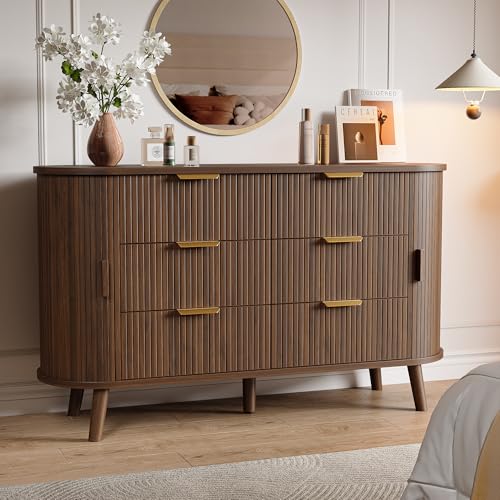
A retro dresser typically refers to furniture designed in the mid-20th century (roughly 1940s–1970s) or modern pieces inspired by that era. Key features include:
- Clean lines: Simple, uncluttered silhouettes with minimal ornamentation.
- Warm wood tones: Teak, walnut, and oak were popular, often with a natural or oiled finish.
- Tapered legs: Often angled or splayed, giving a light, airy feel.
- Unique hardware: Brushed brass, ceramic, or wooden knobs and pulls.
- Mixed materials: Some feature cane, rattan, or laminate accents.
Today, you can find authentic vintage pieces or modern reproductions that capture the same spirit. A retro dresser can work in almost any room, from a primary bedroom to a dining room dresser for storing linens or as a stylish media dresser in your living room.
Why Choose a Retro Dresser?
Timeless Aesthetic
Retro design never goes out of style. Its clean, sculptural forms complement both modern and traditional interiors, making it a versatile investment for your home.
Quality Craftsmanship
Many vintage pieces are built with solid wood and dovetail joints, offering durability that outlasts mass-produced furniture. Even modern retro-inspired dressers often prioritize quality materials.
Warmth & Character
The natural wood grains and organic shapes bring warmth to any space. A retro dresser can become a focal point, adding personality and a sense of history to your room.
How to Choose the Right Retro Dresser
When shopping for a retro dresser, consider these factors to find the perfect piece for your space and needs:
1. Size & Proportions
Measure your space carefully. A 30-inch dresser might be ideal for a small bedroom or hallway, while a 36-inch wide dresser offers more storage without overwhelming the room. For larger spaces, consider a 48-inch wide dresser or even a 60-inch wide dresser for ample drawer space.
Think about the height too. A tall lingerie dresser can maximize vertical space, while a short dresser for closet is perfect for low-profile storage. If you need a piece for a narrow spot, a 24-inch wide dresser or 30-wide dresser can fit snugly.
2. Material & Finish
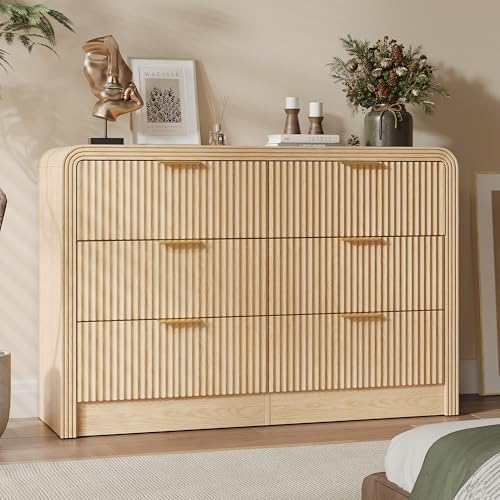
Authentic retro dressers are often made from solid woods like teak, walnut, or oak. For a lighter look, consider a washed natural dresser or a rustic brown dresser. If you prefer a painted finish, a distressed white dresser or a two-tone dresser can add a modern twist.
For a bolder statement, explore green dressers or a yellow dresser—colors that were popular in retro eras. A sage dresser offers a muted, earthy tone that works beautifully in a vintage-inspired bedroom.
3. Drawer Configuration
Think about what you'll store. A 3-drawer dresser nightstand is great for bedside essentials, while a modern 6-drawer dresser offers more capacity for clothing. For maximum storage, consider a 11-drawer dresser to keep everything organized.
4. Style & Details
Pay attention to details like legs, hardware, and silhouette. Tapered legs are iconic for mid-century modern dressers, while a japandi dresser blends retro simplicity with wabi-sabi aesthetics. A glam dresser with brass accents can add a touch of Hollywood regency to your retro theme.
Styling Your Retro Dresser
Once you've chosen your retro dresser, styling it can bring the whole room together. Here are some ideas:
- Mirror & Lighting: Pair with a dresser with mirror for a classic vanity setup. Add a dresser lighting idea like a table lamp or wall sconce to highlight the piece.
- Decorative Objects: A retro dresser is perfect for displaying vintage finds, books, or plants. Follow dresser styling tips to create a curated vignette.
- Artwork: Hang a dresser wall decor such as a gallery wall or a single statement piece above the dresser to anchor the space.
- Color Coordination: A white farmhouse dresser can contrast beautifully with bold wallpaper, while a gray wash dresser offers a softer, neutral backdrop.
Retro Dresser in Every Room
A retro dresser isn't just for the bedroom. Its versatility makes it a great addition to various spaces:
- Bedroom: The classic choice. A white mid-century dresser or a walnut 6-drawer dresser provides ample clothing storage.
- Living Room: Use a tv dresser for bedroom (or living room) as a media console, or a accent dresser to display books and decor.
- Hallway: A hallway dresser can serve as a drop zone for keys and mail, with drawers for extra storage.
- Bathroom: A bathroom dresser can hold towels and toiletries, adding a vintage touch to your space.
Retro vs. Other Dresser Styles
Not sure if retro is right for you? Here's how it compares to other popular styles:
- Retro vs. Mid-Century Modern: They're often used interchangeably, but "retro" is broader, encompassing styles from the 1940s to 1970s, while mid-century modern typically refers to the 1950s-60s.
- Retro vs. Farmhouse: Farmhouse style is more rustic and distressed, while retro is sleek and polished with clean lines.
- Retro vs. Boho: Boho is eclectic and layered, while retro is more streamlined and graphic. However, a boho dressers can incorporate retro elements.
- Retro vs. Glam: Glam is high-shine and luxurious, while retro is warm and organic. A lacquer dresser can bridge the two.
New vs. Vintage: Which Retro Dresser to Buy?
Both options have their pros and cons:
- Vintage: Authentic pieces offer true character, quality craftsmanship, and history. However, they may require refinishing or restoration. Look for discount dressers at flea markets or estate sales.
- New: Modern reproductions are often more affordable, available in a wider range of colors and finishes, and come with warranties. Many are made from hardwood dresser materials and are already-assembled dressers for convenience.
- Price Range: Expect to pay anywhere from $600–$2,500 for a quality new retro dresser, while vintage pieces can vary widely. Always check the condition and materials before buying.
Final Thoughts: Embrace Retro Charm
A retro dresser is more than just storage—it's a piece of art that tells a story. Whether you opt for a genuine vintage find or a modern interpretation, it brings warmth, style, and functionality to your home. Use this guide to navigate your options, and don't hesitate to explore different sizes, materials, and finishes. Pair it with a dresser and nightstand sets for a cohesive look, or let it shine as a standalone statement piece. Happy decorating!
Typical Price Range for Retro Dressers
$800–$2,500
Prices vary based on size, material, and brand. Vintage pieces can be less expensive but may require restoration.