Small Bedroom Dresser Ideas That Make Every Inch Count
Compact rooms do not have to sacrifice storage or style. Explore practical small bedroom dresser ideas, space-saving layouts, shallow designs, and organization strategies that help you get more from limited square footage.
Why small bedroom dresser ideas matter: In a compact bedroom, every piece of furniture affects how the room feels and functions. A well-chosen dresser can add meaningful storage without crowding the floor plan, while a poorly sized one can block circulation and make the space feel tighter than it is. This guide walks you through the design decisions, layout strategies, and product categories that work best in small bedrooms, so you can choose a dresser that supports both organization and comfort.
Start With the Room, Not the Dresser
Before browsing styles, measure the available wall space, the distance to the bed, and the clearance needed for drawers to open fully. A dresser that fits the wall but blocks a doorway or closet will create daily friction. In most small bedrooms, a walking clearance of 24 to 30 inches in front of the dresser is a practical minimum. If the room is tighter than that, consider a shallow dresser for a small bedroom or a slim dresser option that reduces depth without eliminating storage.
Also think about the room's traffic pattern. If the bed sits close to the wall, a dresser placed on the opposite wall may be the only workable solution. In rooms with a closet on the same wall, a narrower piece like a skinny dresser for small spaces can fit between the closet and the corner without blocking access.
Space-Saving Dresser Layouts That Work
Layout is often the difference between a dresser that feels like an obstacle and one that feels built into the room. These arrangements are especially effective in compact bedrooms.
Corner Placement With a Low Profile
A low, wide dresser tucked into a corner keeps the center of the room open. Pair it with a mirror above to add light and depth without consuming floor area. Keep the top surface minimal so the corner does not feel heavy.
Bedside Dresser as a Nightstand
A narrow dresser beside the bed can replace both a nightstand and a larger dresser. Choose a height close to the mattress top so it functions comfortably for lamps, books, and everyday items while housing folded clothing below.
Vertical Storage Along a Narrow Wall
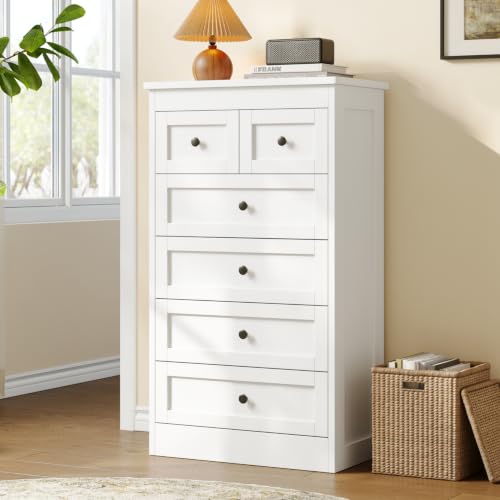
A tall, narrow dresser uses vertical space instead of floor space. This works well in rooms with limited wall length, especially when the piece is placed between the bed and the window or along a short wall near the door.
Under-Window Placement
A low dresser under a window can serve as both storage and a display surface. Measure the window sill height carefully so the dresser does not block light or interfere with curtains. A short dresser for a bedroom is often the right fit here.
Closet-Adjacent Storage
Placing a dresser just outside the closet creates a dressing zone that reduces back-and-forth movement. A short dresser for a closet area keeps clothing and accessories within reach without crowding the closet interior.
Floating or Wall-Mounted Option
Wall-mounted dressers clear the floor entirely, which makes a small room feel larger. They work best when the wall is solid and the dresser is anchored securely. This approach also simplifies cleaning underneath.
Choose the Right Size and Depth
Size is the most consequential decision in a small bedroom. A dresser that is too wide can dominate the room, while one that is too small may not hold enough to justify its footprint. As a general guide, measure the wall length and subtract at least 12 inches on each side for breathing room. Then confirm that drawers can open without hitting the bed, a door, or another piece of furniture.
Depth matters just as much as width. Standard dressers are often 18 to 20 inches deep, but compact rooms benefit from shallower options. A shallow dresser in the 15 to 18 inch range can hold folded clothing comfortably while preserving floor space. If the room is especially tight, a shallow chest of drawers offers similar benefits with a slightly different proportion.
| Tier | Best For | Typical Characteristics |
|---|---|---|
| Entry-Level | First apartments, guest rooms, temporary setups | Lightweight construction, simpler hardware, straightforward assembly, basic finishes |
| Mid-Range | Primary small bedrooms, daily-use storage | Sturdier frames, smoother drawer glides, more finish options, better hardware |
| Premium | Long-term primary bedrooms, design-focused rooms | Solid wood or high-grade materials, soft-close mechanisms, refined detailing |
| Luxury | Statement pieces, custom-fit layouts | Heirloom construction, hand-finished surfaces, premium joinery, bespoke sizing |
Small Bedroom Dresser Ideas by Style
Style affects how spacious a room feels. Light finishes, clean lines, and visible legs tend to make furniture feel lighter, while dark, heavy pieces can visually compress a small space. That said, contrast can work well when the room has enough natural light.
Light and Airy Finishes
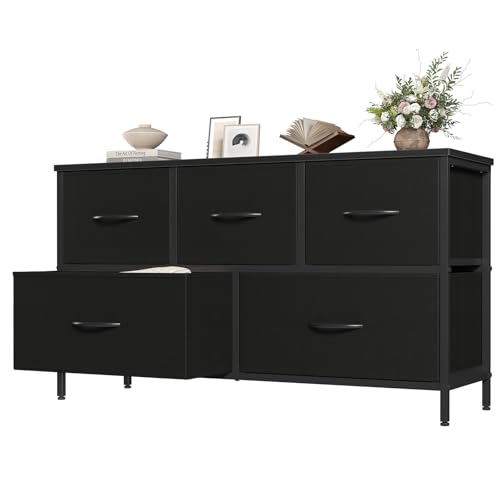
White, natural wood, and soft neutral finishes reflect light and blend into the walls, which helps a small bedroom feel larger. A small black dresser for a bedroom can also work as a deliberate contrast piece when the walls are light and the room has adequate lighting.
Clean, Minimal Lines
Dressers with simple fronts, flush drawers, and minimal ornamentation reduce visual noise. A Scandinavian dresser is a natural fit for this approach, pairing clean lines with functional proportions. For a softer look, a sage dresser adds color without visual weight.
Visible Legs and Open Space Beneath
Dressers raised on legs allow light and sightlines to pass underneath, which makes the piece feel less grounded and the room less crowded. This is especially effective in rooms with low ceilings or limited floor area.
Organization Strategies for Compact Dressers
A small dresser only works if it holds what you need without becoming a clutter trap. These organization habits make a meaningful difference in daily use.
Small Dresser Organization Checklist
- Use drawer dividers to separate categories and prevent piles from collapsing.
- Fold clothing vertically so you can see every item at a glance.
- Reserve the top drawer for small essentials that you reach for daily.
- Rotate seasonal clothing out of the dresser to free up space.
- Keep the top surface limited to a few functional or decorative items.
- Use the space beneath the dresser for low baskets or storage boxes if clearance allows.
- Audit the contents monthly and remove items you have not worn.
If the dresser is especially narrow, a small 3 drawer dresser can still be highly functional when each drawer has a clear purpose. For rooms that need a bit more capacity, a small 4 drawer dresser or a small 6 drawer dresser offers additional storage without a significantly larger footprint.
Styling a Small Dresser Without Crowding the Room
The top of a dresser is prime real estate in a small bedroom, but it is also where clutter accumulates fastest. A few intentional choices keep the surface useful and visually calm.
- Choose one anchor object: a lamp, a mirror, or a plant, rather than several competing pieces.
- Use vertical space: a small mirror or floating shelf above the dresser adds function without consuming the top surface.
- Keep a catch-all tray: a single tray for keys, glasses, and small items prevents scattered clutter.
- Limit decorative items: two or three well-chosen pieces read as intentional; many small items read as mess.
- Match the scale: oversized decor overwhelms a small dresser, so choose pieces proportional to the surface.
If you want to add height without adding floor furniture, shelves for on top of a dresser can create a layered display and extra storage. A small bedroom dresser with mirror is another space-efficient option that combines two functions in one footprint.
Materials and Construction to Prioritize
In a small bedroom, the dresser is often used daily, so construction quality matters. Look for drawer glides that operate smoothly, a frame that does not wobble, and joinery that holds up over time. Entry-level dressers can work well in guest rooms or short-term setups, while mid-range and premium tiers generally offer better hardware and more consistent construction for primary bedrooms.
Material choice also affects visual weight. A rustic white dresser can brighten a compact room, while a rustic wood dresser adds warmth and texture. If you prefer a softer palette, a sage green dresser brings color without dominating the space.
Common Mistakes to Avoid in Small Bedrooms
- Buying before measuring: confirm wall length, drawer clearance, and doorway width before choosing a dresser.
- Ignoring drawer swing: a dresser that fits the wall but blocks circulation when open will frustrate daily use.
- Choosing style over scale: an oversized statement piece can overwhelm a compact room even if it is beautiful.
- Overloading the top surface: the dresser top should remain functional, not become a secondary clutter zone.
- Skipping organization tools: dividers and vertical folding are especially important when drawer space is limited.
Frequently Asked Questions
How wide should a dresser be for a small bedroom?
Aim for a dresser that leaves at least 24 to 30 inches of walking clearance in front of drawers when fully open. In compact rooms, widths between 30 and 44 inches typically balance storage capacity with circulation, while narrower pieces under 30 inches suit tight alcoves and closet corners.
Is a tall dresser better than a wide dresser in a small room?
Tall dressers use vertical space and preserve floor area, which suits narrow rooms with limited wall length. Wide dressers offer a broader top surface and easier drawer access but demand more horizontal clearance. The better choice depends on your wall layout and how much top surface you need.
Can a dresser double as a nightstand in a small bedroom?
Yes. A low, narrow dresser placed beside the bed can function as both nightstand and clothing storage. Choose a height close to the mattress top and keep the top surface uncluttered so it stays functional for everyday items.
What depth is best for a dresser in a small bedroom?
Shallow dressers with depths between 15 and 18 inches are ideal for compact rooms because they reduce the footprint while still holding folded clothing. Standard depths of 18 to 20 inches work when the room allows adequate drawer clearance.
Explore More Small Bedroom Storage Solutions
Ready to compare compact dresser styles and configurations? Browse related guides to find the right fit for your space.