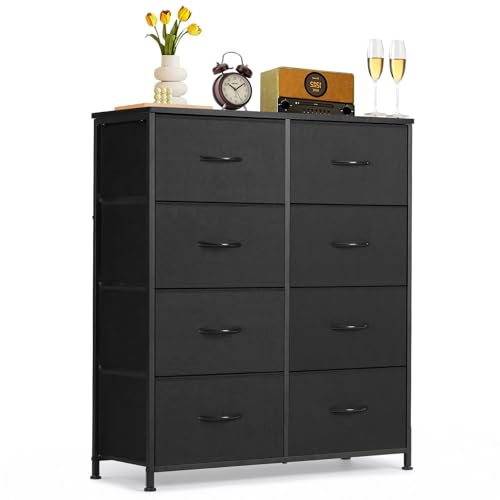
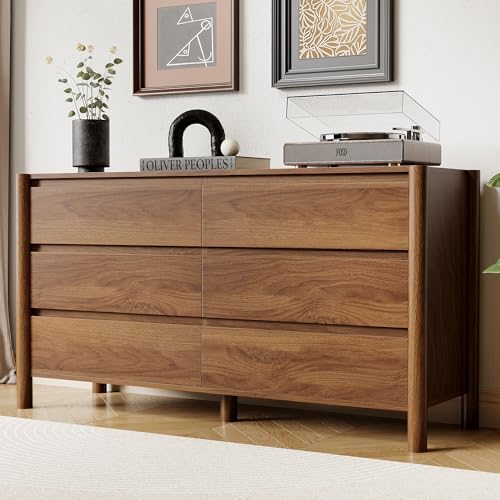
Shallow Dresser: The Complete Guide to Space-Saving Storage
Everything you need to know about shallow dressers — depth measurements, drawer configurations, material choices, placement strategies, and how to pick the right slim-profile dresser for a small bedroom or narrow closet.
Buying Research Guide · Expert-Backed Storage AdviceResearching a shallow dresser? You are in the right place. A shallow dresser is a purpose-built storage piece with a reduced depth — usually between 12 and 16 inches — designed for rooms where a standard 18-to-24-inch dresser would crowd the floor plan, block a doorway, or make walking space uncomfortable.
This guide walks you through what counts as a shallow dresser, how to measure your space correctly, which drawer counts and materials deliver the best long-term results, and how to avoid the most common buying mistakes. By the end, you will have a clear checklist to choose a slim-profile dresser that fits your room and your storage routine.
What Exactly Is a Shallow Dresser?
A shallow dresser — sometimes called a shallow chest of drawers — is a storage unit whose front-to-back depth is intentionally reduced. Standard dressers typically measure 18 to 24 inches deep. Shallow models land in the 12-to-16-inch range, which saves roughly a quarter to a third of the floor footprint without sacrificing vertical drawer capacity.
The term overlaps with related categories. A slim dresser tends to emphasize a narrow width, while a shallow dresser focuses on reduced depth. Many modern pieces combine both: a compact width and a shallow profile. If you are exploring options for tight floor plans, our collection of shallow depth dressers for small spaces is a useful starting point.
Depth Comparison: Shallow vs. Standard vs. Deep
Best for narrow hallways, closets, and small bedrooms. Sacrifices a little drawer depth for major floor-space savings.
The most common dresser depth. Good storage volume, but can crowd compact rooms and block walkways.
Maximum storage capacity, ideal for large master bedrooms with generous floor space. Rarely suitable for small rooms.
Use these measurements as a decision filter. If your room has less than 36 inches of clearance between the bed and the wall, a shallow model at 14 inches depth leaves a comfortable 22-inch walkway. A standard 20-inch dresser would leave only 16 inches — tight for daily movement.
Why Choose a Shallow Dresser?
- Reclaims walkway space. A shallow profile keeps narrow bedrooms and hallways comfortable to move through without relocating the bed.
- Fits closets and alcoves. A short dresser for closet setups often pairs with shallow depth to preserve hanging space and clear access.
- Better for small bedrooms. Our guide to shallow dressers for small bedrooms explains how depth reduction often matters more than width when floor space is limited.
- Improved stability. With less forward depth, the center of gravity sits closer to the wall, which can improve tip resistance — especially when combined with anti-tip straps.
- Cleaner visual line. Slim-profile furniture reads as less bulky, making compact rooms feel more open and intentional.
Drawer Configurations That Work Best in a Shallow Body
Because the drawer box is shallower, the way the interior is divided matters more than on a full-depth dresser. Folding technique and internal organization become the deciding factor for usable capacity.
- 3 drawers: An entry-level configuration suited to light storage — accessories, linens, or a small wardrobe rotation.
- 4 to 5 drawers: The mid-range sweet spot. Vertical stacking adds capacity without widening the footprint.
- 6 drawers: A balanced tier choice for a single adult wardrobe when paired with a closet. Consider a six drawer dresser if you need maximum organization in a compact body.
- Lingerie-style tall stacks: Multiple shallow drawers are ideal for folded garments and accessories because each drawer stays visible and accessible.
Pro Tip: Measure the Drawer Box, Not Just the Cabinet
A 14-inch-deep cabinet often has a 12-inch-deep drawer box once the back panel and drawer slides are counted. Bring a tape measure to the store, or check the published internal drawer dimensions online. Interior depth is the number that actually determines what fits.
Materials and Construction: What to Look For
A shallow dresser carries the same loads as a standard one, so construction quality matters just as much. Use these tier descriptors to compare options consistently:
| Category | Tier | What to Expect | Best For |
|---|---|---|---|
| Construction | Entry-Level | Engineered wood with basic drawer slides; assembly often required. | Guest rooms, dorms, low-traffic spaces |
| Construction | Mid-Range | Solid wood or wood veneer over plywood; smooth ball-bearing slides; dovetail or reinforced joints. | Primary bedrooms, daily use |
| Construction | Premium | Solid hardwood case and drawer fronts; soft-close undermount slides; dovetail joinery throughout. | Long-term investment, heirloom use |
Material selection influences both durability and visual weight. Light finishes such as a white dresser help compact rooms feel airier, while a natural wood dresser adds warmth without bulk. If you are matching an existing bedroom set, browse materials and finishes to compare wood tones and hardware options before committing.
Placement Strategies for a Shallow Dresser
A shallow dresser earns its value through placement. These are the configurations that consistently work:
- Along a narrow wall: A 48-to-60-inch-wide shallow unit can sit flat against a wall without projecting into the walkway.
- Inside a closet: Pair with a short dresser for bedroom closets or a dedicated closet organizer to keep folded items off shelving.
- As a bedside companion: A shallow body works well as a side dresser for bedroom placement, providing extra storage beside the bed without crowding the nightstand zone.
- Hallway or landing: Slim depth keeps traffic lanes clear in transitional spaces.
- Under a window: Low, shallow profiles fit beneath sills where full-depth dressers cannot go.
For rooms that also need extra seating or display space, a small bedroom dresser ideas guide can help you layer storage without adding visual clutter.
Shallow Dresser Buying Checklist
Before You Buy, Confirm These Five Points
1. Depth in inches — measure your walkway clearance first, then set a maximum depth. 2. Internal drawer dimensions — verify usable depth, not just the cabinet. 3. Anti-tip hardware — non-negotiable for any dresser, especially in bedrooms and nurseries. 4. Drawer slide type — ball-bearing or undermount slides outperform basic roller slides in daily use. 5. Assembly requirements — check whether the unit ships flat-packed and what tools are needed.
If you are weighing a shallow dresser against a standard-depth option, our dresser buying guide compares size, material, drawer count, and style across every room type. For a broader look at compact storage formats, the skinny dresser for small spaces guide covers the narrow-width category.
Frequently Asked Questions
What is considered a shallow dresser?
A shallow dresser typically measures 12 to 16 inches in depth, compared to 18 to 24 inches for a standard dresser. The reduced depth saves floor space and suits narrow rooms, closets, and hallways.
How many drawers should a shallow dresser have?
Three drawers suit light storage; five or six drawers maximize vertical capacity in a compact footprint. Choose based on your wardrobe volume and whether you are supplementing a closet.
Are shallow dressers stable and safe?
Yes, when built well and anchored to the wall. The reduced forward depth keeps the center of gravity closer to the wall. Always install anti-tip hardware, particularly in children's rooms.
Can a shallow dresser fit in a closet?
Yes. Shallow dressers are popular closet organizers because they leave walking room while providing accessible drawer storage. Measure your closet depth and door swing before purchasing.
What is the difference between a shallow dresser and a slim dresser?
Shallow refers to reduced depth (front to back), while slim refers to reduced width (side to side). Many compact models combine both qualities. Read the dimensions carefully rather than relying on the label alone.
Ready to Compare Shallow Dresser Options?
Browse curated shallow-depth dressers and storage pieces below. Every listing includes depth, drawer count, and construction details so you can match a model to your measured space before you commit.