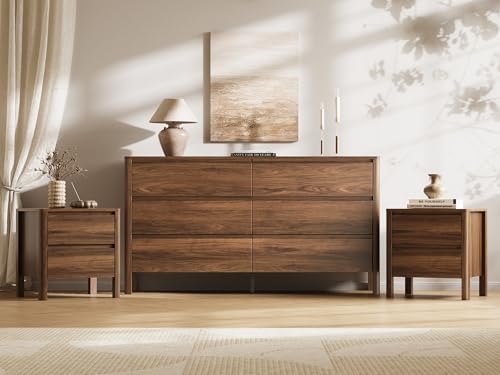
Mid-Century Dresser and Nightstand: The Complete Buying Guide
Clean lines, tapered legs, and warm wood grain. Discover how to choose a mid-century dresser and nightstand set that balances retro character with modern bedroom storage needs.
START THE GUIDEWhy this guide matters: A mid-century dresser and nightstand set is more than furniture — it is a design statement and a daily-use storage system. This guide walks you through style signatures, materials, sizing, drawer mechanics, and matching strategies so you can buy with confidence and avoid costly mismatches.
What Makes a Dresser Mid-Century?
Mid-century modern design emerged in the mid-20th century and is defined by functional simplicity, organic curves balanced with sharp geometry, and an emphasis on honest materials. When shopping for a mid-century dresser and nightstand, look for these signature elements:
- Tapered legs: Often angled outward, usually in wood or metal, lifting the piece off the floor for a lighter visual footprint.
- Clean, unornamented surfaces: No heavy carving. Drawer fronts are flat or subtly sculpted.
- Warm wood tones: Walnut is the classic choice, with teak, oak, and cherry as popular alternatives.
- Integrated hardware: Recessed pulls, sculpted wood handles, or slim metal bars instead of ornate knobs.
- Proportional balance: Low, wide profiles or tall, narrow chests that feel intentional rather than bulky.
If you are still comparing categories, our guide on dresser and nightstand combos explains how coordinated sets differ from individually sourced pieces.
Key Features to Evaluate Before Buying
Wood and Construction
Solid walnut or teak in the premium tier offers repairable surfaces and long-term durability. High-grade engineered wood in the mid-tier is a practical alternative when sealed and finished well.
Drawer Mechanics
Soft-close and full-extension slides make daily use smoother. In higher tiers, dovetail joinery signals sturdier drawer boxes that resist racking over time.
Proportions and Scale
Low-profile dressers suit modern rooms; tall chests maximize vertical storage in compact bedrooms. Match the nightstand height to your mattress for comfortable reach.
Finish and Hardware
Warm walnut, natural oak, or lacquered finishes change the room's mood. Keep metal hardware consistent across the set — brass, black, or brushed nickel — for a cohesive look.
Storage Layout
Deep drawers suit folded clothing, while shallow top drawers work for accessories. An organizer-ready top drawer helps keep small items in place.
Safety and Stability
Wall-anchoring hardware is essential, especially in homes with children. Confirm the set includes anti-tip straps and check weight ratings on drawer slides.
Mid-Century Dresser Types Compared
| Type | Best For | Key Trait | Tier Notes |
|---|---|---|---|
| Double Dresser | Primary bedrooms with generous wall space | Two columns of drawers, wide top surface | Mid-range to premium tiers offer the smoothest slides |
| Tall Chest | Compact bedrooms and closets | Vertical storage with a small footprint | Entry-level to mid-tier options are widely available |
| Single Dresser | Guest rooms and smaller apartments | Three to four drawers, narrow profile | Essential tier suits lighter storage loads |
| Dresser with Mirror | Rooms without a dedicated vanity | Attached or leaning mirror, dual function | Premium tiers feature better mirror mounting hardware |
For a deeper comparison of silhouettes, see our related guide on mid-century modern dressers with mirrors.
How to Size a Mid-Century Dresser and Nightstand Set
Measure twice before you buy once. A mid-century set should feel intentional, not cramped. Use this approach:
- Measure wall space: Leave at least 24 to 30 inches of walking clearance around the dresser and beside the bed.
- Check bed height: The nightstand top should sit within a few inches of the mattress top for comfortable reach.
- Plan drawer access: Allow enough room for drawers to extend fully without hitting the bed or a doorway.
- Confirm scale: A double dresser typically spans 60 to 72 inches, while a compact single runs 36 to 48 inches.
If your room is narrow, a tall, slim chest paired with a small nightstand preserves floor space. If you have a wide wall, a long low dresser with matching nightstands creates a balanced, hotel-style layout. Our resource on long mid-century dressers covers proportional planning in more detail.
Materials and Market Tiers
Rather than chasing a specific figure, evaluate where a piece sits in the market. Use these universal tiers to set expectations:
Essential Tier
Engineered wood with durable laminate or veneer. Good for guest rooms and lighter use. Confirm reinforced drawer bottoms and anti-tip hardware.
Balanced Tier
Solid wood frames with quality veneers. Smoother slides and more consistent finishing. A solid choice for primary bedrooms.
Top-Tier
Solid walnut or teak, dovetail joinery, and soft-close full-extension slides. Built for daily use and long-term ownership.
Matching finishes across the dresser and nightstand matters more than the absolute material tier. A consistent finish and leg profile makes an essential-tier set look cohesive. For a closer look at hardware details, see our guide on mid-century dresser drawer pulls.
Styling a Mid-Century Dresser and Nightstand Set
Mid-century design rewards restraint. Keep the top surface light and purposeful:
- Layer lighting: A slim ceramic or brass lamp on the nightstand adds warmth without visual clutter.
- Use negative space: Leave part of the dresser top empty to emphasize the wood grain.
- Anchor with a mirror or art: A round mirror or abstract print above the dresser balances the horizontal lines.
- Keep hardware consistent: If you upgrade pulls, match the finish across the dresser and nightstand.
If you are exploring coordinated bedroom layouts, our overview of dressers and nightstands highlights how sets are structured and what to verify before ordering.
Frequently Asked Questions
What defines a mid-century dresser and nightstand set?
A mid-century dresser and nightstand set is defined by clean geometric lines, tapered legs, warm wood tones such as walnut or teak, and functional minimalism. The set typically shares matching drawer pulls, leg profiles, and finishes so the bedroom reads as a cohesive space.
How do I choose the right size mid-century dresser for my bedroom?
Measure the available wall space and leave at least 24 to 30 inches of walking clearance. A standard mid-century double dresser is roughly 60 to 72 inches wide, while a compact single dresser runs about 36 to 48 inches. Pair the dresser with a nightstand on each side of the bed, ensuring the nightstand height sits close to the mattress top.
Which wood is best for mid-century bedroom furniture?
Walnut is the signature mid-century wood because of its rich grain and warm tone. Teak, oak, and cherry are also common. Solid wood construction in the mid-range and premium tiers offers better durability and repairability than engineered wood, though high-grade engineered panels can be a solid choice in the essential tier.
Can I mix a mid-century dresser with other furniture styles?
Yes. Mid-century pieces pair well with contemporary, Scandinavian, and even transitional interiors. Keep the palette warm and let the dresser anchor the room. If you mix styles, match wood undertones and keep hardware finishes consistent to maintain visual harmony.
What drawer features should I look for?
Look for soft-close or full-extension drawer slides, dovetail joinery in higher tiers, and smooth-operating pulls. Mid-century drawer pulls are often recessed or sculpted, so check that they feel comfortable and secure. Deep drawers suit bulky clothing while shallow drawers work well for accessories.
Ready to Choose Your Mid-Century Set?
Use the checklist above to compare proportions, wood type, drawer mechanics, and finish consistency. A well-chosen dresser and nightstand pairing will serve your bedroom for years.
EXPLORE RECOMMENDED OPTIONS