Industrial Dressers: Complete Buying Guide & Style Ideas
Raw steel, reclaimed wood, and exposed hardware — industrial dressers bring warehouse character into the bedroom. This guide covers construction, tier comparisons, storage planning, and styling so you can choose with confidence.
Start the GuideWhy industrial dressers deserve a place in your bedroom: They are built around a steel frame and a wood body, which typically means reinforced joinery and drawer slides rated for frequent use. If you want a storage piece that looks intentional, ages well, and works in both loft-style and modern rooms, an industrial dresser is a strong candidate. This page walks you through the details that matter before you commit.
What Exactly Is an Industrial Dresser?
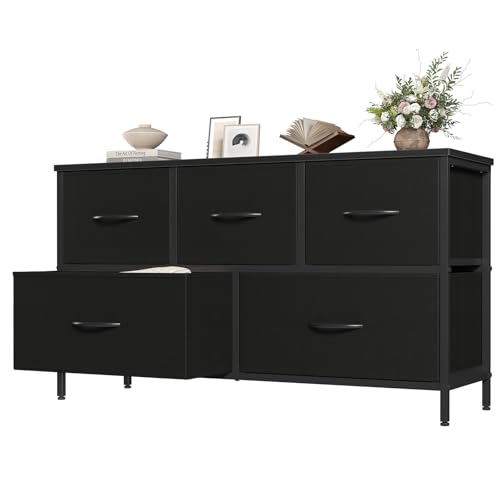
An industrial dresser is a storage piece that borrows its visual language from factories, workshops, and warehouses. The defining traits are a visible metal structure — often blackened steel, iron, or powder-coated aluminum — paired with wood drawer fronts or a wood carcass. You will frequently see exposed rivets, angle-iron legs, pipe-style handles, and caster wheels. Some models lean heavily into metal, while others use metal only as accents on a mostly wood body.
The style traces back to mid-20th-century industrial furniture and was revived by loft conversions in the 1990s. Today, industrial dressers sit comfortably in modern farmhouse, urban loft, and minimalist bedrooms. The appeal is practical: metal frames resist racking, and the visual weight of steel makes the piece feel grounded even in a small room.
If you are still deciding between a dresser and a chest, the article on industrial chest of drawers explains the height and drawer-count differences in detail.
Construction and Materials: What to Look For
The frame
Look for a steel or iron frame with welded or bolted joints. Bolted frames are easier to disassemble for moving, while welded frames are typically more rigid. Powder-coated finishes resist chipping better than painted finishes. If the frame is thin tubular steel, check the wall thickness — heavy-duty models use thicker gauge steel that does not flex when the dresser is loaded.
The drawer boxes and slides
Industrial dressers are often loaded with clothing, so drawer slides matter. Entry-level models may use basic roller slides, while mid-range and premium tiers typically use heavy-duty ball-bearing slides or full-extension drawer slides that let you reach the back of the drawer. If you plan to store heavier items such as denim or linens, prioritize slides rated for higher load capacity.
The wood
Reclaimed pine and mango wood are common in industrial designs because their grain and knots suit the aesthetic. Solid wood drawer fronts are more durable than veneered MDF, though high-quality veneer over a stable core can perform well. For a deeper comparison, read the guide to a high-quality solid wood dresser.
Hardware and details
Exposed screws, rivets, and pipe handles are part of the look, but they should be finished smoothly to avoid snagging clothing. If you want to customize the look later, the article on handles for dresser drawers covers replacement options.
Industrial Dresser Tiers: Entry-Level to Luxury
Industrial dressers span a wide range of build quality. The table below groups them by tier so you can compare construction and features without relying on any single retailer's naming.
| Tier | Typical Construction | Best For |
|---|---|---|
| Entry-level | Metal frame with MDF or veneered drawer fronts; basic roller slides | Guest rooms, first apartments, low-traffic spaces |
| Mid-range | Steel frame with solid wood drawer fronts; ball-bearing slides; powder-coated finish | Primary bedrooms, daily use, long-term ownership |
| Premium | Welded steel frame, solid reclaimed wood, soft-close full-extension slides, hand-finished hardware | Design-focused bedrooms, heavy daily storage |
| Luxury / commercial-grade | Thick-gauge steel, custom joinery, heavy-duty locking slides, artisan finishes | Loft conversions, boutique hospitality, statement pieces |
As a rule, moving up a tier buys smoother drawer action, better wood stability, and more durable finishes. A mid-range industrial dresser is usually the sweet spot for a primary bedroom, while premium and luxury tiers make sense when the dresser is a focal point or is used commercially.
Sizing and Storage Planning
Industrial dressers tend to be visually heavier than their painted or lacquered counterparts, so scale matters. Measure the available wall space, the depth of the room, and the clearance needed for drawers to open fully. A standard dresser is roughly 30 to 36 inches tall; a high dresser or highboy dresser trades width for vertical storage, which works well in narrow rooms.
For drawer count, a 6-drawer configuration handles most couples' clothing. A 6-drawer dresser layout — two wide drawers over four smaller ones — is a common industrial format. If you need more capacity without more floor space, a 9-drawer model or an inside closet dresser can absorb seasonal clothing.
Consider the room's traffic flow. A horizontal dresser works as a console-style piece under a window or opposite the bed, while a tall model frees up wall space for art. If you are furnishing a guest room, the guide to guest bedroom storage ideas covers how to combine a dresser with other storage.
How to Style an Industrial Dresser
Industrial furniture is visually busy on its own, so styling should stay restrained. A few principles work consistently:
- Keep the top sparse. A single lamp, a small tray, and one object of interest is enough. The jewelry organizer for dresser top is a practical way to add function without clutter.
- Mix warm and cool tones. Steel reads cool; pair it with warm wood tones, camel leather, or brass accents. A grey dresser with gold handles shows how hardware can soften an industrial silhouette.
- Use a mirror strategically. A heavy-duty dresser mirror bracket lets you mount a mirror directly to the dresser without drilling into the wall, which suits rental spaces.
- Anchor it visually. A rug beneath the dresser and a piece of art above it frame the piece so it does not look like it is floating.
If you want to push the aesthetic further, the guide to grey dresser with mirror combinations shows how a mirrored top can lighten a dark industrial frame. For a bolder look, a high-gloss black lacquer dresser offers a different route to a dark, moody bedroom.
Industrial Dressers for Nurseries and Kids Rooms
Industrial dressers can work in a nursery if safety is prioritized. Anchor the dresser to the wall, choose models with self-closing or soft-close slides, and avoid exposed sharp edges. A green dresser nursery setup shows how a colored industrial frame can soften the look for a child's room.
For a changing station, a grey changing table with drawers combines storage with a dedicated changing surface. If you prefer a dedicated kids piece, the kids dresser guide covers height and safety considerations.
Maintenance and Care
Powder-coated steel wipes clean with a damp cloth and mild soap. Avoid abrasive cleaners that can dull the finish. Wood drawer fronts benefit from a yearly application of furniture wax or oil, depending on the finish. If the dresser develops a musty smell — common in humid rooms — the guide on how to remove musty smell from dresser drawers walks through the fix.
Check the drawer slides every few months. A small amount of silicone spray on ball-bearing slides keeps them smooth. If a slide fails, replacement is straightforward on most mid-range and premium models because the slides are standard sizes.
Industrial Dresser Buying Checklist
Before you buy, confirm: (1) the frame material and gauge; (2) whether drawer slides are ball-bearing or roller; (3) drawer box material — solid wood versus MDF; (4) whether the finish is powder-coated or painted; (5) the dresser's depth versus your room clearance; (6) whether it includes an anti-tip kit; (7) the return policy and assembly requirements.
If you are comparing this style against other options, the how to choose dresser guide provides a broader framework. For a direct style comparison, the industrial chest of drawers page explains when a taller chest is the better fit.
Related Dresser Styles Worth Exploring
Industrial design overlaps with several other styles. If you like the raw-metal look but want a warmer finish, explore grey oak dresser options, which pair oak grain with darker hardware. For a more polished take, a high gloss dresser delivers a sleek surface that contrasts with industrial hardware. And if you are furnishing an entire bedroom, a grey dresser and nightstand set keeps the look consistent.
Frequently Asked Questions
What defines an industrial dresser?
An industrial dresser combines raw or finished metal frames and hardware with wood, often reclaimed, for a utilitarian aesthetic. Exposed rivets, angle-iron legs, and caster wheels are common signatures.
Are industrial dressers durable?
Yes. Most industrial dressers use steel frames and reinforced joinery that outperform standard particleboard construction. Mid-range and premium tiers typically include heavy-duty drawer slides rated for daily use.
How do I style an industrial dresser in a bedroom?
Pair it with neutral bedding, warm wood tones, and matte black or brass accents. Keep the dresser top uncluttered and use open shelving or a matching nightstand to reinforce the warehouse aesthetic.
What drawer count is best for an industrial dresser?
A 6-drawer or 9-drawer configuration suits most bedrooms. Smaller spaces benefit from 3-drawer or 4-drawer models, while tall industrial chests maximize vertical storage in compact rooms.
Can industrial dressers work in a nursery or kids room?
They can, provided the dresser is anchored to the wall and has soft-close or self-closing drawer slides. Avoid sharp exposed corners and check that the finish is low-VOC and child-safe.
Ready to Choose Your Industrial Dresser?
Industrial dressers reward buyers who check the frame, slides, and finish before committing. Use the checklist above, compare tiers rather than individual listings, and match the dresser's depth and drawer count to your room. Once those boxes are ticked, the style decision is straightforward — and the piece will serve you for years.