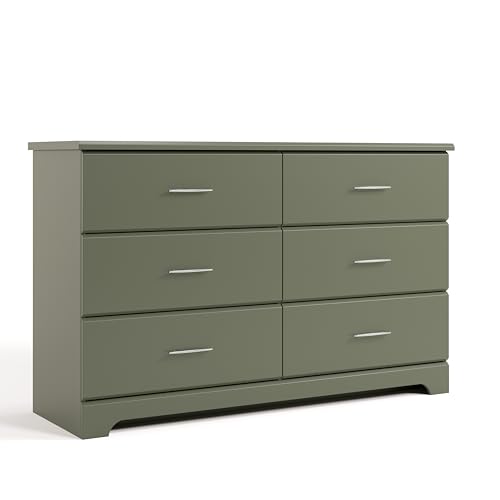
Green Dresser Nursery: The Complete Buying Guide
Everything you need to choose a safe, stylish, and functional green dresser for your nursery. Explore color psychology, safety standards, storage planning, and expert styling tips.
Explore Green Nursery DressersWhy a green dresser? Green is one of the most versatile and calming colors for a nursery. Whether you prefer soft sage, mint, olive, or a rich emerald, a green dresser can anchor your baby's room with a soothing, nature-inspired palette while providing essential storage for clothing, diapers, and bedding.
Why Choose a Green Dresser for a Nursery
A nursery is more than just a room; it is a space where your baby will sleep, play, and grow. The furniture you choose should balance safety, functionality, and aesthetics. A green dresser nursery piece offers unique advantages that make it a smart investment for new parents.
Green is widely regarded as a calming color that promotes relaxation and reduces stress. In color psychology, green is associated with nature, growth, and tranquility, making it an ideal choice for a room designed to encourage restful sleep. Unlike bold primary colors that can overstimulate, green creates a gentle backdrop that works across multiple decor themes, from woodland and botanical to modern minimalist and vintage-inspired.
Beyond color, a green nursery dresser is a practical storage hub. It holds everything from onesies and sleep sacks to diapers and blankets. Many parents choose a dresser that doubles as a changing table, maximizing the use of floor space. If you are exploring complementary storage pieces, our guide to green chest of drawers covers how to pair pieces for a cohesive room.
Calming Atmosphere
Green tones promote relaxation, helping create a peaceful environment that supports your baby's sleep routine.
Gender-Neutral Versatility
Green works equally well for boys and girls, making it a smart choice if you plan to reuse the room for future children.
Long-Term Style
A well-chosen green dresser can transition from nursery to toddler room to a stylish teen space with minimal updates.
Storage Efficiency
Drawers keep small items organized and out of reach, while the top surface can host a changing pad or decor.
Choosing the Right Green Shade
The shade of green you select dramatically affects the mood of the nursery. Lighter greens, such as sage and mint, create an airy, open feel that is especially beneficial in smaller rooms. These soft tones pair beautifully with white trim, natural wood accents, and pastel textiles.
Deeper greens, such as forest, emerald, or hunter green, add depth and sophistication. A hunter green dresser can serve as a striking focal point in a larger nursery, especially when balanced with lighter walls and soft furnishings. If you want to add a touch of glamour, consider a green dresser with gold hardware, which introduces a refined contrast without overwhelming the room.
For parents drawn to retro aesthetics, a green mid-century modern dresser combines clean lines and tapered legs with a timeless palette. Whatever shade you choose, test paint swatches or order fabric samples to see how the color reads in your nursery's natural light before committing.
Safety First: Nursery Dresser Essentials
Safety is the single most important factor when selecting a dresser for a nursery. According to child safety guidelines, all dressers used in rooms with young children should be anchored to the wall to prevent tip-over accidents. Look for dressers that include an anti-tip kit or purchase a separate wall-anchoring strap.
Drawer slides should operate smoothly and include stops that prevent drawers from pulling all the way out. Soft-close mechanisms are a bonus because they reduce noise and pinch hazards. Check that edges and corners are rounded or chamfered, and avoid furniture with sharp metal pulls that could catch clothing or skin.
Storage Planning for a Nursery Dresser
A nursery dresser needs to hold a surprising amount of small items. Plan your drawer layout based on how you organize baby essentials. Shallow top drawers are ideal for socks, hats, and bibs, while deeper lower drawers can hold folded clothing, sleep sacks, and spare bedding.
If you plan to use the dresser as a changing station, choose a model with a wide top surface that can accommodate a contoured changing pad. Secure the pad with a safety strap and keep diapers, wipes, and cream within arm's reach in a nearby basket or drawer. For additional inspiration on organizing small spaces, see our guest bedroom storage ideas, which shares principles that apply equally well to nurseries.
Nursery Dresser Tier Comparison
| Tier | Best For | Typical Features |
|---|---|---|
| Entry-level | First-time parents setting up a basic nursery | Engineered wood construction, standard drawer slides, simple painted finish |
| Mid-range | Families wanting durability and style balance | Solid wood or high-quality engineered wood, soft-close drawers, non-toxic finish |
| Premium | Long-term use and design-conscious nurseries | Solid hardwood, dovetail joinery, premium hardware, low-VOC or water-based finish |
| Luxury | Heirloom-quality furniture and designer rooms | Hand-finished hardwood, custom hardware, artisanal detailing, exceptional build quality |
Materials and Finishes for a Green Nursery Dresser
The material and finish of your green dresser affect both its durability and indoor air quality. Solid wood dressers, such as those made from oak, maple, or pine, offer superior longevity and can be refinished if the color needs updating. Engineered wood options are generally lighter and more consistent in appearance but should be checked for low formaldehyde emissions.
For a nursery, choose a water-based, low-VOC paint or a natural oil finish. These options reduce off-gassing and are safer for sensitive lungs. If you are considering a painted piece, look for brands that explicitly state their finishes are non-toxic and child-safe. Our guide to green dressers explores finish options in greater detail.
Hardware also matters. Round knobs are less likely to snag clothing than angular pulls, and they are easier for small hands to grip as your child grows. If you plan to update the hardware later, choose a dresser with standard-spaced holes so replacements are easy to find.
Styling Your Green Nursery Dresser
Once the dresser is safely installed, styling transforms it into a functional and beautiful part of the room. Start with a neutral changing pad or a decorative tray to corral small items. Add a soft lamp with a warm bulb for nighttime feedings, and keep a small basket nearby for books or swaddles.
Wall decor above the dresser should be lightweight and securely mounted. Avoid hanging heavy frames directly above the changing area. If you want to create a cohesive look, repeat the green tone in smaller accents such as picture frames, storage bins, or a woven basket. For a broader range of coordinating pieces, our green chest of drawers guide offers complementary storage ideas.
If you prefer a more modern aesthetic, pair a green dresser with white walls, light wood flooring, and textured textiles. For a vintage-inspired nursery, consider brass hardware and a framed mirror above the dresser. The key is to balance the green piece with neutrals so the room feels harmonious rather than overwhelming.
Frequently Asked Questions
Is a green dresser suitable for a nursery?
Yes, a green dresser is an excellent choice for a nursery. Green is a calming, gender-neutral color that promotes relaxation and works well with many decor themes. Opt for a non-toxic, low-VOC finish and ensure the dresser is stable and tip-resistant for safety.
What shade of green works best in a nursery?
Soft shades like sage, mint, and olive create a serene atmosphere, while deeper tones like emerald or forest green add richness. Lighter greens tend to make small rooms feel more spacious, while darker greens work well as an accent piece in larger rooms.
How do I anchor a nursery dresser to the wall?
Use an anti-tip furniture strap or bracket kit that attaches the back of the dresser to a wall stud. Most nursery dressers include a tip-restraint kit; if not, purchase one separately. Never place heavy items on top of a dresser that is not anchored.
What size dresser is best for a nursery?
A three to six-drawer dresser measuring around 30 to 50 inches wide is typically ideal for a nursery. It provides ample storage for clothing, diapers, and bedding while fitting comfortably in most rooms. Consider a dresser that doubles as a changing table for added functionality.
Final Checklist Before You Buy
- Confirm the dresser includes or supports a wall-anchoring kit.
- Measure your nursery space and doorway clearance before ordering.
- Choose a low-VOC or water-based finish for healthier indoor air.
- Check drawer slide quality and look for drawer stops or soft-close features.
- Verify that the top surface is wide enough for a changing pad if needed.
- Plan drawer organization with dividers and shallow top drawers for small items.
- Coordinate the green tone with your existing rug, bedding, and wall color.