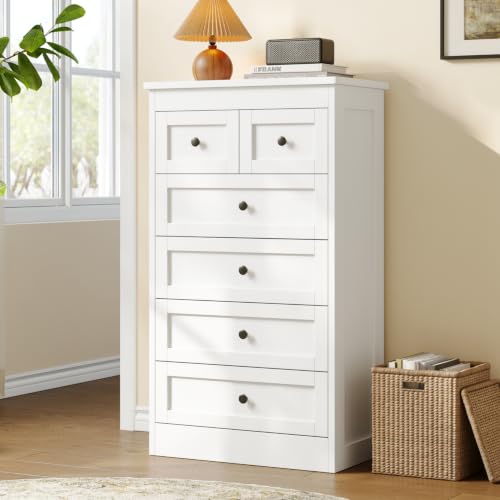
The Highboy Dresser: A Complete Guide to Tall Bedroom Storage
Tall, elegant, and surprisingly practical — the highboy dresser packs generous storage into a compact footprint. Explore styles, drawer layouts, materials, and expert buying tips so you can choose the right tall dresser for your bedroom with confidence.
Explore Highboy OptionsWhat Is a Highboy Dresser?
A highboy dresser is a tall, vertically oriented chest of drawers that typically stands on short legs, with drawers stacked in a column that rises well above waist height. Traditionally, the highboy form features a narrower upper section resting on a wider lower base, giving it a distinctive stepped silhouette. In modern furniture, the term is often used more broadly to describe any tall dresser or tallboy-style chest that emphasizes height over width.
The appeal is straightforward: a highboy delivers a large amount of drawer storage while occupying a relatively small amount of floor space. That makes it an excellent choice for smaller bedrooms, guest rooms, apartments, and any layout where a wide horizontal dresser would crowd the room. The vertical design also keeps clothing at a comfortable height and can make a room feel taller and more architecturally interesting.
Highboy vs. Standard Dresser: Key Differences
Understanding how a highboy compares to other bedroom storage pieces helps you choose the right fit for your space and habits.
| Feature | Highboy Dresser | Standard / Wide Dresser |
|---|---|---|
| Orientation | Vertical, tall column of drawers | Horizontal, wide and lower |
| Floor Space | Compact footprint, ideal for small rooms | Requires wider wall space |
| Top Surface | Smaller display or lamp area | Generous surface for decor and accessories |
| Storage Volume | High drawer count in a narrow footprint | Often wider drawers, fewer stacked vertically |
| Best For | Small bedrooms, guest rooms, apartments | Large bedrooms, shared rooms, display needs |
If you are still weighing the broader category, our guide to high dressers covers the full range of tall storage furniture, while highboy chests focuses specifically on the chest-style interpretation of this classic form.
Highboy Dresser Styles Through the Decades
The highboy has a long history in bedroom furniture, and its enduring popularity means you can find it in a wide range of design languages. Understanding the major styles helps you match a piece to your existing decor.
Traditional and Antique Highboys
Classic highboys often feature carved details, bracket feet, brass hardware, and rich wood finishes such as mahogany or cherry. Antique and vintage pieces bring character and craftsmanship, but require careful inspection of drawer glides, joints, and finish condition. If you are drawn to older pieces, our guide on identifying antique dresser styles can help you date and evaluate a find.
Mid-Century Modern Highboys
Clean lines, tapered legs, and warm walnut tones define the mid-century modern highboy. These pieces often feature sculpted drawer pulls and a more streamlined silhouette. For a closer look at this aesthetic, explore our green mid-century modern dresser guide, which discusses color and form in the mid-century style.
Modern and Contemporary Highboys
Contemporary highboys favor minimal hardware, lacquered finishes, and crisp geometry. A high-gloss dresser finish can give a highboy a sleek, reflective look that suits modern interiors, while high-gloss white lacquer and high-gloss black lacquer options offer bold monochrome statements.
Industrial and Rustic Highboys
Metal frames, reclaimed wood panels, and exposed hardware give industrial highboys a rugged character. For a broader survey of this look, see our industrial dresser and industrial chest of drawers guides. Rustic finishes in natural wood tones pair well with farmhouse and cabin styles.
Understanding the Tier System for Highboy Dressers
Furniture quality varies dramatically, and the highboy category is no exception. Rather than focusing on any specific figures, it helps to think in terms of market tiers. The table below uses a consistent classification that reflects build quality, material grade, and feature set.
Essential Tier
Engineered wood construction, basic drawer glides, and straightforward finishes. These pieces suit occasional-use rooms and first apartments, but expect simpler hardware and lighter materials.
Balanced Tier
Solid wood frames with veneered panels, smoother drawer mechanisms, and better joinery. A solid choice for daily use in a primary bedroom, with improved durability over entry-level options.
High-End Tier
Solid hardwood construction, dovetail joinery, soft-close or heavy-duty glides, and refined finishes. Built as a long-term investment, with the craftsmanship to match the classic highboy form.
Within each tier, the best options are those that are well-specified for their class. A mid-tier highboy with dovetailed drawers and quality glides can feel remarkably refined, while an entry-level piece with sturdy hardware can serve well in a guest room. For more on evaluating construction, see our high-quality solid wood dresser guide and our overview of high-end dressers.
How to Choose the Right Highboy Dresser
A highboy is a significant bedroom purchase, and the right choice depends on your room, your storage habits, and your design preferences. Work through the following checklist before you commit.
1. Measure Your Space
Height is the defining feature of a highboy, so verify ceiling height and any wall-mounted items such as artwork, mirrors, or sconces. Also measure the depth of the piece and confirm clearance for drawers to open fully — most highboys need roughly 24 to 30 inches of clearance in front. If your room is especially tight, consider dressers for small spaces and small bedroom storage ideas.
2. Plan Your Drawer Layout
Most highboys use a stacked arrangement that mixes shallow accessory drawers at the top with deeper drawers below. Think about what you store: shallow drawers work well for folded shirts and accessories, while deeper drawers suit sweaters, denim, and linens. A 5 drawer dresser or 6 drawer dresser offers a versatile balance for most bedrooms.
3. Evaluate Materials and Construction
Solid wood frames, dovetail drawer joints, and smooth glides are the hallmarks of a well-built highboy. Veneered panels are perfectly acceptable when properly applied, and engineered wood can be a reasonable choice for lighter-use rooms. Check for drawer stops, dust panels between drawers, and a stable base.
4. Prioritize Safety
Tall furniture must be anchored. Look for models that include anti-tip hardware, and always secure the unit to a wall stud. Interlocking or soft-close drawers add an extra layer of safety and comfort. This is especially important in kids dresser and nursery dresser settings.
5. Match the Style to Your Room
Consider the dominant style of your bedroom. A traditional highboy suits classic decor, while a clean-lined modern piece fits contemporary spaces. Color also matters: a green dresser or hunter green dresser can become a statement piece, while neutral wood tones blend more easily.
- Measure ceiling height, wall width, and drawer clearance
- Confirm the drawer layout matches what you actually store
- Check joinery type, glide quality, and drawer stops
- Ensure anti-tip hardware is included and use it
- Review the finish for durability and color consistency
- Consider delivery access — tall pieces can be awkward through stairwells
Highboy Dressers for Different Rooms
The highboy form adapts well across room types. In a guest room, a mid-tier highboy with four to five drawers provides ample storage without dominating the space. In a nursery, a highboy-style green dresser for nursery can add color and function, provided it is properly anchored. In a primary bedroom, a premium highboy with dovetail joinery and soft-close glides makes a lasting centerpiece.
For closets and dressing areas, an inside closet dresser arrangement lets you use a highboy as an island or built-in storage unit. And if you are coordinating a full bedroom set, a grey dresser and nightstand set or headboard, dresser, and nightstand set can bring visual cohesion.
Hardware, Finishes, and Details
Small details make a big difference on a tall piece. Drawer hardware draws the eye at eye level, so choose pulls that match your style: brass for traditional, matte black for industrial, or integrated handles for modern. Our guides to handles for dresser drawers and dresser knobs offer practical selection advice.
Finish choice affects both durability and mood. A grey dresser or grey wood dresser finish offers a calm, versatile backdrop, while a solid wood highboy lets the natural grain take center stage. If you prefer a painted look, a hand-painted dresser can add artisan character.
Caring for Your Highboy Dresser
Regular care keeps a highboy looking its best and extends its service life. Dust with a soft cloth, avoid harsh chemical cleaners on finished surfaces, and keep the piece out of direct sunlight to prevent fading. Lubricate drawer glides periodically, and check screws and brackets every few months. If you notice a musty odor, our guide on how to remove musty smell from dresser drawers walks through safe, effective remedies.
If you are considering a refresh rather than a replacement, repainting is an option. Explore ideas for repurposing a dresser and DIY dresser projects for inspiration before you start.