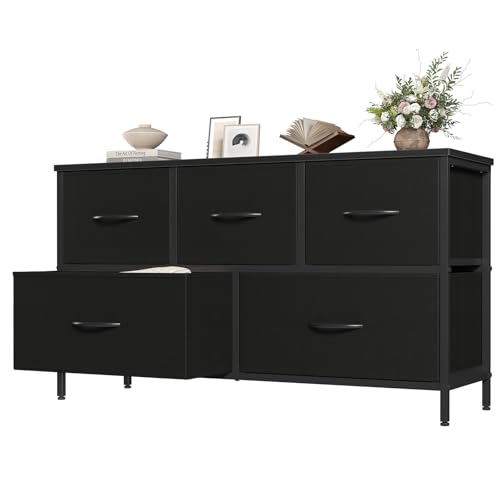
How to Remove Musty Smell from Dresser Drawers
A complete, step-by-step guide to eliminating odor, preventing mold growth, and keeping your dresser drawers fresh for the long term.
Why Your Dresser Drawers Smell Musty
A musty smell in dresser drawers is one of the most common complaints among homeowners, renters, and vintage furniture enthusiasts. The odor is not merely unpleasant — it is a signal that something is wrong with the environment inside your furniture. Understanding the causes is the first step toward a permanent fix.
Musty odors are produced by mold, mildew, and bacteria that thrive in damp, dark, and poorly ventilated spaces. Wood, even when finished, is a porous material that absorbs ambient moisture. When the relative humidity inside a drawer exceeds roughly 55 percent, microbial growth can begin within days. The organic compounds released by these microorganisms are what your nose detects as a "musty" or "basement" smell.
Common Causes of Musty Dresser Drawers
- High indoor humidity: Bathrooms, basements, and poorly ventilated bedrooms are the usual culprits. Seasonal humidity spikes often trigger the problem.
- Previous water damage: Floods, leaks, or condensation from windows can leave moisture trapped inside the wood and joints.
- Damp clothing or linens: Storing items that are not fully dry creates a microclimate of humidity inside a closed drawer.
- Poor air circulation: Drawers that stay closed for long periods trap stale air and moisture.
- Spills that were never fully dried: Liquid that seeps into drawer bottoms or joints can feed mold for months.
- Vintage or second-hand furniture: Pre-owned dressers may have absorbed odors from previous storage environments, such as damp garages or attics.
- Inadequate sealing: Unfinished wood on the inside of drawers absorbs moisture more readily than sealed surfaces.
If you are also evaluating an older or second-hand piece and want to understand its construction before treating it, our guide on identifying antique dresser styles can help you determine whether the piece is solid wood, veneer, or composite — each of which reacts differently to moisture.
How to Identify the Root Cause
Before reaching for cleaning supplies, spend a few minutes diagnosing where the moisture and odor are coming from. A targeted approach saves time and prevents damage.
1. Inspect the Drawer Interiors
Remove every drawer and examine the interior surfaces, especially the bottoms and corners. Look for dark stains, white or green powdery patches, warped wood, or peeling veneer. These are visible signs of mold or past water exposure.
2. Check the Dresser Frame
Shine a flashlight into the cabinet cavity. Inspect the back panel, the bottom panel, and the joints where drawers slide. Mold often begins in these hidden areas where air does not circulate.
3. Test the Environment
Use a hygrometer (inexpensive and widely available) to measure the humidity in the room. If it consistently reads above 55 percent, the room itself is contributing to the problem. Also check for condensation on windows or walls near the dresser.
4. Smell Test in Stages
Smell the empty dresser frame separately from each drawer. If the odor is concentrated in one drawer, the source may be a specific spill or a stored item. If the entire unit smells, the issue is likely environmental or structural.
5. Rule Out Stored Items
Old books, damp linens, leather goods, and shoes can harbor mildew. Remove everything and inspect each item before returning it to the dresser. When in doubt, launder or air out items before placing them back.
Supplies You Need
Gather these supplies before you begin. Most are common household items, and the remainder are widely available at hardware or home stores.
| Supply | Purpose | Notes |
|---|---|---|
| White vinegar | Kills mold and neutralizes odor | Dilute 1:1 with water |
| Baking soda | Absorbs moisture and odor | Use dry, in shallow dishes |
| Mild dish soap | Cleans grime from surfaces | A few drops per quart of water |
| Activated charcoal | Long-term odor absorption | Replace every 30 days |
| Cedar blocks or chips | Natural repellent and freshener | Sand lightly to refresh scent |
| Silica gel packets | Moisture control | Rechargeable varieties are reusable |
| Spray bottle | Even application of solutions | Clean before each use |
| Microfiber cloths | Wiping and drying surfaces | Use separate cloths for cleaning and drying |
| Fine-grit sandpaper (220) | Light sanding of unfinished wood | Only if mold has penetrated |
| Dehumidifier or fan | Accelerates drying and air circulation | Essential for humid climates |
Step-by-Step Odor Removal
Follow these steps in order for the most reliable results. Rushing the process — especially the drying stage — often leads to the odor returning within weeks.
-
Empty and Disassemble
Remove all items from the dresser. Take out each drawer completely so every surface is accessible. Place drawers in a well-ventilated area, ideally outdoors in shade or in a room with open windows and a fan.
-
Clean All Surfaces
Mix a few drops of mild dish soap with warm water. Wipe down the exterior, interior, and every drawer with a damp microfiber cloth. Pay attention to corners, joints, and the tracks where drawers slide. Do not saturate the wood.
-
Treat with Vinegar Solution
Combine equal parts white vinegar and water in a spray bottle. Lightly mist all interior surfaces, including drawer bottoms, sides, and the cabinet cavity. Let it sit for 10 to 15 minutes. Vinegar is acidic enough to kill surface mold and neutralize odor without damaging most finishes.
-
Wipe and Dry Thoroughly
Use a clean, dry microfiber cloth to wipe away the vinegar solution. Then allow the wood to air-dry completely. Use a fan or dehumidifier to speed drying. Do not reassemble or load the dresser until every surface is fully dry to the touch — this typically takes 24 to 48 hours.
-
Apply Baking Soda Treatment
Once dry, sprinkle a thin layer of baking soda across drawer bottoms and the cabinet floor. Leave it in place for at least 24 hours, then vacuum it up with a brush attachment. Baking soda absorbs residual moisture and odor molecules.
-
Sand Unfinished Surfaces (If Needed)
If mold has penetrated unfinished wood, lightly sand the affected area with 220-grit sandpaper. Wipe away dust with a barely damp cloth and allow to dry completely. This step is only necessary when mold is visible or the odor is concentrated in raw wood.
-
Introduce Odor Absorbers
Place activated charcoal, cedar blocks, or rechargeable silica gel packets in each drawer. These continue working for weeks or months and prevent the odor from returning between cleanings.
-
Reassemble and Monitor
Return drawers to the frame only after everything is dry and fresh. Leave drawers slightly open for a few days to maintain air circulation. Check the smell after one week and repeat the vinegar treatment if any odor persists.
Natural Remedies That Work
If you prefer to avoid commercial products, these natural options are effective and safe for most wood furniture. Each works through a different mechanism, so combining two or three gives the best results.
| Remedy | How It Works | Best For |
|---|---|---|
| White vinegar | Acidity kills mold and bacteria; evaporates cleanly | Initial cleaning and odor neutralization |
| Baking soda | Absorbs moisture and traps odor molecules | Post-cleaning treatment and ongoing maintenance |
| Activated charcoal | Highly porous; adsorbs a wide range of odor compounds | Long-term odor control in closed drawers |
| Coffee grounds (dry) | Absorbs odor and leaves a neutral, pleasant scent | Drawers that need a fresh smell after treatment |
| Cedar blocks or chips | Natural oils repel insects and impart a clean scent | Prevention and ongoing freshness |
| Tea tree essential oil | Antifungal and antibacterial properties | Diluted spray for mold-prone areas |
| Lavender essential oil | Mild antimicrobial; pleasant calming scent | Final freshening after odor removal |
| Sunlight and fresh air | UV light kills surface mold; air circulation dries wood | All stages, especially drying |
For essential oil sprays, add 10 to 15 drops of tea tree or lavender oil to a cup of water in a spray bottle. Shake well before each use and mist lightly over interior surfaces. Allow to dry completely before replacing drawers. Avoid over-applying, as excess moisture can counteract your efforts.
If you are also considering how to maintain the exterior of your dresser after treatment, our guide on how to choose a dresser covers finish types and care requirements that affect long-term odor resistance.
Commercial Solutions Compared
Commercial odor removers and mold treatments can be effective when used correctly. The key is matching the product to the severity of the problem and avoiding harsh chemicals on finished wood.
| Product Type | Effectiveness | Best For | Cautions |
|---|---|---|---|
| Enzyme-based odor removers | High for organic odors | Mildew and bacterial odors | Test on hidden area first |
| Mold and mildew sprays | High for surface mold | Visible mold on hard surfaces | Ventilate; avoid on bare wood |
| Charcoal odor absorbers | Moderate to high | Ongoing odor control | Replace regularly |
| Moisture absorbers (silica, calcium chloride) | High for moisture control | Humid environments | Keep away from children and pets |
| Furniture-safe disinfecting wipes | Moderate | Quick touch-ups | Follow with dry wipe |
When selecting a commercial product, look for one labeled as safe for finished wood or as an odor neutralizer rather than a surface disinfectant. Disinfectants can strip wax and leave residue that attracts dust. Always test on a hidden area such as the inside of a drawer side before applying to visible surfaces.
For dressers with metal hardware that may also retain odor, our guide on handles for dresser drawers includes cleaning and maintenance advice for common hardware materials.
Long-Term Prevention Strategy
Once you have removed the musty smell, the goal is to keep it from returning. A consistent prevention routine is far easier than repeated deep treatments.
Control Indoor Humidity
Keep indoor relative humidity between 30 and 50 percent. Use a dehumidifier in damp climates or during humid seasons. In dry climates, avoid over-humidifying with vaporizers placed near furniture.
Improve Air Circulation
Leave dresser drawers slightly open for a few hours each week, especially in rooms with limited airflow. Ceiling fans and portable fans help move air through the room and reduce localized humidity around furniture.
Use Moisture Absorbers
Place silica gel packets, activated charcoal, or cedar blocks in each drawer. Rechargeable silica packets can be dried and reused. Replace charcoal every 30 days and sand cedar blocks lightly to refresh their scent.
Store Only Dry Items
Never place damp towels, slightly damp clothing, or wet shoes into a dresser. Allow laundry to dry completely before folding and storing. In bathrooms or laundry rooms, use a separate hamper for damp items.
Clean Spills Immediately
If anything spills inside a drawer, blot it up immediately with a dry cloth, then clean with a barely damp cloth and dry thoroughly. Do not close the drawer until the surface is completely dry.
Maintain the Finish
Wood finishes act as a moisture barrier. If the interior of your drawers is unfinished, consider applying a furniture wax or a wood-safe sealant. Reapply annually to maintain protection. For exterior care, our guide on high-quality solid wood dresser maintenance covers finish preservation in more detail.
When to Call a Professional
Most musty dresser problems can be resolved with the steps above. However, certain situations require professional intervention to protect both your furniture and your health.
- Persistent odor after multiple treatments: If the smell remains strong after three or more full treatment cycles, the contamination may be deep within the wood or structural components.
- Extensive visible mold: Mold covering large areas of the back panel, bottom panel, or multiple drawer bottoms indicates a serious moisture problem that may require replacement of affected parts.
- Structural damage: Soft, crumbly wood, warped panels, or delaminating veneer suggest rot that compromises the dresser's integrity.
- Health concerns: If anyone in the household experiences allergy symptoms, respiratory irritation, or headaches when near the dresser, professional mold remediation is advisable.
- Valuable or antique furniture: For heirloom or high-end pieces, a furniture restoration specialist can treat the piece without damaging its finish or value.
Professionals may use ozone treatment, specialized drying equipment, or targeted mold remediation that is not available to consumers. The investment is worthwhile for valuable furniture or when health is at stake.
Final Tips for Fresh Drawers
- Be patient with drying: The most common reason musty smell returns is reassembling furniture before it is completely dry. When in doubt, wait another day.
- Treat all drawers, not just the smelly one: Odor-causing microorganisms spread easily. Clean every drawer and the cabinet cavity at the same time.
- Rotate absorber materials: Keep two sets of charcoal or silica packs. While one set is in use, the other can be recharging in sunlight or being dried.
- Check adjacent furniture: If one dresser has a musty smell, nearby furniture may also be affected. Inspect and treat other pieces in the same room.
- Document your process: Note which treatments worked and how long they took. This makes future maintenance faster and more predictable.
- Consider the room, not just the dresser: A recurring musty smell often indicates a room-level humidity problem. Addressing the room environment is the most durable solution.
If you are in the process of choosing a new dresser and want to select a model that resists moisture and odor better from the start, explore our guide on high-end dressers for construction details that improve long-term durability.
Ready to Refresh Your Dresser?
Explore our recommended dressers and storage solutions with construction features that resist moisture and maintain freshness.
View Recommended DressersFrequently Asked Questions
What causes a musty smell in dresser drawers?
A musty smell is typically caused by mold, mildew, or bacteria growing in damp conditions. Common causes include high humidity, water damage, poor ventilation, stored damp clothing, and spills that were not fully dried. Wood is porous and absorbs moisture, creating an ideal environment for odor-causing microorganisms.
How long does it take to remove musty smell from dresser drawers?
The time required depends on the severity. Mild cases can be resolved in 24 to 48 hours with proper ventilation and cleaning. Moderate cases may take three to five days with repeated treatments. Severe cases involving mold growth may require one to two weeks of treatment and airing out, or professional intervention.
Can I use bleach to remove musty smell from dresser drawers?
Bleach is not recommended for wood dresser drawers. It can damage finishes, cause discoloration, and leave behind harsh fumes that are difficult to eliminate. Use a diluted white vinegar solution or a mild dish soap mixture instead for safe and effective cleaning.
What natural remedies remove musty smell from dresser drawers?
Natural remedies include white vinegar, baking soda, activated charcoal, coffee grounds, cedar blocks, and essential oils such as tea tree or lavender. These methods absorb moisture, neutralize odors, and inhibit mold growth without introducing harsh chemicals into your furniture.
How can I prevent musty smell from returning to dresser drawers?
Prevention involves controlling humidity with a dehumidifier, ensuring good air circulation, using moisture absorbers like silica gel packets or cedar blocks, avoiding storing damp items, cleaning spills immediately, and periodically airing out drawers. Regular maintenance keeps your dresser dry and odor-free.
When should I call a professional for musty dresser drawers?
Call a professional when the musty smell persists after multiple treatments, when visible mold growth covers large areas of the wood, when the wood shows signs of structural damage or rot, or when the odor causes health issues such as allergies or respiratory irritation. Professionals can assess and treat severe contamination safely.
Is it safe to use vinegar on all types of wood finishes?
Diluted white vinegar is safe for most finished and unfinished wood when used sparingly and wiped dry promptly. However, always test on a hidden area first, especially on antique or shellac-finished pieces. Avoid leaving vinegar on the surface for extended periods and never saturate the wood.
Can musty smell in drawers affect clothing stored inside?
Yes. Clothing, especially natural fibers like cotton and wool, absorbs odors from the surrounding environment. Musty odor can transfer to stored items and may require laundering even if the garments were clean when placed in the drawer. Treat the drawer before returning clothing.
Related Reading
Explore more of our expert guides to keep your bedroom furniture fresh, functional, and well-maintained:
- Dresser Organization Guide — practical systems for keeping drawers clean and orderly
- How to Clean a Dresser — complete cleaning routines for wood and hardware
- How to Choose a Dresser — buying factors that affect long-term durability and odor resistance
- High-Quality Solid Wood Dresser — construction details that matter for moisture resistance
- Declutter Your Bedroom — strategies to reduce clutter and improve air circulation