High Dresser: The Ultimate Guide to Vertical Storage
Maximize your bedroom space with a tall dresser. Learn how highboy chests and tall vertical dressers combine style and function to keep your room organized and clutter-free.
Start ExploringWhy Choose a High Dresser?
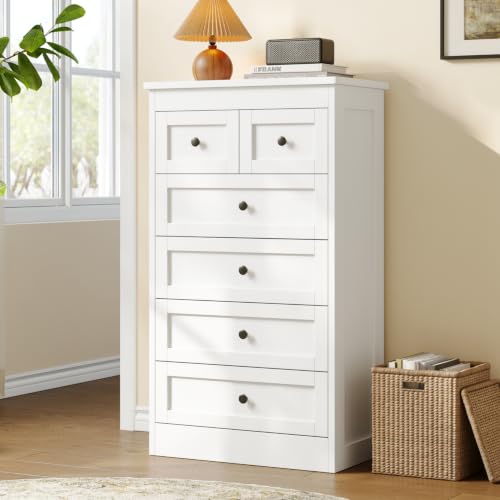
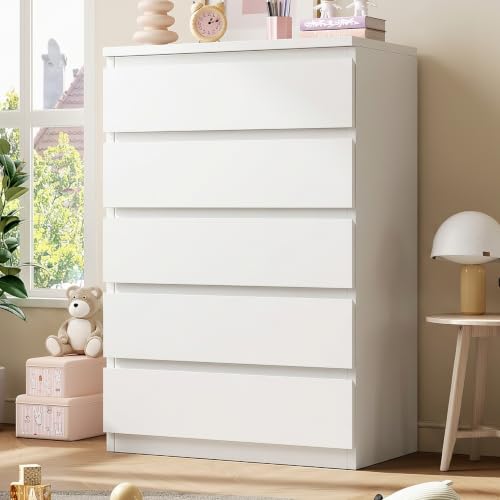
A high dresser—also called a tall dresser, highboy, or tallboy—is a vertically oriented storage piece that makes the most of your bedroom's height rather than its floor space. For anyone dealing with a compact room, a shared apartment, or a layout that leaves little room for wide furniture, a high dresser is a practical and elegant solution.
Unlike a wide horizontal dresser that spreads out along a wall, a high dresser stacks drawers upward. This vertical approach delivers the same storage capacity in a much smaller footprint. If you are comparing options, our guide on horizontal dressers explains the trade-offs between the two layouts.
Beyond space efficiency, high dressers offer ergonomic benefits. The top surface sits at a comfortable height for displaying decor, holding a mirror, or organizing everyday items. The stacked drawer format also encourages a tidy, categorized approach to clothing storage—one drawer for tops, another for bottoms, and so on.
In this guide, we cover everything you need to know before buying a high dresser: sizing, drawer configuration, materials, safety, and styling. By the end, you will have a clear picture of which tall dresser fits your room and your routine.
What Exactly Is a High Dresser?
A high dresser is a storage chest with drawers stacked vertically, typically standing between 45 and 60 inches tall. The term overlaps with "highboy dresser," "tallboy chest," and "chest of drawers." In practice, the labels describe the same idea: a tall, narrow storage unit designed for bedrooms and dressing areas.
The defining feature is the height-to-width ratio. A high dresser is noticeably taller than it is wide, often with a footprint of 30 to 40 inches across. This makes it ideal for corners, narrow walls, and rooms where a wide dresser would block traffic flow or crowd a doorway.
Historically, highboys were traditional furniture pieces with a lower chest section and an upper chest stacked on top. Modern high dressers simplify this into a single tall column of drawers. If you appreciate classic designs, explore our highboy dresser guide for a deeper look at this heritage style.
High Dresser Sizes: Finding the Right Height
Height is the most important dimension when choosing a high dresser. Too short, and you lose the vertical advantage; too tall, and the top drawers become hard to reach. Here is a practical breakdown of common height ranges and what they suit best.
| Height Range | Category | Best For |
|---|---|---|
| 40–45 inches | Compact tall dresser | Small bedrooms, guest rooms, teens |
| 45–52 inches | Standard high dresser | Most adults, primary bedrooms |
| 52–60 inches | Full highboy / tallboy | Tall users, rooms with high ceilings |
| 60+ inches | Extra-tall chest | Statement pieces, large bedrooms |
A good rule of thumb: the top drawer should sit no higher than your shoulder height. That way you can see inside and reach items without stretching or using a step stool. For shared bedrooms, consider the shorter user's reach when selecting a height.
Width and depth matter too. Most high dressers are 28 to 40 inches wide and 16 to 20 inches deep. Before buying, measure your available wall space and doorways. A tall dresser that cannot fit through the bedroom door is a frustrating oversight. Our how to choose a dresser guide walks through the full measuring process.
Drawer Count and Configuration
High dressers typically come with four to six drawers. The configuration affects how you organize your clothing and how easy the dresser is to use day to day.
- Four-drawer high dressers: Each drawer is relatively tall, making them suitable for folded sweaters, jeans, and bulky items. Fewer drawers mean less separation, so consider drawer dividers.
- Five-drawer high dressers: The most common layout. Often includes a mix of drawer sizes—smaller at the top for accessories and larger at the bottom for clothing.
- Six-drawer high dressers: Maximum organization with shallower drawers. Ideal if you prefer to separate categories like socks, undergarments, tops, and bottoms.
Drawer glide quality is just as important as drawer count. Entry-level dressers often use basic side-mounted slides, while mid-range and premium models upgrade to ball-bearing or soft-close mechanisms. Smooth glides make a noticeable difference in daily use, especially in a tall stack where you open drawers frequently.
If you need extra capacity, a highboy chest may offer additional drawer depth or a split-level design. For those who prefer a classic tall column, the standard high dresser remains the most straightforward choice.
Materials and Construction Quality
The material of your high dresser determines its durability, weight, and visual character. Here is how the main categories compare:
| Material | Tier | Characteristics |
|---|---|---|
| Engineered wood (MDF, particleboard) | Entry-level | Uniform finish, lighter weight, requires careful assembly |
| Solid wood (pine, oak, maple) | Mid-range to premium | Durable construction, natural grain, repairable surface |
| Hardwood (walnut, mahogany) | Premium to luxury | Rich grain, heavy-duty build, long-term investment |
| Metal (steel, aluminum) | Mid-range | Industrial aesthetic, sturdy frame, rust-proof finish options |
For a tall dresser, stability is critical. A lightweight engineered wood unit may wobble if not assembled precisely. Solid wood adds weight and a lower center of gravity, which improves stability. If you are shopping for a long-term piece, a high-quality solid wood dresser is a worthwhile investment.
Check the drawer bottoms and back panels as well. Thin panels are a common weak point in entry-level furniture. Reinforced drawer bottoms and dovetail joints signal better construction. For a deeper comparison, see our notes on premium options in the high-end dressers category.
Safety First: Anchoring Your High Dresser
Tall furniture carries a higher tip-over risk than low, wide pieces. This is not a reason to avoid high dressers, but it is a reason to install them correctly. Every high dresser should be anchored to the wall using anti-tip straps or brackets.
Modern dressers often include anti-tip hardware in the box. If yours does not, universal wall-anchoring kits are easy to install and cost very little. Anchor points should go into wall studs whenever possible, not just drywall.
Safety is especially important in nurseries and children's rooms. A kids dresser should always be secured, and drawers should not be left open. Avoid placing heavy items on the top shelf of a tall dresser, as this raises the center of gravity. For nursery-specific guidance, our green dresser nursery article covers safe setup practices.
Popular High Dresser Styles
A high dresser is a prominent vertical element in a bedroom, so its style has a big visual impact. These are the most common design directions:
- Modern and minimalist: Clean lines, flat fronts, and integrated handles. A high-gloss dresser finish adds a sleek, reflective surface that suits contemporary rooms.
- Mid-century modern: Tapered legs, warm wood tones, and subtle hardware. The vertical proportions of a high dresser fit this style naturally.
- Farmhouse and rustic: Distressed finishes, plank details, and simple knobs. Often paired with solid wood construction for a grounded look.
- Industrial: Metal frames, exposed rivets, and reclaimed wood surfaces. An industrial dresser brings a workshop character to the bedroom.
- Traditional and highboy: Ornate detailing, curved fronts, and brass hardware. These designs echo antique furniture and work well in classic interiors.
Color also plays a role. A hunter green dresser makes a bold statement, while neutral tones like grey dresser finishes blend easily with most palettes. For a polished look, consider a high-gloss white lacquer dresser.
Placement and Styling Tips
Because a high dresser is tall, placement matters. Avoid pushing it into a corner where it will feel cramped. Leave a few inches of breathing room on each side so the piece does not crowd the wall. In small bedrooms, a high dresser can sit beside the door or between windows without blocking the view.
Use the top surface intentionally. A high dresser top is at eye level, making it a natural spot for a mirror, a lamp, or a small jewelry organizer. Keep the surface uncluttered—one or two decorative objects are usually enough. A jewelry organizer for dresser top keeps small items contained without adding visual noise.
If the ceiling is low, choose a high dresser on the shorter end of the range to avoid a top-heavy look. In rooms with high ceilings, a full-height highboy can fill the vertical space beautifully. Pair the dresser with a mirror above or beside it to reflect light and make the room feel larger.
For more room-specific ideas, browse our collection of guest bedroom storage ideas and guest room furniture recommendations.
High Dresser Buying Checklist
Before you commit, run through this checklist to make sure the dresser fits your room and your needs:
- Measure height, width, and depth of your available space, including doorways and stairwells.
- Check drawer glide type—ball-bearing or soft-close glides are worth prioritizing.
- Confirm anti-tip hardware is included or available.
- Inspect construction details—dovetail joints, reinforced drawer bottoms, solid back panels.
- Match the finish to your room—consider lighting and existing furniture tones.
- Plan drawer organization—dividers and labels help a tall stack stay tidy.
- Read the assembly requirements—some tall dressers require two people to assemble safely.
If you are still deciding between a tall dresser and a wider unit, our dresser vs chest guide compares the two formats in detail.
Frequently Asked Questions
What is a high dresser?
A high dresser, also known as a tall dresser or highboy, is a vertically oriented storage piece typically standing 45 to 60 inches tall. It features four to six stacked drawers and is designed to maximize vertical space in smaller bedrooms.
How tall should a high dresser be?
The ideal height depends on the user. For comfortable daily use, the top surface should sit around waist to chest height. Most high dressers range from 45 to 60 inches tall, with the top drawer accessible without straining.
Is a high dresser safe for a nursery?
Yes, provided it is properly anchored to the wall. Because tall dressers have a higher center of gravity, anti-tip straps are essential in any household with children or pets. Choose models with sturdy construction and follow all safety guidelines.
What is the difference between a high dresser and a chest of drawers?
The terms are often used interchangeably. A chest of drawers typically refers to a tall, narrow piece with stacked drawers, while a high dresser can be slightly wider. Both prioritize vertical storage over a wide footprint.
How many drawers does a high dresser have?
Most high dressers feature four to six drawers stacked vertically. Some designs include a combination of small and large drawers, while others offer a single column of equal-sized drawers for streamlined storage.
Final Thoughts
A high dresser is one of the most efficient storage solutions for a bedroom. By using vertical space, it frees up floor area while keeping clothing and accessories organized. Whether you choose a minimalist modern piece, a warm mid-century design, or a classic highboy, the key is to match the height to your reach, the material to your durability expectations, and the style to your room.
Take your measurements, check the construction details, and anchor the unit securely. With those steps complete, a high dresser will serve you well for years. For more inspiration, explore our full range of dresser types and bedroom storage guides.