Kids Dresser Buying Guide
Everything you need to choose a safe, durable, and stylish dresser for your child's bedroom — from safety features and drawer counts to materials and long-term value.
Explore Recommended OptionsWhy a dedicated kids dresser matters: Children's furniture must balance safety, durability, and functionality. A well-chosen kids dresser grows with your child, keeps their room organized, and reduces the risk of tip-over accidents when properly anchored.
Safety First: Non-Negotiable Features
When shopping for a kids dresser, safety should be your top priority. Children are naturally curious and may climb on furniture, making stability and anchoring critical. Look for dressers that include anti-tip straps or wall-mounting hardware as standard. The most reputable manufacturers design their children's dressers to meet or exceed voluntary safety standards, which include stability testing under load.
Beyond anchoring, consider drawer stops that prevent drawers from pulling all the way out, rounded corners that minimize injury from bumps, and non-toxic finishes free from harmful chemicals. A kids dresser designed with these features provides peace of mind for parents and a safer environment for children.
- Anti-tip strap or wall-anchoring kit included
- Drawer stops to prevent full removal
- Rounded or beveled edges on top and drawer fronts
- Non-toxic, low-emission finishes and paints
- Sturdy base and balanced weight distribution
- No sharp hardware or protruding handles
Size and Height: Matching Your Child's Reach
One of the most overlooked aspects of buying a kids dresser is height. Your child should be able to reach the top drawers comfortably and safely. For toddlers and young children, a dresser around 30 to 36 inches tall works well — tall enough for adequate storage but short enough for independent access. As your child grows, you may consider a taller model or add a step stool nearby.
Width and depth also matter. Measure your available floor space carefully, leaving room for drawer extension and walking clearance. A deep dresser may seem efficient, but shallow drawers are easier for small hands to organize and access. If space is tight, consider a dresser for small spaces that maximizes storage without overwhelming the room.
Drawer Configuration: How Many and What Type?
The right drawer count depends on your child's age and storage needs. Here's a practical breakdown:
| Configuration | Best For | Typical Use Case |
|---|---|---|
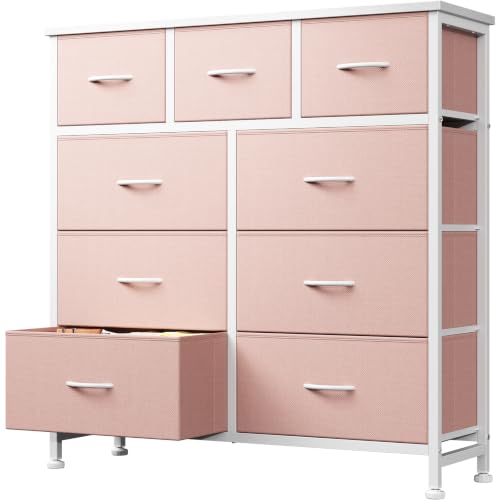
| 3-drawer dresser | Toddlers and preschoolers | Folded clothes, pajamas, and small toys; compact footprint for small rooms |
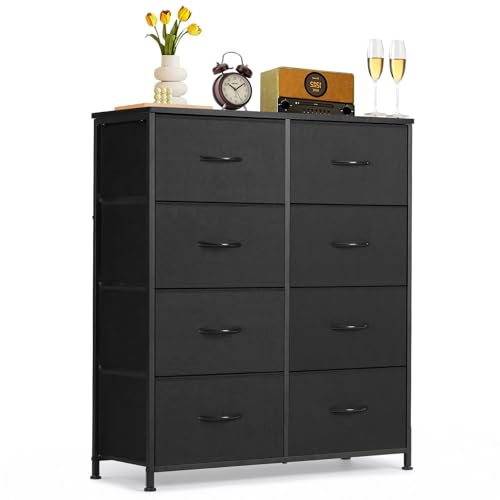
| 4-drawer dresser | Young children to pre-teens | Separate compartments for tops, bottoms, underwear, and accessories |
| 5- or 6-drawer dresser | Shared rooms or growing children | Ample storage for clothing, linens, and school supplies; longer lifespan |
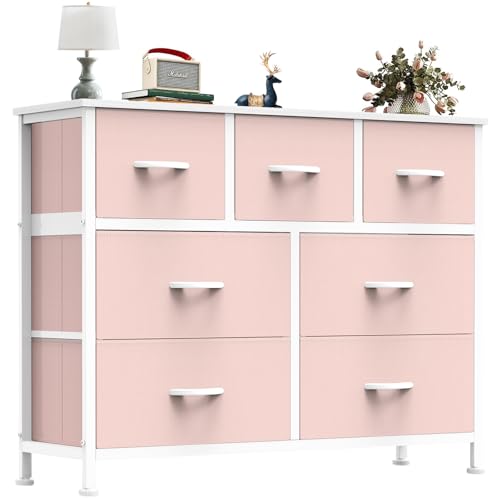
| Wide dresser with deep drawers | Families needing toy storage | Bulky items like blankets, costumes, and board games |
Soft-close drawers are a worthwhile feature for children — they prevent slammed fingers and reduce noise during nap time or bedtime. If your child shares a room with a sibling, soft-close mechanisms are especially valuable. Consider self-closing drawer slides for long-term durability and smooth operation.
Materials and Durability: Built to Last Through Childhood
Children's furniture takes a beating. From crayon marks to accidental kicks, a kids dresser needs to withstand daily wear. Solid wood construction is the gold standard for durability and can be refinished as your child's tastes change. Engineered wood with quality veneers offers a mid-range alternative that balances durability and cost-effectiveness. Avoid particleboard dressers with thin laminates that chip easily.
Consider the finish as well. Matte or satin finishes hide scratches better than high-gloss surfaces. White and light-colored dressers are popular for kids' rooms because they brighten the space and show less dust. For families who want a dresser that transitions from nursery to teen room, a white dresser or a natural wood finish offers timeless versatility.
Solid Wood
Top-tier durability, refinishable, and holds resale value. Heirloom-quality pieces that can be passed down. Ideal for families planning long-term use.
Engineered Wood
Balanced tier option with veneers that resist warping. Lighter weight makes them easier to move, but inspect joints and hardware carefully.
Metal
Entry-level to mid-range options with industrial appeal. Easy to clean and highly durable, but ensure edges are rounded and hardware is secure.
Style and Room Integration
A kids dresser should complement the room's design while reflecting your child's personality. Neutral finishes like white, gray, or natural wood offer longevity — they work in nurseries, toddler rooms, and teenager spaces alike. Accent colors and themed hardware can be swapped as your child's preferences evolve.
If you're designing a cohesive bedroom, consider how the dresser fits with other furniture. A dresser and nightstand set creates a unified look and simplifies shopping. For nursery setups, a green dresser for the nursery adds a calming, nature-inspired touch that works for both boys and girls.
Quality Tiers: What to Expect at Each Level
Understanding the quality tiers helps you set realistic expectations. Here's how kids dressers typically segment across the market:
| Tier | Construction | Best For |
|---|---|---|
| Entry-level tier | Engineered wood, basic hardware, minimal safety features | Temporary setups, guest rooms, or families on a strict allocation |
| Mid-range tier | Solid wood or high-quality engineered wood, soft-close drawers, anti-tip hardware included | Everyday use for growing children; good balance of durability and features |
| Premium tier | Solid hardwood construction, dovetail joints, premium finishes, comprehensive safety testing | Long-term investment pieces that transition from nursery to teen years |
| Luxury tier | Handcrafted hardwoods, custom hardware, heirloom-quality joinery | Design-focused families seeking furniture that lasts generations |
Mid-range tier dressers often provide the best balance for most families — they include essential safety features, durable construction, and styles that appeal to both children and parents. Premium and luxury tiers make sense if you plan to keep the dresser for multiple children or pass it down.
Organization Tips for Kids Dressers
A well-organized dresser encourages children to develop independence and responsibility. Use drawer dividers to separate categories — socks, underwear, shirts, and pants each get their own section. Label drawers with pictures or words for younger children who are learning to read. Rotate seasonal clothing to keep drawers uncluttered and accessible.
For families dealing with musty odors in older or used dressers, our guide on how to remove musty smell from dresser drawers offers practical solutions. Keeping drawers fresh and clean is especially important in children's rooms, where allergies and sensitivities are common.
Frequently Asked Questions
Ready to Find the Right Kids Dresser?
Browse our curated selection of recommended kids dressers and storage solutions below. Each option is evaluated for safety, durability, and practical design.
View Recommendations