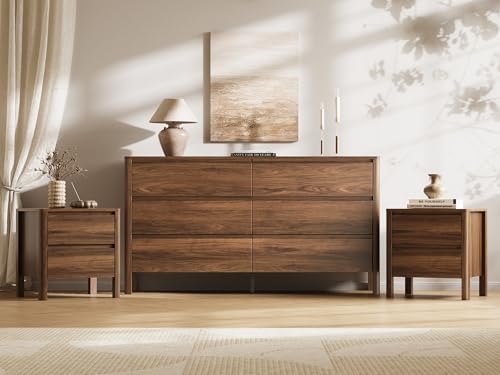
Bedroom Dresser and Nightstand Set: The Complete Guide to a Cohesive Bedroom
Everything you need to know before choosing a matching dresser and nightstand set — sizing, materials, drawer quality, style coordination, and room layout tips that help you buy with confidence.
Explore the Buying GuideWhy a coordinated set matters: A bedroom dresser and nightstand set ties your room together visually while delivering practical storage where you need it most. This guide walks you through the decisions that matter — from measuring your space to evaluating drawer construction — so you can choose a set that fits your room, your routine, and your long-term needs.
Why Choose a Matching Dresser and Nightstand Set?
A coordinated set removes the guesswork from bedroom design. Instead of hunting for pieces that may or may not complement each other, a matching set delivers consistent wood tones, hardware finishes, and proportions from the start. The result is a calmer, more intentional room that feels designed rather than assembled piecemeal.
Beyond aesthetics, sets simplify practical decisions. Drawer heights align, hardware styles match, and the dresser's scale is typically designed to balance the nightstands. If you are furnishing a bedroom from scratch, browsing dedicated bedroom dresser and nightstand sets is often the fastest path to a polished result.
Visual Harmony
Consistent finishes and hardware create a unified look without extra styling effort.
Simplified Shopping
One purchase covers your main storage and bedside surfaces, reducing decision fatigue.
Balanced Proportions
Sets are usually designed so the dresser and nightstands scale together naturally.
Consistent Quality
Drawer glides, joinery, and materials typically match across every piece in the set.
Sizing Your Dresser and Nightstand Set Correctly
Sizing is the single most common source of buyer regret. A dresser that looked right online can crowd a narrow wall, and nightstands that are too tall can feel awkward beside the bed. Measure first, then shop.
Measure the wall and walking clearance
Start by measuring the wall where the dresser will sit, then subtract at least 24 to 30 inches of clearance for walking and opening drawers. For nightstands, confirm the space on each side of the bed — many bedrooms comfortably fit 18 to 24 inch wide nightstands, while tighter rooms may need narrower options.
Match nightstand height to the mattress
Nightstand tops typically sit level with or slightly below the mattress top for comfortable reach. If your bed is unusually tall or low, check the nightstand height against your actual mattress height rather than assuming a standard.
Scale the dresser to the wall
As a general rule, a dresser should occupy roughly two-thirds of the wall width it sits against, leaving breathing room on both sides. For narrow rooms, a tall, compact chest may work better than a wide low dresser. Our guides on bedroom dressers and bedroom dressers and nightstands cover more layout scenarios.
| Room Size | Dresser Approach | Nightstand Approach | Best For |
|---|---|---|---|
| Compact bedroom | Narrow or tall chest | Single compact nightstand | Apartments and small rooms |
| Standard bedroom | Mid-width 6-drawer dresser | Pair of matching nightstands | Most primary bedrooms |
| Large primary suite | Wide dresser with mirror | Pair of full-size nightstands | Spacious rooms with sitting areas |
| Guest or teen room | Mid-tier 5 or 6-drawer dresser | One or two slim nightstands | Flexible secondary bedrooms |
Materials and Construction: What Separates Tiers
Two sets can look identical in photos and feel completely different after a year of daily use. The difference usually comes down to material grade and drawer construction. Use quality tiers rather than numeric figures when comparing options.
Material tiers explained
- Entry-level: Engineered wood with laminated or veneered surfaces. Adequate for guest rooms and light use, but check for reinforced corners and solid drawer bottoms.
- Mid-range: A blend of solid wood frames and engineered panels, often with dovetailed or reinforced drawer boxes. A balanced tier that suits most primary bedrooms.
- Premium: Solid wood construction with quality veneers, metal drawer glides, and consistent finishing. Built for long-term daily use.
- Luxury: Hardwood solids, traditional joinery, soft-close hardware, and hand-finished surfaces. A long-term investment piece.
Drawer construction checklist
Drawers take the most abuse in any bedroom. Look for dovetail or box joints, drawer bottoms at least a quarter inch thick, and metal glides with a smooth, quiet action. Soft-close glides are a hallmark of the high-end tier. For a deeper comparison, see our bedroom dressers and chests guide.
Coordinating Style, Finish, and Hardware
A set works best when its style language matches the rest of the bedroom. Consider the bed frame, flooring, and wall color before committing to a finish.
Modern and Minimalist
Clean lines, flat fronts, and matte finishes. Pairs well with platform beds and neutral palettes.
Traditional
Molded edges, classic hardware, and warm wood tones. Suits upholstered beds and layered textiles.
Farmhouse and Rustic
Distressed finishes, plank details, and dark metal pulls. Works with wood bed frames and natural textures.
Mid-Century
Tapered legs, angled fronts, and walnut or teak tones. Complements low-profile beds and open space.
If you prefer to mix rather than match, keep wood tones within one family and repeat hardware finishes across pieces. Our guide to bedroom furniture dresser and nightstand combinations covers mixing strategies in more detail.
Bedroom Layout Tips for Dresser and Nightstand Sets
Placement affects both function and flow. These layout principles help you get the most from a coordinated set.
- Anchor the dresser opposite the bed when space allows — it creates a balanced focal wall and keeps the walking path clear.
- Keep nightstands symmetrical on either side of the bed for a calm, hotel-like feel. If one side is tight, a slim nightstand can preserve symmetry.
- Leave drawer clearance of at least 24 inches in front of the dresser so drawers open fully without blocking the room.
- Mind door swings — avoid placing the dresser where an open closet or room door will collide with an open drawer.
- Use vertical space — a mirror or wall art above the dresser adds height without adding floor footprint.
For rooms where the bed and dresser share a wall, our bed frame and matching dresser guide offers additional arrangement ideas.
Final Buying Checklist Before You Commit
Run through this checklist before finalizing any set. It takes a few minutes and prevents most returns.
| Checkpoint | What to Verify | Why It Matters |
|---|---|---|
| Dimensions | Measure wall width, clearance, and mattress height | Prevents crowding and awkward reach |
| Drawer action | Test glides, stops, and soft-close if possible | Daily usability and long-term durability |
| Finish consistency | Confirm dresser and nightstands share the same finish batch | Avoids visible color mismatch |
| Hardware | Check pull attachment points and spare parts availability | Easier replacement and upgrades later |
| Assembly | Review assembly requirements and included tools | Sets time and effort expectations |
| Return policy | Confirm return window and conditions | Protects against sizing surprises |
Frequently Asked Questions
What should I look for in a bedroom dresser and nightstand set?
Focus on consistent finish and hardware, proportional sizing between the dresser and nightstands, drawer glide quality, and material durability. The set should feel cohesive without overwhelming the room.
How do I choose the right size dresser and nightstand for my bedroom?
Measure your wall space and leave at least 24 to 30 inches of walking clearance. Nightstands should be roughly the same height as your mattress top, while the dresser should scale to your wall width and storage needs.
Is it better to buy a matching set or mix and match?
A matching set creates visual harmony and simplifies shopping. Mixing pieces works well when you match wood tones or finishes and keep proportions consistent across the room.
Do nightstands need to match the dresser exactly?
They do not have to be identical, but they should share a finish family, hardware style, or wood tone. A coordinated set is the easiest way to achieve that consistency.
How many drawers should a bedroom dresser have?
Most primary bedrooms work well with 6 to 8 drawers across the dresser, plus nightstand drawers for bedside essentials. Larger households or shared rooms may benefit from additional storage.