
Vintage Tool Chest: A Complete Buying & Storage Guide
From machinist chests to antique carpenter boxes — learn how to identify quality, choose the right style, and put a vintage tool chest to work in your home or workshop.
Why a vintage tool chest? These compact, multi-drawer pieces were built by craftsmen for craftsmen — and that heritage shows in every dovetail joint, felt-lined drawer, and solid-wood carcass. Today a well-chosen vintage tool chest doubles as workshop storage, a collector's display, or a character-rich accent piece for a study, hallway, or bedroom. This guide walks you through the styles, materials, and inspection points that separate a genuine heirloom from a decorative reproduction, so you can buy with confidence.
What Counts as a Vintage Tool Chest?
A vintage tool chest is a wooden or metal storage case originally designed to organize hand tools — but its drawer-heavy, compact form has made it a favorite in interiors today. Unlike a standard vintage chest of drawers, a tool chest is typically defined by:
- Shallow, numerous drawers — often 6 to 12 tiers, sized for chisels, planes, and small parts rather than clothing.
- A lift-top or lid — many machinist and carpenter chests include a top compartment for saws or long tools.
- A portable or semi-portable footprint — deeper and narrower than a dresser, sometimes with side handles.
- Utility-first construction — solid wood carcasses, dovetail or finger joints, and metal hardware meant to survive daily use.
The term overlaps with vintage drawers and antique storage furniture more broadly, so when shopping you'll often find tool chests listed alongside vintage chests and vintage wood dressers. Knowing which form factor you want — a machinist chest for display or a large carpenter's chest for a workshop — is the first decision to make.
Styles & Types to Know
Vintage tool chests come in a handful of recognizable formats. Each has its own storage logic and aesthetic personality:
| Style | Typical Layout | Best For |
|---|---|---|
| Machinist chest | Many shallow drawers, felt lining, lift-top lid, folding front panel | Display collections, jewelry, small parts, desk-side storage |
| Carpenter's chest | Wide lower drawers, deep top well, heavy frame | Workshop tools, bulky items, garage storage |
| Geramond / tool cabinet | Tall cabinet with stacked drawers and doors | Floor-standing workshop storage, entryway organization |
| Journeyman's chest | Medium drawer count, removable tills, portable handles | Apartment workshops, hobby storage, travel-style display |
| Reproduction / revival chest | Vintage-inspired new build, often simplified joinery | Buyers who want the look without restoration work |
If your space leans toward bedroom or hallway use, pair the chest with pieces from our vintage style dresser guide so the proportions and finishes read as a cohesive collection rather than an odd one out.
Materials & Construction
The material story of a tool chest tells you almost everything about its durability and how much restoration it will demand.
Solid wood — oak, walnut, and pine
Traditional chests were built from dense hardwoods. Oak and walnut offer the stiffest carcasses and hold dovetail joints beautifully; pine is lighter and easier to repair but dents more readily. A solid-wood chest with hand-cut dovetails is the benchmark of quality. For a broader look at wood-first construction, see our vintage oak dresser and vintage pine dresser references.
Metal chests
Industrial-era steel chests are heavy-duty and nearly indestructible, often with friction-slide or ball-bearing drawers. Check for rust at the base and drawer runners — surface patina is fine, but structural corrosion is not.
Joinery and hardware
- Dovetail joints at drawer corners indicate hand or high-grade machine construction and resist racking.
- Reinforced bottoms — look for drawers with a center support or thicker ply bottom, especially in wider drawers.
- Original pulls and locks — original hardware adds authenticity; replacements are acceptable if they match the era and fit cleanly.
- Felt or baize lining — a sign of a machinist-style chest and a plus for protecting delicate contents.
Quick quality signal
Run a finger along a drawer's dovetail corners and the inside of the carcass. Smooth, tight joinery with no gaps or filler is the strongest single indicator that a vintage tool chest was built to last — and will survive another generation of use.
Drawer Layouts & Storage Capacity
Storage capacity in a tool chest is governed less by overall size and more by drawer geometry. Two key questions drive the decision:
- How deep are the drawers? Shallow drawers suit small items and display; deep drawers swallow bulky tools and linens. If you need deep capacity, compare our notes on a vertical dresser with deep drawers.
- How is the drawer movement supported? Older chests use wooden or friction runners; many restored chests are retrofitted with modern slides. Heavy contents call for robust hardware — our guide to heavy-duty vertical drawer slides explains what to look for.
For a tool chest specifically, a good layout to aim for is: a top lift-lid compartment for long items, several narrow drawers for hand tools, and at least one deeper drawer for larger equipment. If you plan to convert a tall chest into closet-style storage, a vertical dresser format gives you the same stacking logic with bedroom-friendly proportions.
How to Inspect a Vintage Tool Chest Before Buying
Whether you're shopping a marketplace listing or a local antique fair, a systematic check saves you from hidden repair work. Work through this checklist in order:
1. Carcass and frame
- Press diagonally across the front to check for racking — a good chest should feel rigid.
- Look for splits along the back panel and sides; hairline cracks are normal, through-splits are not.
- Check that the feet or base are intact and level.
2. Drawers
- Open and close every drawer — they should glide without falling out or catching.
- Inspect dovetails and drawer bottoms for separation or water damage.
- Confirm the drawer faces sit flush and the gaps are even; uneven reveals signal warping.
3. Hardware and finish
- Test every lock and latch; missing keys are common but note whether the lock is functional.
- Check for active woodworm (small exit holes with fresh dust) — avoid if present.
- Assess the finish: original patina is desirable, but peeling veneer or heavy paint hiding damage is a warning sign.
If you're comparing a tool chest against other antique storage formats, our notes on second-hand vintage chest of drawers and the vintage apothecary cabinet market offer useful context on what condition to expect at each tier.
Restoration & Care Tips
A vintage tool chest rarely needs a full rebuild to serve well. Prioritize conservation over renovation:
- Clean, don't strip. Start with a soft brush and a damp cloth; only use a mild wood cleaner on finished surfaces.
- Stabilize loose joints with hide glue rather than modern epoxy, which is hard to reverse later.
- Lubricate runners with paraffin wax on wood slides, or a dry lubricant on metal slides — avoid oily sprays that attract dust.
- Control humidity. Keep the chest away from direct heat and damp; 40–50% relative humidity keeps wood stable.
- Refinish sparingly. If you choose to repaint, study our guide to using chalk paint on furniture for a reversible, period-appropriate approach.
If the chest is destined for a bathroom or utility area, review our upcycled furniture for bathroom ideas for moisture-resistant finishing techniques.
Using a Vintage Tool Chest as Decor
The tool chest's compact, multi-drawer silhouette makes it surprisingly versatile outside the workshop. A few proven placements:
Study or home office
Set a machinist chest on a desk or console as a stationery and small-parts organizer. The felt-lined drawers protect pens, chargers, and camera gear.
Entryway
A journeyman's chest works as a shallow-depth catch-all near the door — gloves, keys, and mail in dedicated drawers instead of a cluttered tray.
Bedroom accent
Smaller chests can sit atop or beside a dresser as a jewelry and accessory layer. If you're building a vintage bedroom set, pair it with a vintage dresser and nightstand set or a vintage white dresser for a cohesive palette.
Workshop or garage
This is the chest's native habitat — wall-mounted or on casters, it keeps tools sorted and visible. For permanent fixtures, a wall-mounted dresser approach can save floor space.
Collectors also cross-shop the tool chest against a vintage wooden trunk and unique dresser pieces when hunting for one-of-a-kind storage — the tool chest wins when drawer count and shallow access matter most.
Quality Tiers at a Glance
Rather than anchoring to any specific figure, think about where a piece sits in the market by construction quality and completeness. Use these universal tiers when comparing options:
| Tier | What to Expect | Best For |
|---|---|---|
| Entry-level | Reproduction or heavily repaired chest; simplified joinery, mixed hardware, some cosmetic flaws | Decorative use, first vintage purchase, light storage |
| Mid-range | Genuine vintage with solid carcass, most original hardware, minor restoration needed | Everyday workshop use, display, balanced tier choice |
| Premium | Complete, original, hand-cut dovetails, intact felt lining and locks, strong patina | Collectors, serious workshop storage, long-term investment |
| Luxury | Museum-grade machinist or cabinetmaker chest with provenance, near-original condition | High-end display, heirloom acquisition |
Within a given tier, prioritize structural integrity over cosmetic perfection. A mid-range chest with sound joinery will outlast and outperform an entry-level piece with a prettier finish — and it is generally the more efficient choice in the long run for anyone who plans to actually use the drawers.
Frequently Asked Questions
What is the difference between a vintage tool chest and a chest of drawers?
A tool chest is purpose-built for hand tools: it typically has more, shallower drawers, a lift-lid top, and a compact, portable footprint. A chest of drawers — including a vintage chest of drawers — is sized for clothing and linens, with fewer but deeper drawers and a floor-standing frame. The two overlap in construction quality but differ in drawer geometry and intended use.
Are vintage tool chests suitable for everyday bedroom storage?
Yes, with caveats. A larger carpenter's or journeyman's chest can hold folded clothing in its deeper drawers, but shallow tool drawers are best for accessories, jewelry, and small items. If bedroom storage is the primary goal, a dedicated vintage dresser set is usually more practical; a tool chest works best as a complementary accent piece.
How can I tell if a tool chest is genuinely vintage or a reproduction?
Check the joinery, hardware, and finish. Genuine vintage chests show hand-cut or early machine dovetails, period-correct pulls and locks, and layered patina. Reproductions often use simpler butt or dowel joints, modern screws, and uniform factory finishes. Look at the drawer sides and the underside for tool marks and wear patterns consistent with age.
What should I look for when buying a used machinist chest?
Prioritize intact felt lining, smooth drawer action, complete locks and keys, and sound dovetail joints. Check for water damage and active woodworm, and confirm the lift-lid hinge operates without binding. For a deeper checklist on antique storage pieces, see our guide to a second-hand vintage chest of drawers.
Can a vintage tool chest be repainted or refinished?
It can, but conservation-first is the better approach for genuine antiques. Clean and stabilize before considering refinishing, and use reversible finishes such as shellac or chalk paint when you do. Our guide to using chalk paint on furniture walks through a reversible method that preserves value.
What are common restoration problems with vintage tool chests?
The most frequent issues are loose dovetail joints, warped drawer bottoms, missing or broken pulls, and worn runners. Less common but more serious are through-splits in the carcass, water damage at the base, and active insect infestation. Minor issues are repairable; structural splits and active woodworm are usually reasons to walk away unless you're prepared for a full rebuild.
How should I maintain a vintage tool chest over time?
Keep it out of direct sunlight and away from damp, dust drawers regularly, and lubricate runners with paraffin wax or a dry lubricant. Avoid silicone sprays and oil-based products that attract dust. Check hardware tightness annually and stabilize any loose joints promptly with hide glue before they worsen.
Ready to Find Your Vintage Tool Chest?
Browse our curated selection of vintage and vintage-style tool chests, then compare drawer layouts, materials, and tiers side by side. Each listing links directly to the retailer so you can verify condition and availability before you decide.
Explore Recommended OptionsRecommended Vintage Tool Chests & Storage Picks
⚠️ AFFILIATE DISCLOSURE: This website contains affiliate links. As an Amazon Associate, we earn from qualifying purchases. If you make a purchase through these links, we may receive a small commission at no additional cost to you. Read our full affiliate policy.

VEVOR Rolling Tool Chest, 2-in-1 Design, 5 Drawers Tool Cabinet Organizer with Detachable Top Metal Toolbox, Lock Bar, Protective Liner, and Tools Rack, Garage Storage Cabinet for Warehouse, Workshop
Check price on Amazon
INWINACALT Oak Tool Chest, 8-Drawer Portable Storage with Chrome Hardware | Interlocking joint oak design, ideal for tools/jewelry/crafts/sewing, perfect for DIY enthusiasts and collectors
Check price on Amazon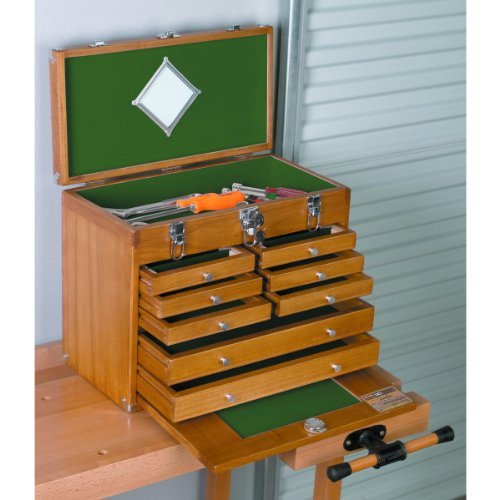
8 Drawer Wood Tool Chest Special by Windsor Design
Check price on Amazon
Kraftgen 7-Drawer Lockable Rolling Tool Chest, Green | Heavy Duty Steel Tool Chest with Wheels,Drawer Liners,Enhanced Packaging for Garage,Workshop,Mechanic,Shop
Check price on Amazon
Vintage 5-Drawer Wooden Desk Organizer - Craft Storage - Rustic Shelf Drawer - Home Bedazzling, Rhinestone Organizers and Accessories - Embroidery Floss - Apothecary Cabinet, Art Storage I Stackable
Check price on Amazon
Workington Professional Industrial Portable Metal Tool Chest with 9 Drawers, 26" 9-Drawer Tool Chest Cabinet with Ball Bearing Drawer Slides, Steel Tool Storage Box Organizer 4016 Black
Check price on Amazon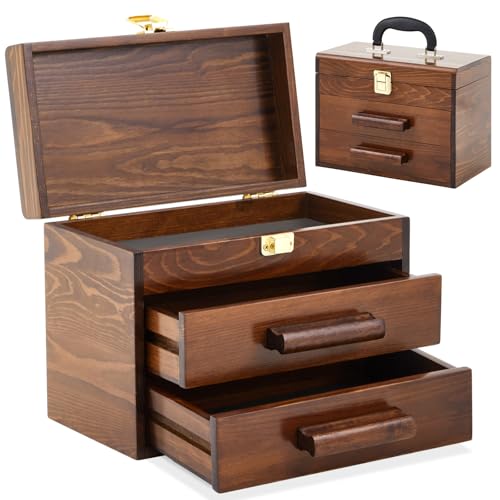
11 Inch Mini Wooden Tool Box with 2 Drawers and Top Storage, Wooden Color | Mini Toolbox with Drawers Portable Small Tool Chest with PVC Liners, Mini Storage Organizer Box with Metal Latch Closure
Check price on Amazon