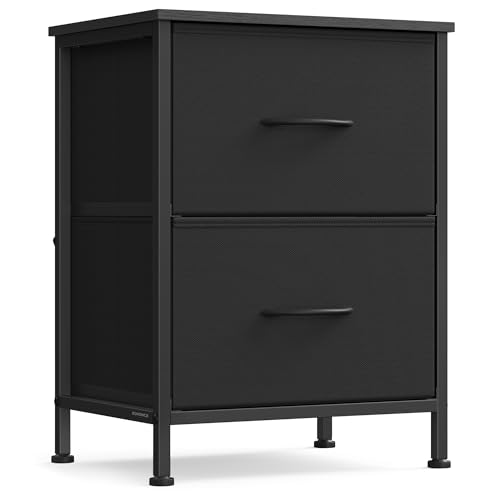
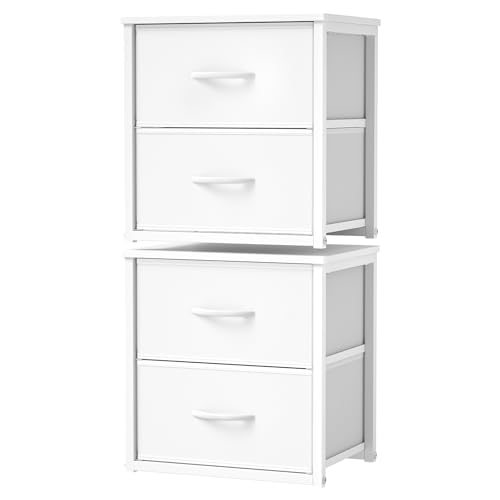
Tiny Dresser: Compact Storage That Works Harder
Small footprint, real storage. Everything you need to choose a tiny dresser for tight bedrooms, apartments, closets, and dorm rooms.
Why a tiny dresser makes sense: Not every room can fit a wide, six-drawer dresser — and not every room needs one. A tiny dresser delivers focused storage in a footprint that often measures less than a nightstand. For renters, students, and anyone living in a compact space, it is often the difference between a cluttered room and an organized one. This guide breaks down sizes, drawer layouts, materials, and placement so you can decide with confidence before you shop.
What Counts as a Tiny Dresser?
There is no official standard, but in the furniture world a dresser is generally considered tiny when it stays under roughly 30 inches in width and 40 inches in height. Below that threshold, storage pieces start overlapping with nightstands and accent chests — which is exactly the point. A tiny dresser is often a hybrid: small enough to sit beside a bed, structured enough to hold a real clothing rotation.
Common tiny dresser profiles include:
- Narrow upright dressers — tall and slim, usually 18–24 inches wide, with 3–5 stacked drawers. These trade width for height, making them ideal for wall segments between doors or windows.
- Low compact dressers — short and wide-ish, often 24–30 inches wide with 2–3 drawers. These double as console tables, TV stands, or entryway storage.
- Skinny closet dressers — designed specifically to slide into closet footprints or beside hanging rails, often under 20 inches deep.
- Under-bed and dorm dressers — low-profile units built to slide under a lofted bed or fit a dorm room footprint.
If you are weighing a narrow vertical model against a wider but shorter one, our breakdown of tall skinny dressers for the bedroom explains the trade-offs clearly. For pure closet integration, the tall skinny dresser for closet guide covers depth and clearance in detail.
Tiny Dresser Dimensions: What Fits Where
Measurement is the single most important step before buying a tiny dresser. A piece that is two inches too wide will not fit, and a piece that is one inch too deep can block a door. Use this reference table as a starting point, then verify against your own room.
| Category | Typical Width | Typical Depth | Typical Height | Best For |
|---|---|---|---|---|
| Micro / nightstand hybrid | Under 20 in | 14–16 in | 22–30 in | Bedside, dorm rooms, tight corners |
| Skinny upright dresser | 18–24 in | 15–18 in | 40–50 in | Closets, narrow wall runs, apartments |
| Compact low dresser | 24–30 in | 16–18 in | 28–34 in | Entryways, TV stands, small bedrooms |
| Small 3-drawer dresser | 28–32 in | 16–18 in | 30–36 in | Kids rooms, guest rooms, secondary storage |
Depth is the dimension people forget. Standard dressers are 18–20 inches deep; many tiny dressers trim that to 14–16 inches, which is what allows them to sit in hallways and closets without blocking traffic. If your space is constrained in more than one direction, our guide to thin dressers for small spaces and tall narrow dressers for small spaces both explore the slim-depth category further.
How Many Drawers Do You Actually Need?
Drawer count on a tiny dresser matters less than drawer volume. Two deep drawers can hold more than four shallow ones. Before choosing, sort what you plan to store into three groups:
- Folded clothing — needs at least one deep drawer, ideally 6–8 inches of interior depth.
- Small items — socks, underwear, accessories. Shallow drawers of 3–5 inches work well and are easier to keep organized.
- Bulky items — sweaters, bedding, or jeans. These need the deepest drawer in the unit, or an alternative storage solution.
A practical configuration for a tiny dresser is one deep drawer plus two or three shallow ones. If you need more drawer real estate than a compact unit can offer, look at tall dressers with lots of drawers — they use vertical space to multiply drawer count without widening the footprint. Similarly, a two-drawer dresser can be surprisingly efficient if the drawers are generously sized.
Materials and Build Quality: What to Look For
Small does not have to mean flimsy. In fact, because tiny dressers are often moved more frequently — between apartments, dorm rooms, and closets — build quality deserves extra attention. Use these universal quality tiers when comparing options:
| Tier | Typical Construction | Best For |
|---|---|---|
| Entry-level tier | Engineered wood panels, basic metal slides, cam-lock assembly | Temporary setups, dorms, guest rooms |
| Mid-range tier | Engineered wood with wood veneer, upgraded slides, reinforced joinery | Primary bedroom storage, apartments |
| Premium tier | Solid wood frames, dovetail or dowel joinery, soft-close slides | Long-term use, heirloom-style pieces |
| Luxury tier | Hardwood construction, hand-finished surfaces, premium hardware | Design-forward rooms, investment pieces |
Two quality signals are worth checking on any tiny dresser. First, the drawer slides: entry-level units often use friction or single-extension slides, while mid-range and premium models use ball-bearing or soft-close mechanisms that stay smooth over years of use. If smooth operation matters to you, our guide to super heavy-duty drawer slides explains what separates the tiers. Second, overall sturdiness: a compact dresser that wobbles is a poor investment regardless of its looks. The sturdy dresser guide covers frame construction and stability checks in depth.
For wood options, compact dressers are commonly built in pine, oak, walnut, and teak. Pine is the lightest and easiest to move; oak is the most abrasion-resistant; walnut and teak sit at the premium end. If you are drawn to natural wood, the tall narrow chest of drawers in solid wood and tall narrow solid wood dresser pages are useful references for what solid construction looks like in a slim profile.
Where a Tiny Dresser Works Best
Placement turns a compact dresser from a compromise into a design feature. These are the placements that consistently work well:
1. As an Oversized Nightstand
A 20-inch-wide dresser with two or three drawers can replace a nightstand entirely, giving you bedside storage for clothing instead of just a lamp and a book. This is the most common use for tiny dressers in small primary bedrooms. Pair it with a matching nightstand set if you want visual symmetry on the other side of the bed.
2. Inside or Beside a Closet
Closets are where skinny dressers truly earn their keep. A unit under 18 inches deep can sit beneath hanging rails without stealing usable hanging space, and it keeps folded items off open shelves. The tall closet dresser and storage dresser guides both cover closet-specific configurations.
3. In a Corner or Narrow Wall Run
The awkward wall segment between a door and a window is often 24–30 inches wide — exactly the footprint of a tiny dresser. Use it rather than leaving it empty. If you also need a spot for a television, a TV dresser for the bedroom combines both functions in one compact unit, and a swivel stand for a TV on a dresser solves the viewing-angle problem in tight rooms.
4. In a Kids Room or Nursery
Compact dressers are the default choice for nurseries and children's rooms, where a full-size dresser would overwhelm the space. If you are outfitting a nursery, the tall changing table with drawers and tall chest of drawers with changing table guides cover the two-in-one options.
5. In an Apartment or Dorm Room
Renters and students benefit most from compact, movable storage. A tiny dresser that fits under a lofted bed or in a dorm closet solves the problem without requiring built-ins. For under-bed configurations, see the under bed storage guide.
Getting More Out of Less: Organizing a Tiny Dresser
A small dresser is only as useful as its internal organization. A few principles make a compact unit feel twice as large:
- Fold vertically, not in stacks. File-folding clothing into drawers lets you see every item at a glance and uses the full depth of the drawer instead of the top two inches.
- Use drawer dividers. Dividers convert one wide drawer into three or four compartments, which is especially valuable when drawer width is the only thing a tiny dresser has to offer.
- Reserve the top drawer for small items. Socks, accessories, and jewelry belong in the shallowest drawer, where they are easy to reach and easy to keep tidy.
- Rotate seasonally. A tiny dresser is not designed for a full year of clothing. Store off-season items elsewhere and keep only the current rotation inside.
If drawer organization is your main concern, the drawer organization ideas guide and the dresser organization guide both go deeper into compartment layouts and folding methods.
Common Mistakes When Buying a Tiny Dresser
- Skipping the depth measurement. Width gets all the attention, but depth is what blocks doors and walkways. Measure depth with the drawer open, not just closed.
- Buying for today's room only. A tiny dresser is often moved between rooms and apartments. Choose a durable build even if the current space is temporary.
- Overloading shallow drawers. Shallow drawers are for small items, not sweaters. Match the drawer depth to the contents.
- Ignoring door swing and drawer clearance. A dresser that fits the wall but cannot open its drawers is not actually a solution.
- Assuming tiny means unstable. Compact dressers vary widely in build quality. Check frame construction and drawer slide type before committing.
Frequently Asked Questions
What is a tiny dresser?
A tiny dresser is a compact storage piece typically measuring under 30 inches in width and 40 inches in height. It is designed for small bedrooms, apartments, closets, and other tight spaces where a full-size dresser would not fit.
How many drawers should a tiny dresser have?
Most tiny dressers feature 2 to 4 drawers. A three-drawer model is the most common configuration, offering a balance between storage capacity and a compact footprint. Some tall, narrow designs pack in 5 or more shallow drawers.
Can a tiny dresser hold adult clothing?
Yes. A tiny dresser with deep drawers can hold folded adult clothing, though capacity is limited. It works best for a capsule wardrobe, seasonal rotation, or as a secondary storage piece alongside a closet.
Where should I place a tiny dresser in a small bedroom?
Common placements include beside the bed as an oversized nightstand, inside a closet, in a corner nook, or along a narrow wall. Measure your floor space and door swing clearance before choosing a spot.
Tiny Dresser Buying Checklist
Before you commit to any compact dresser, run through this list:
- Measure the wall width, floor depth, and door swing clearance of your intended spot.
- Measure the dresser with its drawers fully open — not just closed.
- Confirm the drawer interior depth against what you plan to store.
- Check the drawer slide type: ball-bearing or soft-close for smoother long-term use.
- Verify the frame construction — engineered wood is fine for light use, solid wood for long-term use.
- Decide whether you need a flat top for a TV, lamp, or decorative display.
- Consider future moves: weight and assembly method matter for renters and students.
If you want to compare against other compact categories before deciding, the tall dresser and tall dressers guides cover the next size up, while the tall narrow dresser with drawers page focuses on the slim-depth sweet spot.
The Bottom Line
A tiny dresser is not a compromise — it is a deliberate choice for spaces where every inch counts. The right compact dresser gives you real, organized storage without consuming a room. Prioritize depth measurements, drawer volume over drawer count, and build quality that survives a move or two. With those three factors settled, the rest is style.
Ready to compare compact storage options? The recommendations below are drawn from the tiny dresser category and updated to reflect what is currently worth considering.