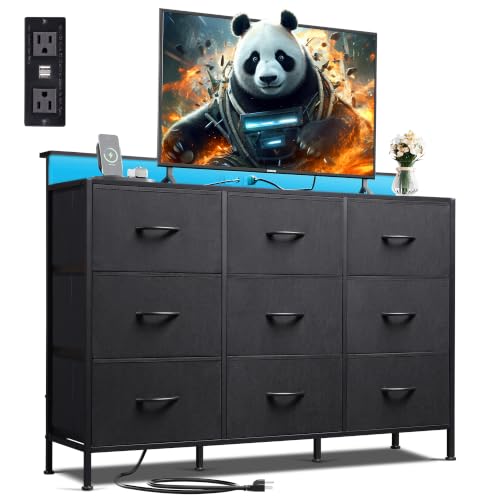
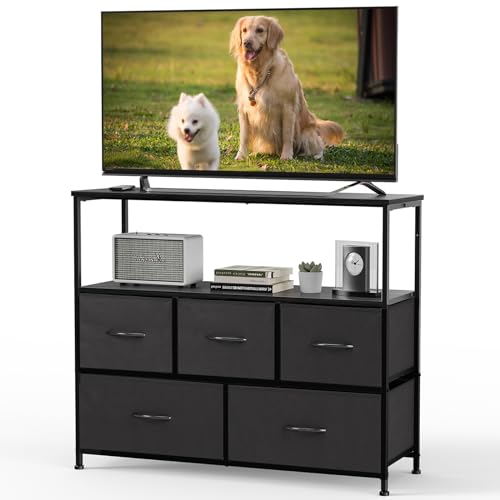
TV Dresser for Bedroom: The Complete Guide to Dual-Purpose Storage
A well-chosen TV dresser lets you enjoy entertainment and organized storage in the same footprint. This guide explains sizing, materials, safety, and styling so you can choose a bedroom piece that works for years.
What Is a TV Dresser?
A TV dresser is a bedroom storage piece designed or adapted to hold a television on top while keeping clothing and accessories organized in drawers below. It combines two functions that bedroom owners often need in the same spot: entertainment and storage. Instead of placing a separate media console and a dresser side by side, you get one piece that serves both purposes.
The concept works because the dimensions overlap nicely. A dresser already offers a wide, flat top surface and a stable base. With attention to weight capacity, top depth, and viewing height, many dressers make excellent TV stands. The best examples are built with reinforced tops, smooth drawer glides, and a footprint that leaves comfortable walking space around the bed.
If your bedroom is on the smaller side, a dual-purpose approach is especially valuable. You can explore compact options such as a small space dresser or a wide dresser to match the proportions of your room and television. The goal is a setup that feels intentional rather than crowded.
Why Choose a TV Dresser for Your Bedroom
Bedrooms are multi-purpose rooms. They need to support rest, dressing, and often relaxation in front of a screen. A TV dresser helps you get more from the floor space you already have. Here are the main benefits bedroom owners report:
- Space efficiency: One footprint replaces two pieces of furniture, which matters in apartments, guest rooms, and smaller primary bedrooms.
- Visual calm: A single coordinated piece reduces clutter and creates a cleaner sightline from the bed.
- Convenient storage: Remotes, cables, and streaming devices can live in a dedicated drawer, keeping the top surface tidy.
- Better cable management: Drawers and back panels give you places to route cords out of sight.
- Design flexibility: With the right proportions, the piece can anchor the room and double as a display surface for decor.
For rooms where a full media console feels too large, a compact storage chest with drawers can serve the same role while blending into a traditional bedroom layout. The key is matching the piece to your actual viewing distance and the size of your television.
Sizing and Proportions: Matching Dresser to TV and Room
Proportion is the single biggest factor in whether a TV dresser looks and feels right. A television that overhangs the dresser looks unstable, while a dresser that dwarfs the screen can feel heavy. As a general guideline, choose a dresser that is at least as wide as the television and ideally a few inches wider on each side.
| TV Screen Size | Suggested Dresser Width | Best For |
|---|---|---|
| 32 to 40 inches | 42 to 48 inches | Guest rooms, compact bedrooms, starter setups |
| 43 to 50 inches | 48 to 56 inches | Standard primary bedrooms with moderate space |
| 55 to 60 inches | 58 to 64 inches | Larger bedrooms with generous walking clearance |
| 65 inches and above | 66 inches or wider | Spacious bedrooms or dedicated media zones |
Depth matters too. The top should be deep enough that the TV base sits fully on the surface with a little room to spare. For wall-mounted televisions, the dresser still needs to be wide enough to feel anchored beneath the screen. A tall double dresser or a white wide dresser can work well for mid-size screens, provided the height is comfortable.
Finding the Right Viewing Height
Viewing comfort from bed depends on the relationship between mattress height, dresser height, and your reclining eye level. If the television sits too low, you may strain your neck. If it sits too high, you may look upward for long periods. In most bedrooms, a dresser height between 28 and 34 inches works well for a standard mattress.
Here is a simple way to check before you commit:
- Sit or lie on your bed in your usual viewing position.
- Have someone hold a tape measure at your eye level.
- Estimate where the center of the screen would land with the dresser in place.
- Adjust for your preference: some viewers prefer the screen slightly above eye level, others prefer it closer to level.
If you plan to wall-mount the television above the dresser, the dresser height becomes less critical for viewing but still matters for storage ergonomics and visual balance. A piece such as a small chest dresser can sit beneath a wall-mounted screen and keep the lower half of the wall visually grounded.
Materials and Build Quality
A dresser holding a television needs to be sturdier than a purely decorative piece. The top surface must resist weight and the frame must stay rigid when drawers open. Construction quality varies widely, and understanding the tiers helps you match the piece to your needs.
Solid Wood
Solid wood dressers offer the most durable construction and the best long-term investment. Hardwoods such as oak, maple, and walnut resist wear and can be refinished if needed. A solid wood chest of drawers for bedroom is a strong candidate for a TV setup because the top and frame hold weight predictably. If you want a specific look, a solid wood mid-century modern dresser pairs clean lines with durable materials.
Engineered Wood
High-quality engineered wood with reinforced joinery is a solid mid-range option. It is more dimensionally stable than solid wood in humid rooms and can be finished to look like real timber. The important detail is the joinery: dowels, cam locks, and reinforced corner blocks make a meaningful difference. Our comparison of solid wood vs engineered construction explains where each type performs best.
Entry-Level Particleboard
Entry-level particleboard models can work for lighter televisions, but they should be checked carefully for weight capacity and stability. Look for a thick top panel, a back panel that stiffens the frame, and drawer glides that do not sag. These pieces are best suited to smaller screens and lighter use.
Styles That Work in Bedrooms
The right style depends on your existing bedroom decor, but a few categories consistently work well as TV dressers because they combine a broad top with generous storage.
Mid-Century Modern
Clean lines, tapered legs, and a low profile make mid-century designs natural media-friendly pieces. They tend to keep the television at a comfortable height and look elegant from the bed. A vintage mid-century modern dresser can add warmth, while new-production pieces offer similar lines with modern hardware.
Modern and Minimalist
Handle-free fronts and flat planes create a calm backdrop for a screen. A white modern dresser for bedroom works well in bright rooms, while darker finishes ground a moodier space. Minimalist designs also make cable management easier because there are fewer visual distractions.
Farmhouse and Traditional
Farmhouse and traditional dressers offer deep drawers and substantial tops. A white farmhouse chest of drawers can hold a television comfortably while providing generous clothing storage. These styles pair well with woven baskets and soft textiles.
Tall and Vertical Options
Tall dressers are usually poor TV stands because they raise the screen too high, but they work well as companion storage in a bedroom where the television is wall-mounted. A tall 5 drawer dresser can sit beside the media zone and keep smaller items organized.
Safety and Stability
Safety deserves more attention than it usually gets in furniture guides. A dresser holding a television is heavier at the top and therefore more prone to tipping if it is pulled or climbed on. Anti-tip anchoring is not optional for households with children or pets.
- Use the anti-tip strap or bracket that ships with the dresser, and anchor it into a wall stud.
- Place heavier items in lower drawers to keep the center of gravity low.
- Avoid hanging bags or cables from the drawer fronts, which can pull the piece forward.
- Keep the television base centered on the dresser top rather than near the edge.
- Check drawer glides periodically and tighten hardware as needed.
If you are shopping for a nursery or a child's room, look for pieces with locking drawers and confirmed tip-over testing. A tall dresser with locking drawers can add an extra layer of safety in family bedrooms, though tall models are still best kept away from the television itself.
Drawer Organization for a Dual-Purpose Piece
When a dresser serves double duty, organization becomes even more important. A dedicated drawer for media accessories keeps the top clear and prevents cables from tangling with clothing.
A Simple Drawer Plan
- Top drawer: Remotes, streaming device, spare batteries, and a small cable pouch.
- Second drawer: Everyday clothing or loungewear for easy access.
- Middle drawers: Folded tops, activewear, or accessories sorted with dividers.
- Bottom drawers: Bulky items such as jeans, sweaters, or off-season clothing.
Drawer dividers and stackable inserts make a noticeable difference. A stackable dresser drawer organizer helps separate small items without adding bulk. If your bedroom has limited closet space, a small chest of drawers for closet can handle overflow and free up dresser space for media storage.
For cable management, route cords through the back of the dresser if there is a gap, or use adhesive cable clips along the rear edge. Keeping the top surface free of clutter also makes the room feel calmer at night.
Common Mistakes to Avoid
Most disappointing TV dresser setups come from a handful of avoidable decisions. Here are the ones we see most often:
- Choosing a dresser that is too narrow: A television that overhangs the sides looks unstable and can be knocked over more easily.
- Ignoring viewing height: A dresser that is too tall or too short forces an uncomfortable neck angle over long viewing sessions.
- Skipping wall anchoring: Even stable-looking dressers should be secured, especially with a television on top.
- Overloading the top: Keep the surface limited to the television and a few light decor items.
- Forgetting ventilation: Electronic devices need airflow, so avoid enclosing them in a closed drawer without ventilation.
- Neglecting drawer quality: Sagging or sticky drawers become frustrating quickly in a piece you use every day.
A little planning before purchase prevents most of these issues. If you are uncertain about proportions, a small dresser with mirror can clarify the scale of compact pieces, while a tall narrow dresser with drawers shows how vertical storage fits into tight corners.
Frequently Asked Questions
What size TV dresser do I need for my bedroom?
Choose a dresser that is at least as wide as your television, and ideally a few inches wider on each side. For a 43-inch TV, look for a dresser around 48 inches wide. For a 55-inch TV, aim for 58 to 62 inches. This proportion keeps the setup stable and visually balanced.
Can any dresser be used as a TV stand?
Not every dresser is suited for a television. The top surface should be flat, solid, and rated to hold the TV's weight. Drawers should open smoothly without wobbling the frame. Tall, narrow dressers are usually poor choices because they raise the TV above comfortable viewing height and can tip over.
How high should a TV dresser be in a bedroom?
For comfortable viewing from bed, the center of the screen should sit roughly at or slightly above eye level when you are reclining. In most bedrooms this means a dresser height between 28 and 34 inches, depending on mattress height and your preferred viewing angle.
Should I anchor a TV dresser to the wall?
Yes. Wall anchoring is strongly recommended for any dresser, and especially for one holding a television. Anti-tip straps or brackets protect children and pets and are a standard safety practice for bedroom furniture.
What materials work best for a bedroom TV dresser?
Solid wood offers the most durable construction and the best long-term investment. High-quality engineered wood with reinforced joinery is a solid mid-range option. Entry-level particleboard models can work for lighter televisions but should be checked for weight capacity and stability.
Ready to Choose Your Bedroom TV Dresser?
A TV dresser is one of the most practical pieces you can add to a bedroom. It combines entertainment and storage in a single footprint, and with the right proportions, it can anchor the room visually. Focus on width relative to your screen, a comfortable viewing height, durable construction, and proper wall anchoring. Those four factors matter more than any single style detail.
Below you will find a curated selection of bedroom TV dressers and storage pieces chosen to match the guidance in this article. Compare features, check availability, and choose the piece that fits your room and your routine.