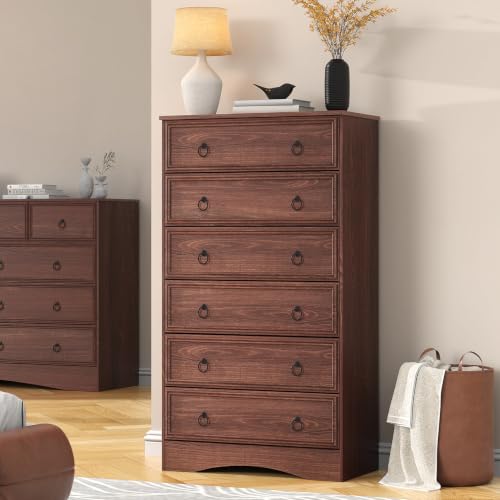
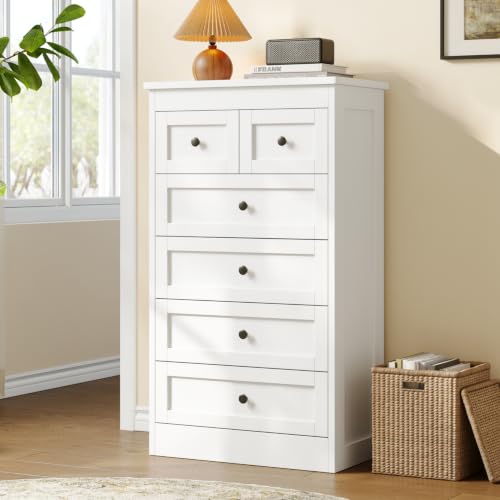
Tall Narrow Dresser Solid Wood: The Complete Space-Saving Storage Guide
Everything you need to know about choosing a slim, vertical solid wood dresser that fits tight spaces while delivering durable, long-term bedroom storage.
Explore the GuideWhy this guide matters: If you are shopping for a tall narrow dresser made of solid wood, you already know the core challenge: finding a piece that is slim enough for a compact wall or closet yet robust enough to last for years. This guide breaks down dimensions, drawer configurations, wood species, construction quality, and safety considerations so you can make a confident, well-informed decision before you buy.
What Is a Tall Narrow Dresser Made of Solid Wood?
A tall narrow dresser is a vertical storage unit with a compact footprint, typically standing 45 to 60 inches tall while measuring only 18 to 30 inches wide. When that piece is built from solid wood, the drawer fronts, frame, and structural panels are cut from genuine hardwood rather than particleboard, MDF, or thin veneer over engineered cores. This distinction matters because solid hardwood construction delivers superior screw-holding strength, resistance to sagging under heavy loads, and the ability to be sanded and refinished if the surface is ever damaged.
The combination of height and slim width makes this dresser category especially useful in small bedrooms, apartment living, guest rooms, and walk-in closets. Instead of spreading storage horizontally, a tall narrow unit captures unused vertical wall space, which is often the most underutilized zone in a compact room. If you are exploring this format more broadly, our guide to the tall narrow dresser with drawers covers additional layout options, while the tall narrow chest of drawers page focuses on the chest-style variant of this silhouette.
Key Dimensions and Footprint Considerations
Before comparing styles or wood species, confirm that a tall narrow dresser will actually fit your intended space. Measure the wall segment, account for baseboard trim and door swing clearance, and leave at least a few inches of breathing room on each side so drawers can open fully without obstruction.
| Dimension | Typical Range | What to Check |
|---|---|---|
| Width | 18–30 inches | Confirm clearance beside doors, windows, and bed frames. |
| Height | 45–60 inches | Consider eye-level reach and whether the top will hold a lamp or mirror. |
| Depth | 15–20 inches | Deeper drawers hold bulkier clothing; shallower models suit narrow hallways. |
| Drawer Count | 4–7 drawers | Match count to item types; more shallow drawers suit folded delicates. |
| Leg / Base Height | 4–8 inches | Affects stability and ease of cleaning underneath. |
Height and width are only part of the equation. A tall narrow piece with a shallow depth can still block a tight hallway, while a very deep model may protrude into walking paths. For rooms with limited floor area, our collection of tall narrow dressers for small spaces highlights configurations that prioritize a minimal footprint. If the dresser will sit inside a closet, the tall skinny dresser for closet guide offers additional fit guidance for sliding doors and shelving clearance.
Solid Wood Species: Which One Suits Your Bedroom?
Not all solid wood is the same. The species you choose affects grain character, hardness, weight, and how the piece responds to humidity changes over time. The following comparison focuses on the species most commonly used for tall narrow dressers.
| Wood Species | Grain Character | Durability | Best For |
|---|---|---|---|
| Oak | Prominent, open grain | High hardness, impact-resistant | High-traffic bedrooms and family homes |
| Maple | Fine, closed grain | Very hard, resists dents | Modern and minimalist interiors |
| Walnut | Rich, dark, flowing grain | Moderately hard, stable | Premium and mid-century styled rooms |
| Pine | Knotty, rustic, soft grain | Softer, prone to dents | Rustic, farmhouse, and casual spaces |
| Mahogany | Straight, refined grain | Stable and workable | Traditional and formal bedroom settings |
Oak and maple are generally the most resilient choices for a frequently used bedroom dresser, while walnut offers a more distinctive visual statement at a higher tier of the market. Pine is the most forgiving choice for rustic decor but requires more careful handling to avoid surface dents. If you are leaning toward a darker wood, the tall wood dresser with deep drawers guide covers storage depth considerations that pair well with walnut and mahogany finishes.
Drawer Layouts and Storage Capacity
A tall narrow dresser compensates for its slim width with vertical stacking. The most common configuration is five drawers, which typically breaks down into one or two deep bottom drawers for bulky items and three or four shallower drawers above for folded clothing and accessories. Lingerie-style models push the drawer count to six or seven, using shallower compartments to keep small items visible and separated.
- Four-drawer layouts: Best for users who prefer fewer, larger compartments and store bulkier items such as sweaters and linens.
- Five-drawer layouts: The most balanced option, pairing one or two deep drawers with three medium drawers for everyday clothing.
- Six-to-seven-drawer layouts: Ideal for accessories, delicates, and organized capsule wardrobes that benefit from shallow, separated storage.
- Mixed layouts: Some models combine drawers with open shelves or a cabinet door, adding flexibility for books, baskets, or display items.
When evaluating drawer capacity, check the interior depth and the weight rating of the slides. A solid wood dresser with deep drawers is only as good as its hardware, so look for metal ball-bearing slides or well-fitted wooden runners. For households that store heavier items, our article on super heavy duty drawer slides explains what to look for in load ratings and mounting quality. If you want a model with generous interior depth, the tall chest of drawers with deep drawers page compares depth options across configurations.
Construction Quality: What Separates Tiers
Two dressers can look identical in a product photo yet differ enormously in how they are built. Use the following tier framework to compare construction quality without relying on any numeric benchmarks.
Entry-Level Tier
Solid wood may be limited to drawer fronts and top panels, with engineered cores elsewhere. Joinery is often stapled or screwed rather than interlocked. Acceptable for light use, but inspect the frame carefully.
Mid-Range Tier
Full solid wood frames with hardwood drawer boxes are common. Dovetail or reinforced butt joints appear at stress points, and drawer slides are smoother and more consistent than entry-level hardware.
Premium Tier
Kiln-dried hardwood throughout, hand-fitted dovetail joinery, and high-grade slides with soft-close or full-extension action. Finishes are multi-step and more resistant to wear and humidity shifts.
Luxury Tier
Furniture-grade hardwood selection, traditional joinery methods, and meticulous finishing. These pieces are built as long-term investments and often carry extended structural warranties.
A tall narrow dresser places more leverage on its frame than a low, wide unit, so construction quality matters more than usual. Reinforced corner blocks, a solid back panel, and a rigid base all contribute to stability. If sturdiness is your top priority, our guide to the sturdy dresser outlines the structural details worth checking before purchase. For a full solid wood chest format, the tall narrow chest of drawers solid wood page dives deeper into joinery and panel construction.
Stability and Safety for Tall Furniture
Height introduces a center-of-gravity consideration that low dressers do not have. A tall narrow unit should always be anchored to a wall stud using the anti-tip kit supplied by the manufacturer. Place the heaviest items in the bottom drawers, avoid loading the top drawers unevenly, and never leave multiple drawers open at once, especially in households with young children.
Look for models with a wide, level base and a solid back panel, which help distribute weight and resist racking. If the dresser will sit on uneven flooring, adjustable leveling feet are a useful feature. For households combining a dresser with other tall furniture, the tall and wide dressers for bedroom guide discusses how to arrange multiple tall pieces safely within a single room.
Styling a Slim Vertical Dresser in Small Rooms
A narrow silhouette can actually make a small bedroom feel taller and more open. Place the dresser against a wall segment that would otherwise sit empty, such as beside a door frame or between a window and a corner. Keep the top surface uncluttered, using a single lamp, a small tray, or a framed print rather than a crowded display.
Finish choice also shapes the visual weight of the piece. Light natural wood and whitewashed finishes recede into the background in compact rooms, while deep walnut or mahogany finishes create a grounded focal point. Mirrors above the dresser can amplify light and add perceived depth without consuming floor space. If you are deciding between a darker or lighter finish, the tall black dresser with deep drawers guide illustrates how darker tones behave in smaller rooms.
How to Choose the Right Tall Narrow Solid Wood Dresser
Use the following checklist to narrow your options efficiently and avoid a purchase you may regret later.
- Measure twice: Confirm width, height, and depth against your wall segment, door swing, and walking paths.
- Verify solid wood claims: Check product specifications for species names and which components are solid versus veneered.
- Inspect joinery: Dovetail or reinforced joints at drawer corners indicate better long-term durability than stapled construction.
- Test the hardware tier: Smoother slides and soft-close mechanisms are hallmarks of mid-range and premium construction.
- Plan for anchoring: Confirm the unit includes anti-tip hardware and that a wall stud is reachable at the intended location.
- Match drawer layout to your wardrobe: Deep drawers for bulk, shallow drawers for accessories and delicates.
If you are still comparing silhouettes, the tall skinny dresser guide covers an even slimmer variant, while the tall narrow dresser solid wood overview remains the best starting point for solid hardwood construction. For rooms where the dresser must double as general storage, the storage dresser guide explores models with additional shelving and cabinet compartments.
Frequently Asked Questions
Final Thoughts
A tall narrow dresser made of solid wood is one of the most efficient storage investments you can make for a compact bedroom. It reclaims vertical wall space, offers durable construction that withstands daily use, and can be refinished over time rather than replaced. Focus on fit first, then construction quality, then drawer layout, and you will end up with a piece that serves your space well for years.
Ready to compare specific models? Explore our curated selection of tall narrow dressers for small spaces or review the full tall narrow dresser solid wood buying guide for additional configurations.