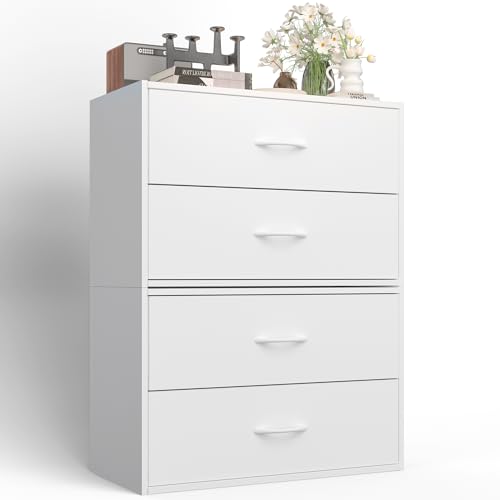
Stackable Dresser Guide: Flexible Storage for Every Room
Maximize your space with modular, stackable dressers. Discover the benefits, styles, and expert tips to choose the perfect stacking storage solution.
Stackable dressers offer a versatile and space-efficient solution for modern living. Whether you're furnishing a small apartment, a growing child's room, or simply looking for adaptable storage, these modular units provide unmatched flexibility. Unlike traditional, fixed dressers, stackable designs allow you to customize your storage configuration, scale it up or down as your needs change, and even take it with you when you move. This guide explores everything you need to know about stackable dressers, helping you make an informed decision for your home.
What Is a Stackable Dresser?
A stackable dresser consists of individual drawer units designed to be safely placed on top of one another. These units typically lock together to form a stable, cohesive piece of furniture. The concept is simple yet powerful: instead of one large, heavy dresser, you get several smaller, manageable boxes that can be arranged to fit your space perfectly.
- Flexibility: Rearrange units to fit different rooms or layouts.
- Portability: Easier to move than a large, monolithic dresser.
- Scalability: Start with one or two units and add more as your storage needs grow.
- Versatility: Can be used as a nightstand, side table, or part of a larger storage wall.
Many modern stackable dressers are part of a modular system, meaning they can be combined with other pieces like bookcases or desks for a cohesive look. This makes them a favorite for contemporary, minimalist, and Japandi interiors where clean lines and functional design are key.
Why Choose a Stackable Dresser?
Investing in a stackable dresser is a smart choice for several reasons. Here’s why they are becoming increasingly popular:
✅ Space-Saving & Adaptable
In smaller spaces like apartments or dorm rooms, a small dresser that can be stacked vertically is a game-changer. You can create a tall, narrow storage tower in a corner or a low, wide console under a window. The adaptability means you can always find a configuration that works.
✅ Easy to Move & Relocate
Moving a traditional dresser is often a two-person job. With stackable units, you can move them box by box. This is especially beneficial for renters or anyone who anticipates relocating in the future. You can even use them to dresser for closet with a custom fit.
✅ Grow-With-Your-Child Storage
For children's rooms, stackable dressers are perfect. Start with a two-drawer unit for a baby's nursery and add more drawers as your child grows and accumulates more clothes and toys. This long-term versatility makes them an economical and sustainable choice.
✅ Aesthetic & Design Flexibility
Stackable dressers come in a wide range of materials, from solid wood to sleek laminate. You can mix and match finishes for a unique, eclectic look or keep them uniform for a clean, minimalist aesthetic. Many designs feature a modern dresser aesthetic that complements contemporary decor.
How to Choose the Best Stackable Dresser
When selecting a stackable dresser, consider these crucial factors to ensure you get a product that meets your needs and lasts for years.
1. Material & Durability
The material determines the dresser's weight, durability, and appearance. Solid wood dressers are the most durable and provide a timeless, high-end look. However, they are heavier and more expensive. Engineered wood (like MDF or particleboard) with a veneer is a budget-friendly option but may be less durable. For a balance of style and durability, consider a hardwood dresser with a quality finish.
2. Interlocking Mechanism
Safety and stability are paramount. A good stackable dresser will have a secure interlocking system to prevent the units from shifting or toppling. Look for models with metal pins, brackets, or a lip-and-groove design that securely locks the boxes together. This is especially important in homes with children or pets.
3. Weight Capacity
Check the weight capacity per drawer and the overall unit. Solid wood drawers with dovetail joints will hold more weight than budget alternatives. Consider what you'll be storing – heavy sweaters and jeans require more robust construction than lightweight t-shirts and accessories.
4. Size & Scale
Measure your space carefully. Consider the height of the stacked unit, the depth, and the width. A deep dresser offers more storage but may intrude into the room. A narrow dresser is better for tight hallways or small bedrooms. Also, think about the height – a tall stack might be ideal for a closet, while a low, wide configuration could serve as a media dresser for your TV.
5. Drawer Construction & Glides
Soft-close drawer glides are a sign of quality and ensure quiet operation. The drawer sides should be sturdy, and the bottom should be thick enough to support the weight of your items. Look for front-to-back or side-to-side glides; full-extension glides allow you to access the entire depth of the drawer, which is a significant advantage for organization.
Popular Stackable Dresser Styles
Stackable dressers are available in a variety of styles to suit any decor.
- Mid-Century Modern: Features tapered legs and warm wood tones. Often incorporates a mid-century dresser aesthetic with clean, simple lines.
- Minimalist & Contemporary: Characterized by sleek, handle-less fronts and a monochromatic palette, fitting perfectly into a modern dresser collection.
- Industrial: Combines metal frames with wood or laminate boxes for a rugged, urban look.
- Scandinavian: Focuses on light woods, soft curves, and functionality, often with a white dresser or light natural finish.
- Bohemian: Can include rattan or bamboo drawer fronts for a relaxed, textured feel, much like a boho dresser.
The beauty of stackable designs is that you can create a style that is entirely your own. Mix a white rattan dresser base with a solid wood top, or combine a glam dresser unit with mirrored fronts for a touch of luxury.
Stackable Dresser vs. Traditional Dresser
Stackable Dresser
- Modular and customizable
- Easier to move and transport
- Adaptable to changing spaces and needs
- Often more affordable per drawer
- Can be used in creative configurations
Traditional Dresser
- Static, single-piece design
- Heavy and difficult to move
- Fixed size and shape
- Can be a significant investment
- Classic, timeless aesthetic
For many modern homes, the versatility of a stackable dresser outweighs the heft of a traditional piece. However, if you prioritize a specific, classic look and don't plan on moving, a high-quality traditional dresser might be the right choice.
Organizing Your Stackable Dresser
Maximize the potential of your stackable dresser with smart organization strategies. Start by grouping items by category (e.g., tops, bottoms, undergarments). Use drawer dividers to keep smaller items like socks and accessories in order. For deeper drawers, consider using shelf risers or stacking bins to create more usable layers. Remember, the goal is to see everything at a glance, which makes getting dressed easier and helps keep your drawers clutter-free.
Stackable Dresser: Investment & Value
The price of a stackable dresser varies widely based on material, brand, and the number of units. You can find budget-friendly options for around $100–$200, while high-end, solid-wood modular systems can cost $1,200 or more. For a standard set of 2-3 high-quality stackable units, a realistic budget is around $350–$800. Considering their versatility and longevity, they often represent a better long-term value than a traditional dresser of a similar price, which may not adapt to your future needs.
Ready to Build Your Perfect Storage Solution?
A stackable dresser is more than just a place to store clothes; it's a dynamic piece of furniture that can evolve with your lifestyle. From the nursery to the master bedroom, and even the living room, these modular units offer the perfect blend of form and function. We've curated a selection of top-rated stackable dressers that meet our high standards for quality, design, and value. Explore the options below and find the perfect fit for your space.