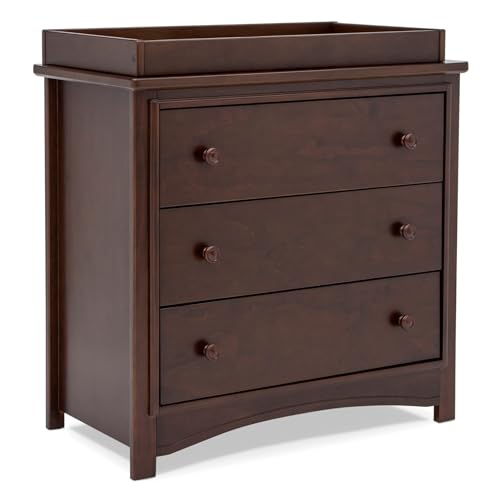
Solid Wood Changing Table with Drawers: The Complete Guide
Everything you need to know about choosing a durable, safe, and beautifully crafted changing table that grows with your family.
Explore Recommended OptionsWhy a solid wood changing table with drawers? When you are preparing a nursery, every piece of furniture matters. A solid wood changing table with drawers combines two essential nursery functions—a safe changing surface and organized clothing storage—into one durable piece. Unlike engineered or particleboard alternatives, solid wood offers superior longevity, better structural integrity, and a timeless aesthetic that can transition from nursery to toddler room and beyond. This guide covers everything you need to make an informed decision.
What to Expect from a Solid Wood Changing Table with Drawers
A solid wood changing table with drawers is more than just a place to change diapers. It is a multi-functional nursery station that keeps essentials within arm's reach, reduces middle-of-the-night scrambling, and provides a safe, stable surface for your baby. Before you commit, it helps to understand the key characteristics that distinguish quality pieces from lesser alternatives.
Solid wood construction means the primary structure—frame, legs, drawer fronts, and changing surface—is made from a single piece of lumber rather than composite materials. This results in furniture that can withstand years of daily use, resist warping, and support the weight of a growing child without flexing or creaking. Many parents discover that a well-made solid wood changing table dresser can later serve as a standalone dresser once the changing pad is removed, making it a long-term investment rather than a temporary purchase.
Drawer configuration varies significantly. Some models feature three to four full-width drawers, while others combine drawers with open shelving. The ideal setup depends on your storage priorities—whether you need space for folded clothes, diapers, wipes, and burp cloths, or a combination of all of these. Entry-level models typically offer three drawers with basic side-mount slides, while mid-range and premium tiers include soft-close mechanisms, dovetail joinery, and deeper drawer boxes.
Key Benefits of Solid Wood Construction
Durability and Structural Integrity
Solid wood frames resist the wear and tear of daily use. Unlike engineered wood, which can swell or delaminate with moisture exposure, solid wood maintains its shape and strength over years of use.
Safety and Stability
A heavier solid wood piece is less likely to tip when properly anchored. The inherent weight and rigidity of solid wood provide a more stable platform for a changing pad and a wriggling baby.
Long-Term Usability
Once the diaper-changing years are over, the piece can function as a standard dresser. The changing surface is often removable, leaving a flat top that works for years to come.
Aesthetic Longevity
Solid wood accepts stains and paints beautifully. Whether you prefer a natural oak finish or a painted white, the material ages gracefully and can be refinished if desired.
Superior Drawer Action
Higher-tier solid wood models often feature dovetail drawer joinery and soft-close slides. These details significantly improve the day-to-day experience of opening and closing drawers.
Healthier Indoor Environment
Solid wood typically uses fewer adhesives than composite materials. Many parents prefer it for this reason, especially in a nursery where air quality is a priority.
Choosing the Right Wood Type
The type of wood used affects not only the appearance but also the weight, durability, and character of the piece. Here is a breakdown of the most common options for a solid wood changing table with drawers.
| Wood Type | Characteristics | Best For |
|---|---|---|
| Oak | Hard, dense, prominent grain; excellent resistance to wear. | Families seeking maximum durability and a classic, natural look. |
| Pine | Softer wood, knotty character, lightweight; may dent more easily. | Those who prefer a rustic or farmhouse aesthetic and a lighter piece. |
| Maple | Hard, fine grain, smooth texture; takes paint well. | Painted finishes and modern, clean-lined nursery designs. |
| Walnut | Rich, dark color; strong and dimensionally stable. | A premium, sophisticated look that stands out in the nursery. |
| Birch | Hard and strong, subtle grain pattern; often used for painted furniture. | Versatile, paint-ready construction with excellent durability. |
Editor's Tip: If you plan to paint the changing table to match a nursery theme, maple and birch are excellent choices because their tight grain patterns accept paint smoothly. If you prefer a natural finish, oak and walnut offer striking grain patterns that look beautiful with a clear topcoat. For a comprehensive comparison, see our guide on solid wood vs engineered wood.
Safety Features to Prioritize
Safety is non-negotiable when it comes to nursery furniture. A solid wood changing table with drawers should incorporate several key design features to protect your child.
- Anti-tip restraint: The piece must include a wall-anchoring kit. Even heavy solid wood furniture can tip if a child climbs on an open drawer. Always secure the unit to the wall.
- Safety rails: A changing surface with raised edges on all four sides prevents the pad from sliding and provides a barrier against rolling.
- Non-toxic finish: Look for water-based, low-VOC finishes. Many reputable brands clearly state that their finishes are safe for nursery environments.
- Sturdy drawer stops: Drawers should have stops to prevent them from being pulled completely out, which could cause injury or damage.
- Smooth edges and corners: Rounded or eased edges reduce the risk of bumps and bruises during nighttime changes.
- Stable base: A wide footprint and solid legs ensure the unit does not wobble. Check that all four legs rest firmly on the floor without rocking.
Additionally, always use a contoured changing pad with a safety strap, and never leave your baby unattended on the changing surface—even for a moment. For compact spaces, consider a small changing table dresser that fits comfortably without compromising safety features.
Size and Space Considerations
Standard changing tables measure approximately 36 to 44 inches wide and 18 to 22 inches deep. A solid wood model with drawers typically falls within this range but may be slightly deeper to accommodate the drawer boxes. Before purchasing, measure your nursery carefully and account for clearance on all sides—you need room to open drawers, stand comfortably, and access the changing surface.
If your nursery is compact, you may want to explore small changing table with drawers options that maximize storage without overwhelming the room. These models often feature a narrower profile while still providing three drawers and a functional changing area. For rooms where every inch counts, a small changing pad for dresser can convert an existing dresser into a temporary changing station, though a dedicated unit offers better integrated storage.
Height matters too. The changing surface should sit at a comfortable height for the caregiver—typically around 36 inches from the floor. If you or your partner are taller or shorter than average, consider whether the unit's height will cause back strain during frequent changes. Some solid wood models are available in varying heights, while others can be paired with a stable platform if needed.
Drawer Configuration and Storage Strategy
The drawer layout of your changing table directly impacts how efficiently you can organize nursery essentials. Most solid wood changing tables with drawers fall into one of three categories.
Three-Drawer Models
These are the most common and typically offer one wide top drawer and two or three deeper drawers below. The top drawer is ideal for small items like diapers, wipes, and ointments, while the lower drawers handle folded clothes and blankets. Entry-level and mid-range models frequently use this configuration.
Four-to-Five Drawer Models
Additional drawers provide more granular organization. You might dedicate one drawer exclusively to sleepwear, another to daytime outfits, and a third to burp cloths and bibs. Higher-tier models in this category often include soft-close slides and dovetail joinery for smoother, quieter operation.
Combination Drawers and Shelves
Some designs incorporate open shelving alongside drawers. This is useful for items you need to grab quickly—like a stack of diapers or a frequently used blanket—while keeping less-accessed items tucked away. If you prefer this layout, look for models with adjustable shelf heights.
Organization Tip: Use drawer dividers to separate onesies by size, and consider a small basket or bin inside a drawer for socks and mittens. For more detailed strategies, see our guide on dresser organization.
Transitioning Beyond the Nursery Years
One of the strongest arguments for solid wood is its adaptability. A changing table with drawers from a quality brand is often designed to outlive its initial purpose. Once your child is potty-trained, the changing pad and safety rails can typically be removed, leaving a standard dresser that fits seamlessly into a toddler room or guest bedroom.
If you are planning ahead, consider a model that matches other bedroom furniture in your home. A solid wood dresser and nightstand pairing creates a cohesive look that can carry through multiple life stages. Some parents even choose a solid wood bedroom dresser set from the start, ensuring that the entire room evolves together as the child grows.
For families who plan to have more children, a well-built solid wood changing table is an investment that can be used for each child in sequence. Its durability means it will still be structurally sound and visually appealing when the second or third child arrives.
Solid Wood vs. Other Materials: A Quick Comparison
| Material | Durability | Weight | Longevity | Best For |
|---|---|---|---|---|
| Solid Wood | Excellent | Heavy | Decades | Long-term investment, heirloom potential |
| Engineered Wood (MDF/Particleboard) | Moderate | Moderate | 5–10 years | Temporary setups, lighter weight needs |
| Metal | Good | Moderate to Heavy | 10–20 years | Industrial or modern aesthetics |
| Plastic | Fair | Light | 2–5 years | Travel, temporary use, very small spaces |
Frequently Asked Questions
Ready to Choose Your Solid Wood Changing Table?
Browse our curated selection of solid wood changing tables with drawers. Each option is evaluated for construction quality, safety features, and long-term usability.
View Recommendations