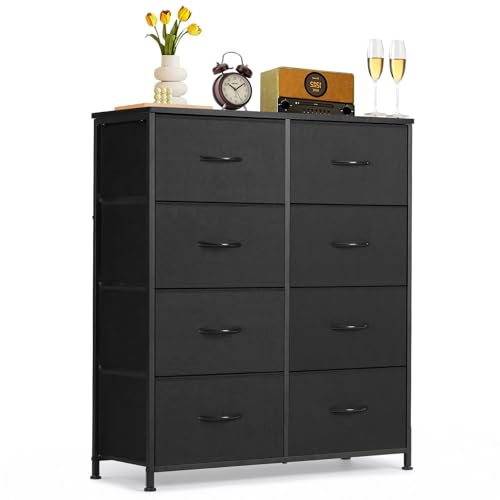
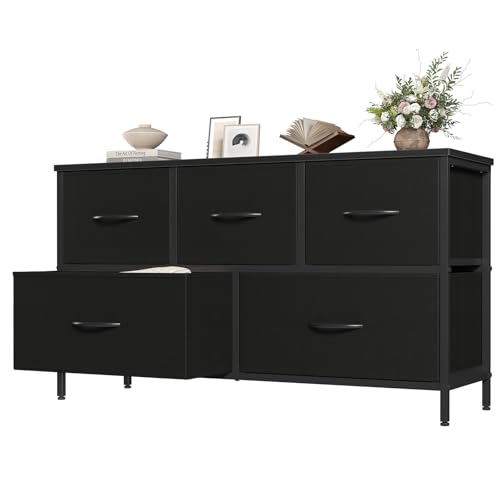
Small Chest of Drawers for Living Room: The Complete Storage Guide
Turn clutter into calm with a compact chest of drawers that fits your living room beautifully. Learn how to choose the right size, style, material, and organization setup before you bring one home.
Start the Buying GuideWhy a small chest of drawers belongs in your living room: Living rooms are multitasking spaces — they host movie nights, guest visits, homework sessions, and everyday relaxation. A small chest of drawers adds hidden storage for throws, games, chargers, and media without crowding the room. This guide walks you through sizing, materials, drawer mechanics, and styling so you can choose with confidence.
Why Choose a Small Chest of Drawers for Your Living Room?
Most living rooms are not designed with storage in mind. Entertainment units hold electronics, coffee tables hold remotes, and everything else tends to pile up on open shelves or the floor. A compact chest of drawers solves this by offering closed storage that keeps visual noise low while keeping daily essentials within reach.
Unlike a full-size bedroom dresser, a small-space dresser is scaled to fit along a sofa wall, beside an armchair, under a window, or in a hallway nook. The right piece can double as a console table, a TV stand, or a display surface for books and plants. For anyone researching compact chest options, the living room is one of the most rewarding places to add one.
Key Benefits at a Glance
- Hidden storage: Tuck away blankets, board games, cables, and kids' toys behind closed drawer fronts.
- Surface area: The top becomes a practical spot for a lamp, framed photos, or a decorative tray.
- Space efficiency: A footprint of roughly two to three feet wide keeps walkways clear in tight rooms.
- Design flexibility: Available in styles from modern minimal to farmhouse and mid-century, so it blends with existing decor.
- Multi-room use: A living room chest can later move to a hallway, entryway, or guest bedroom without looking out of place.
How to Choose the Right Small Chest of Drawers
Buying for a living room is different from buying for a bedroom. Foot traffic, visibility, and shared use all matter. Use the four factors below as a checklist before you compare models.
1. Measure Your Space and Plan the Footprint
Start by measuring the wall or corner where the chest will sit. Leave at least 30 inches of clearance in front of the drawers so they can open fully without blocking a walkway. A typical small chest of drawers measures around 28 to 40 inches wide, 30 to 42 inches tall, and 15 to 18 inches deep. If your room is narrow, look for a narrow dresser or a 12-inch deep chest of drawers that hugs the wall.
2. Match Drawer Count to What You Store
Three to five drawers is the sweet spot for living room use. Shallow top drawers suit remotes, chargers, and stationery, while deeper lower drawers handle throws and games. If you need more capacity without more width, consider a tall 5-drawer dresser or a vertical dresser that uses height instead of floor space.
3. Choose a Material That Suits Your Lifestyle
Solid wood offers the most durable construction and can be refinished over time. Engineered wood with quality veneers is a practical mid-tier option that resists warping in humid rooms. If you want a piece that lasts for decades, compare construction details in our guide to solid wood vs engineered furniture. For a natural look, explore solid wood chests and solid wood small chests of drawers.
4. Pick a Style That Blends With Your Room
The chest should feel like part of the room, not an afterthought. Modern living rooms pair well with clean-lined modern dressers and mid-century dressers. Farmhouse and rustic spaces suit farmhouse dressers and rustic dressers. For a brighter, airier feel, a small white dresser or white chest of drawers reflects light and keeps the room feeling open.
Size and Tier Comparison
The table below groups common living room chests by market tier and intended use. It avoids specific figures and instead describes relative positioning so the guidance stays useful over time.
| Tier | Typical Build | Best For | Drawer Feel |
|---|---|---|---|
| Entry-level | Engineered wood panels with laminate or paper veneer | Rentals, dorms, first apartments, kids' play areas | Basic side-mounted glides; functional but less refined |
| Mid-range | Engineered core with wood veneer or solid wood fronts | Family living rooms, media storage, everyday use | Smooth ball-bearing glides; soft-close on some models |
| Premium | Solid wood carcass with dovetail or reinforced joints | Long-term homes, design-forward living spaces | Full-extension, soft-close hardware; stable under load |
| Luxury | Hardwood solids, hand-finished surfaces, premium hardware | Statement pieces, formal living rooms, collector furniture | Precision metal glides or wooden runners; near-silent operation |
As a rule of thumb, moving up a tier usually improves drawer smoothness, joint strength, and finish consistency more than it changes the exterior dimensions. A well-specified mid-range chest often delivers the best balance of durability and design for a living room that sees daily use.
Best Placement Ideas for a Living Room Chest
Console-Style Storage
Place a low, wide chest behind or beside the sofa to hold throws and books while acting as a landing spot for drinks and lamps. Choose a model with a flat top and a height close to the sofa back.
TV and Electronics Hub
A sturdy chest can support a television and hide consoles, cables, and game controllers. Look for reinforced tops and cable cutouts, or pair it with a wall-mounted TV for a cleaner look.
Multi-Purpose Catch-All
If your living room opens to an entry, a compact chest works as a drop zone for keys, mail, and seasonal accessories. Add a tray on top and a small mirror above for a functional vignette.
Book and Blanket Station
Beside an armchair, a small chest keeps magazines, reading glasses, and a throw within arm's reach. A three-drawer model is usually enough for this setup.
Window Seat Storage
A low chest can double as a window seat base. Choose a model that is stable enough to sit on and pair it with cushions for a cozy reading spot.
Zoning an Open Plan
In open-plan homes, a finished-back chest can separate the living area from a dining or work zone while providing storage on the living room side.
Materials, Finishes, and Hardware
The finish you choose affects both maintenance and the mood of the room. Light finishes such as white dressers and natural wood tones make small rooms feel larger. Darker finishes like a black dresser or gray dressers add grounding contrast and hide minor scuffs.
Hardware is the easiest detail to upgrade later. Dresser knobs and drawer pulls in brass or matte black can transform a plain chest into a custom-looking piece. If you prefer a cohesive metallic look, explore gold hardware dressers and black hardware dressers.
For a textured, organic feel, rattan dressers, bamboo dressers, and white and rattan dressers bring warmth without heavy visual weight. Meanwhile, metal dressers suit industrial or loft-style living rooms.
Drawer Organization for Living Room Storage
An organized chest works harder than a cluttered one. Assign each drawer a purpose and use dividers to keep small items from sliding around.
- Top drawer: Remotes, chargers, batteries, pens, and small stationery.
- Middle drawer: Table linens, coasters, candles, and light decor accessories.
- Bottom drawer: Throws, cushions, board games, and seasonal items.
- Hidden extras: Use stackable drawer organizers to create compartments inside deep drawers.
- Labeling: Add discreet labels inside drawers so family members know where things belong.
For a deeper walkthrough, see our full dresser organization guide. If your living room doubles as a closet overflow area, a small chest of drawers for closet can keep clothing and accessories separate from shared living space.
Safety and Durability Checklist
Living room furniture is shared furniture, so stability matters. Follow these checks before and after setup:
- Anchor the chest to the wall with the included anti-tip strap, especially in homes with children or pets.
- Confirm the drawer glides are rated for the weight you plan to store. Deep drawers filled with books or games need sturdier hardware.
- Check that the back panel is attached securely; it adds rigidity and prevents racking.
- Avoid placing heavy items in the top drawer of a tall, narrow chest; distribute weight toward the bottom.
- Dust and lubricate glides periodically to keep drawers sliding smoothly.
Frequently Asked Questions
What size chest of drawers fits a small living room?
A chest roughly 28 to 40 inches wide and 15 to 18 inches deep fits most living room walls without blocking walkways. Measure clearance for drawer opening before you buy.
Can a chest of drawers be used as a TV stand?
Yes, provided the top is wide enough for the TV base and the chest is stable. Anchor it to the wall and check the manufacturer's weight guidance for the top surface.
How many drawers do I need for living room storage?
Three to five drawers covers most living room needs. Use shallow drawers for small items and deeper drawers for throws and games.
Is solid wood better than engineered wood for a living room chest?
Solid wood is more durable and refinishable, while engineered wood with quality veneers is a practical mid-tier option. Compare construction details in our solid wood vs engineered guide.
How do I keep a small chest from looking cluttered?
Keep the top surface minimal, use closed drawers for daily items, and choose a model with clean lines. A tray for small objects and one or two decorative pieces is usually enough.
Ready to Find Your Perfect Living Room Chest?
Explore curated options for compact chests of drawers that balance storage, style, and durability. Compare features and choose the piece that fits your room.
Explore Recommended Options