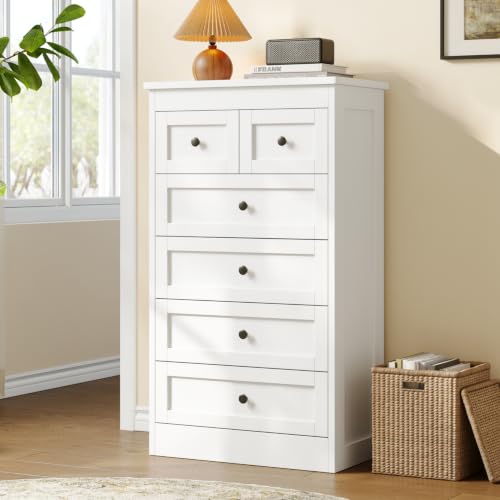
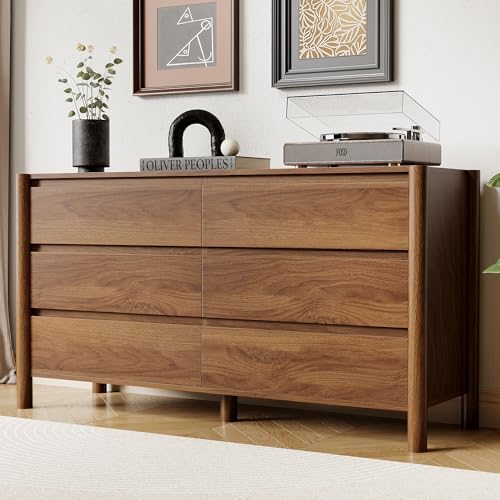
Solid Wood Chest of Drawers for Bedroom
Everything you need to know before choosing a solid wood chest of drawers for your bedroom — from wood types and drawer construction to sizing, finishes, and styling.
Why choose solid wood? A solid wood chest of drawers is one of the most durable and timeless storage investments for a bedroom. Unlike engineered wood, solid wood can be sanded, refinished, and repaired, so it holds its character over decades. This guide walks you through the decisions that matter most — so you can confidently choose a piece that fits your room, your routine, and your long-term expectations.
What Is a Solid Wood Chest of Drawers?
A chest of drawers is a tall, vertically stacked storage piece composed primarily of drawers. When built from solid wood, the carcass (frame), drawer fronts, and often the drawer boxes are made from milled lumber rather than particleboard or MDF with veneer. This distinction matters for durability, repairability, and how the piece ages in a bedroom environment.
A bedroom chest typically ranges from four to six drawers, though taller configurations are available. Compared to a wide dresser, a chest of drawers uses vertical space efficiently — an advantage in smaller bedrooms or alongside a bed. If you are still comparing formats, see our guide on solid wood chests and how they differ from wider dresser styles.
Solid wood construction also means the piece can be refinished later if your bedroom decor changes. That flexibility is why many buyers treat a solid wood chest as a long-term investment rather than a short-term furnishing.
Wood Types: Which Solid Wood Suits a Bedroom?
The wood species affects grain character, hardness, weight, and how the piece responds to humidity. Below is a practical comparison of the most common solid woods used in bedroom chests of drawers.
| Wood Type | Character | Durability | Best For |
|---|---|---|---|
| Oak | Prominent grain, warm tone, heavy feel | High — dense and hard-wearing | Busy bedrooms, family homes, traditional and modern styles |
| Walnut | Rich dark tone, smooth grain, elegant | High — stable and dense | Premium and luxury interiors, mid-century and contemporary rooms |
| Maple | Fine, even grain, light creamy tone | High — hard and smooth | Minimalist and Scandinavian bedrooms |
| Pine | Knotty, rustic, lighter weight | Moderate — softer surface | Farmhouse, rustic, and entry-level solid wood pieces |
| Mahogany | Deep reddish-brown, formal look | High — dense and stable | Traditional and luxury bedroom settings |
If you want a deeper comparison between solid wood and engineered alternatives, our article on solid wood vs engineered breaks down the trade-offs in construction and longevity.
Drawer Construction: What Separates Tiers
The quality of a chest of drawers is largely determined by what you cannot see: the drawer boxes, glides, and joinery. This is where entry-level, mid-range, and premium tiers diverge most sharply.
Drawer Boxes
Entry-level solid wood chests often use thinner drawer sides and stapled or nailed joinery. Mid-range models typically use dovetail or box joints with thicker sides. Premium and luxury tiers use fully dovetailed drawer boxes, sometimes with wood-on-wood glides for a traditional feel.
Glides and Runners
Basic side-mounted roller glides are common at the entry level. Mid-range pieces often include ball-bearing side glides, while high-end and flagship tiers use under-mount soft-close glides with full extension. If smooth, quiet drawer movement matters to you, prioritize under-mount glides.
Joinery and Frame
Look for corner blocks, mortise-and-tenon joints, and reinforced frames on higher tiers. These details reduce wobble and extend the life of the piece — especially important in a bedroom where the chest may be used daily.
Sizing a Chest of Drawers for Your Bedroom
Size is the most common source of buyer regret. A chest that is too tall can overwhelm a small room; one that is too narrow may not hold enough. Use these guidelines:
- Height: Standard chests range from roughly 40 to 60 inches. Taller models (sometimes called tallboys) maximize vertical storage but should leave clear walking space around the bed.
- Width: Narrow chests work well in compact bedrooms and closets. Wider chests offer more surface area but need more wall space.
- Depth: Most bedroom chests are 16 to 20 inches deep. Deeper drawers hold bulkier items but protrude further into the room.
- Drawer count: Four to six drawers suits most couples and individuals. Five- and six-drawer configurations are the most versatile for bedroom storage.
If your bedroom is tight, explore tall narrow chest of drawers in solid wood options that preserve floor space. For closets, a small chest of drawers for closet can free up bedroom floor area entirely.
Finishes and Hardware
Solid wood chests are available in natural, stained, painted, and whitewashed finishes. Natural and stained finishes highlight the grain, while painted finishes suit farmhouse and modern bedrooms. Hardware — knobs, pulls, and handles — can transform the look and is often replaceable later.
If you prefer a lighter bedroom palette, a solid wood white 6 drawer dresser offers a bright, versatile look. For a darker, more dramatic bedroom, consider walnut or a black-stained finish. Matching your chest with a nightstand creates a cohesive set; see our small dresser and nightstand set guide for pairing ideas.
Quality Tiers at a Glance
To help you compare options without focusing on numbers, here is a tier-based view of what to expect at each level of the market.
| Tier | Construction | Drawer Glides | Best For |
|---|---|---|---|
| Entry-level | Solid wood frame with simpler joinery | Side roller glides | Guest rooms, first apartments, casual use |
| Mid-range | Solid wood with dovetail or box joints | Ball-bearing side glides | Primary bedrooms, daily use |
| Premium | Fully dovetailed drawer boxes, reinforced frame | Under-mount soft-close glides | Long-term family use, design-focused rooms |
| Luxury | Hand-finished joinery, premium hardwoods | Full-extension soft-close, wood-on-wood options | Statement bedrooms, heirloom-quality pieces |
Each tier represents a different balance of construction quality and longevity. A mid-range chest is often the sweet spot for primary bedrooms, while premium and luxury tiers suit buyers seeking a long-term investment.
Styling a Solid Wood Chest in the Bedroom
A solid wood chest is more than storage — it anchors the visual weight of the room. Keep the top surface uncluttered with a lamp, a small tray, and one or two decorative objects. In smaller bedrooms, a mirror above the chest can add light and depth without occupying floor space.
If you want to explore layout ideas, our solid wood dresser mid-century modern guide shows how clean-lined wood pieces pair with contemporary bedrooms. For a softer, more traditional look, consider a chest with a lighter finish and simple hardware.
Pairing your chest with complementary storage — such as a storage chest with drawers or a wooden storage chest with drawers — can extend bedroom organization without overwhelming the room.
Care and Maintenance
Solid wood responds to its environment. Keep the chest away from direct sunlight and heat sources, maintain moderate indoor humidity, and dust regularly with a soft cloth. A furniture wax or wood conditioner applied periodically helps preserve the finish and protect against drying.
Avoid placing hot or wet items directly on the surface, and use felt pads under decorative objects to prevent scratches. With basic care, a solid wood chest of drawers can remain a functional and beautiful part of your bedroom for decades.
Common Mistakes to Avoid
- Ignoring drawer depth: Deep drawers hold bulky items but reduce usable space in compact rooms.
- Overlooking glide quality: Poor glides are the most common failure point in chests of drawers.
- Choosing size by appearance only: Measure your wall space and walking clearance before deciding.
- Skipping the finish test: Request finish samples or view the piece in person when possible.
- Assuming all solid wood is equal: Species hardness and joinery quality vary widely between tiers.
Ready to Choose Your Solid Wood Chest?
Explore our recommended solid wood chests of drawers for bedrooms below. Compare construction, tiers, and features to find the piece that fits your room and routine.
Explore Recommended OptionsFrequently Asked Questions
What is the difference between a solid wood chest of drawers and a dresser?
A chest of drawers is typically taller and narrower with drawers stacked vertically, while a dresser is usually wider and lower, often with a mirror. Both serve similar bedroom storage purposes, but a chest of drawers suits compact spaces better.
Which wood type is best for a bedroom chest of drawers?
Oak offers durability and prominent grain, walnut provides a rich premium look, maple is smooth and hard-wearing, and pine offers a rustic feel at an entry-level tier. The best choice depends on your style preference and desired durability.
How many drawers should a bedroom chest of drawers have?
A 4-drawer to 6-drawer chest suits most bedrooms. Taller 5-drawer and 6-drawer configurations maximize vertical storage in compact rooms, while 4-drawer models work well beside a bed or in a closet.
Are solid wood chests of drawers a long-term investment?
Yes. Solid wood construction is durable, repairable, and refinishable, making it a long-term investment compared to engineered wood alternatives. Premium and luxury tiers can last for decades with proper care.
How do I care for a solid wood chest of drawers?
Dust regularly with a soft cloth, avoid direct sunlight, keep the piece away from excessive humidity, and apply a wood conditioner or furniture wax periodically to maintain the finish.