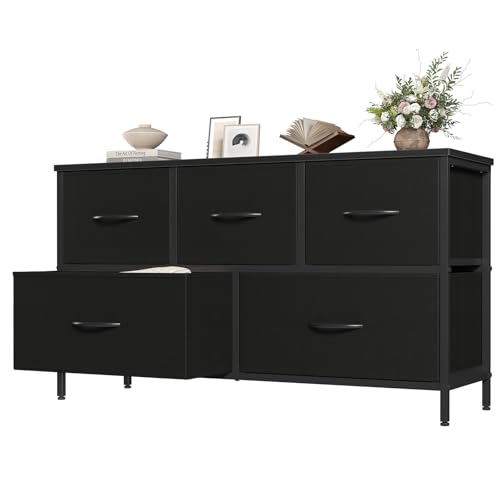
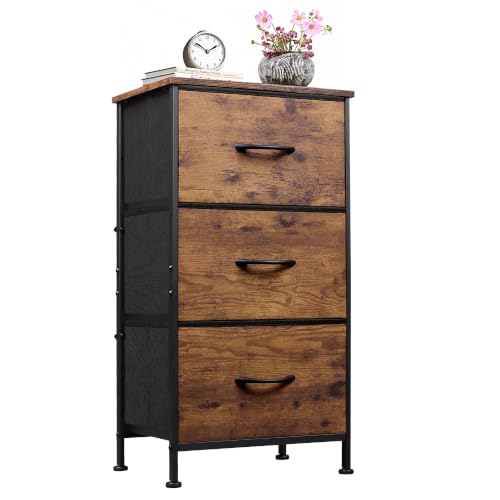
Small Chest Dresser: The Complete Guide to Compact Storage
Everything you need to know before choosing a small chest dresser for your bedroom, guest room, or apartment. Compare sizes, drawer layouts, and materials to find the right fit for your space.
Start Your ResearchWhy a small chest dresser? When floor space is limited, a compact chest of drawers delivers serious storage without overwhelming the room. This guide walks you through the key considerations — dimensions, drawer count, material durability, and organization — so you can make a confident decision before you buy.
What Exactly Is a Small Chest Dresser?
A small chest dresser is a compact storage piece typically narrower and shorter than a full-size dresser, usually ranging from 24 to 40 inches wide. Unlike a wide dresser that spans a wall, a small chest prioritizes vertical stacking of drawers, making it ideal for tight corners, beside a bed, or inside a closet. The term is often used interchangeably with "narrow chest of drawers" or "small dresser," but the defining feature is its footprint: it fits where standard furniture cannot.
These pieces usually come with three to five drawers, with the taller models offering more vertical storage in the same floor area. If you are specifically outfitting a bedside area, a small chest of drawers for bedside can double as a nightstand replacement. For wardrobe-adjacent storage, a small chest of drawers for closet keeps folded items organized without taking up bedroom floor space.
Why Choose a Small Chest Dresser?
Space efficiency is the headline benefit, but there are several practical reasons homeowners and renters gravitate toward compact chests:
Advantages
- Fits into narrow gaps, corners, and small bedrooms
- Vertical drawer stacking maximizes storage per square foot
- Easier to move and reposition than large dressers
- Works well as a bedside companion or closet organizer
- Wide range of styles from entry-level to premium tiers
Trade-offs to Consider
- Fewer drawers means less total capacity
- Top surface area is limited for decor or display
- Tall narrow models can tip if not anchored
- Some compact designs skimp on drawer depth
If you need a broader overview of compact bedroom furniture, the small bedroom dresser guide covers complementary pieces. For rooms where depth is the constraint, shallow dressers for small spaces are worth reviewing.
Small Chest Dresser Sizing Guide
Dimensions matter more than any other factor when shopping for a compact chest. Measure your available floor space, wall height, and clearance for doors and walkways before comparing models. The table below outlines common size categories and their typical use cases.
| Size Category | Typical Width | Best For | Drawer Count |
|---|---|---|---|
| Narrow / bedside | 24–30 inches | Bedside storage, small guest rooms | 3–4 |
| Compact standard | 30–36 inches | Small bedrooms, apartments | 4–5 |
| Mid-width chest | 36–48 inches | Primary bedrooms with limited wall space | 5–6 |
| Tall vertical chest | 24–36 inches | Closets, tight corners, vertical storage | 5–7 |
For precise measurements, see the guides for a thirty inch wide chest of drawers and a thirty-six inch wide chest of drawers. If you are working with a particularly tight footprint, twin narrow dressers for small spaces can be arranged as a pair. And if depth is your main concern, 12-inch deep chest of drawers options are available for very shallow spaces.
Choosing the Right Drawer Configuration
The number and arrangement of drawers determines how usable a small chest really is. Three-drawer models are the most common entry point — see our three drawer dressers overview for typical layouts. Four- and five-drawer configurations offer a better balance of folded-clothing capacity and accessory storage. If you need more compartments for smaller items, six drawer dressers remain compact in width but add vertical utility.
Drawer depth is often overlooked. Shallow drawers suit socks and accessories, while deeper drawers handle sweaters and linens. For pieces with deeper storage, explore the chest of drawers with deep drawers collection. Interior organization accessories such as a clothes drawer organizer can dramatically improve usability in smaller drawers.
Materials and Build Quality
Small chest dressers span the full quality spectrum, from entry-level engineered wood to premium solid hardwood. Solid wood construction — particularly oak, pine, and teak — offers the best long-term durability and refinishing potential. Our solid wood dresser buying guide explains what to look for in joinery and finish. Specific material guides include wood dressers, teak dressers, and the six drawer oak chest of drawers for a premium-tier example.
Hardware quality matters in compact pieces because drawers are used more intensively. Heavy-duty slides and reinforced drawer boxes make a noticeable difference; see the notes on 20-inch heavy-duty drawer slides for upgrade options. Finish also affects longevity — a dresser with painted finish can be a practical choice for nurseries and kids' rooms.
Style Options for Small Chest Dressers
Compact chests come in every major design language. If you want a classic bedroom look, a tallboy drawers configuration delivers traditional proportions. Modern and minimalist rooms suit a clean-lined vertical dresser. For vintage-inspired interiors, a vintage chest of drawers or a distressed chest of drawers adds character. Color options range from a crisp white narrow dresser to a bold emerald green dresser.
Organization Tips for Compact Chests
Small chests reward disciplined organization. Fold clothes vertically (the file-folding method) to see every item at a glance. Use drawer dividers to separate categories, and reserve the top drawer for frequently accessed items. Seasonal rotation keeps off-season clothing out of the way — store it under the bed or in a tall storage cabinet. For nursery and kids' rooms, a children's dresser with safety features is the priority.
Final Buying Checklist
- Measure your floor space, wall height, and doorway clearance before shopping.
- Confirm drawer count and depth match your clothing categories.
- Check whether the piece needs wall anchoring (essential for tall narrow models).
- Compare material tiers: entry-level engineered wood vs. mid-range hardwood vs. premium solid wood.
- Verify hardware quality — smooth-glide slides and reinforced drawer boxes.
- Consider assembly requirements; some compact models ship flat-packed.
- Review return policies and warranty terms before ordering.
Frequently Asked Questions
How wide should a small chest dresser be?
Most compact chests fall between 24 and 40 inches wide. For bedside use, 24–30 inches is typical; for a small bedroom, 30–36 inches offers a good balance of capacity and footprint.
Is a tall narrow chest stable?
Tall narrow chests can tip if overloaded or if drawers are left open. Always use the included anti-tip strap and anchor the unit to a wall stud. Choose models with a wider base or lower center of gravity for extra stability.
How many drawers do I need in a small chest?
Three to five drawers cover most individual needs. If you share the chest with a partner or store bulky items like sweaters, lean toward five or six drawers in a taller configuration.
Can a small chest dresser work in a nursery?
Yes — many compact chests double as changing stations when paired with a topper. Prioritize safety anchors, rounded edges, and non-toxic finishes. See the nursery dresser guide for dedicated options.