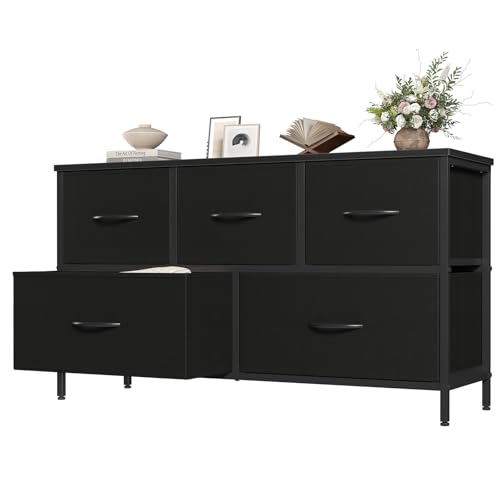
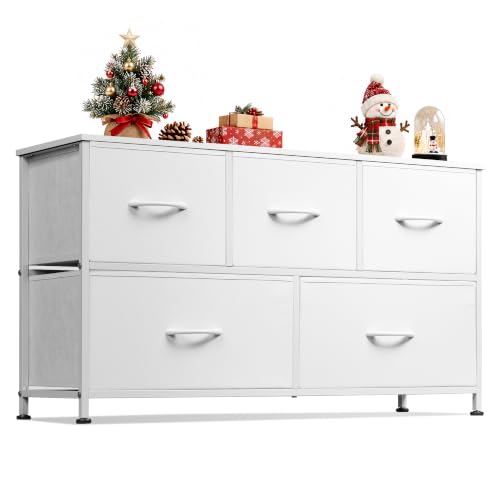
Short Dresser Buying Guide: Compact Storage That Works
A short dresser proves that less height does not mean less storage. Whether you are furnishing a compact bedroom, fitting out a closet, or seeking a low-profile piece beneath a window, this guide walks you through sizing, drawer layouts, materials, and styling so you can choose with confidence.
Explore Buying FactorsQuick insight: A short dresser generally measures 30 to 42 inches in height and prioritizes width over vertical stacking. This horizontal orientation keeps the top surface at a comfortable reach while preserving wall space above for mirrors, art, or shelving. If you have been searching for a short dresser for bedroom use or a short dresser for closet organization, the sections below will help you compare options systematically.
What Exactly Counts as a Short Dresser?
The term "short dresser" is descriptive rather than standardized. In practice, furniture retailers and interior designers use it to describe a dresser whose height sits below eye level for most adults, usually between 30 and 42 inches. This differs from a tall chest of drawers, which can exceed 50 inches and stacks drawers vertically in a narrow footprint.
A short dresser often pairs a generous width, frequently 50 to 70 inches, with a shallower depth of around 16 to 20 inches. The result is a piece that spreads storage horizontally rather than upward. This layout suits rooms where wall space above the furniture is needed for other purposes, and it keeps the top surface accessible for everyday items such as lamps, jewelry trays, or a mirror.
Related configurations worth exploring include the short wide dresser, which maximizes horizontal capacity, and the short chest of drawers for closet, designed to slot beneath hanging rods. If your space is particularly tight, a shallow dresser combines a low profile with reduced depth for narrow walkways.
Why a Short Dresser Might Be Your Best Fit
Choosing a shorter silhouette is not merely an aesthetic decision. It solves several practical problems that taller furniture can create in a bedroom or storage area.
- Preserves vertical wall space: A low dresser leaves room above for a mirror, floating shelves, or artwork, which is especially valuable in rooms with limited wall area.
- Improves accessibility: The top drawers sit within easy reach for children, older adults, and anyone who prefers not to stretch or bend excessively.
- Fits beneath windows: A short dresser can sit under a standard window sill without blocking natural light, an option that taller chests cannot offer.
- Works in closets: A short dresser for closet placement fits below hanging sections, turning a single-purpose space into a combined wardrobe and drawer system.
- Creates visual balance: In a small bedroom, a lower piece keeps sightlines open and makes the room feel less crowded.
For rooms where floor area is the primary constraint, a small bedroom dresser idea often leans on short, wide proportions to deliver storage without overwhelming the layout.
Key Buying Factors to Evaluate
Height and Width Proportions
Measure the intended wall space before you shop. A typical short dresser runs 30 to 42 inches tall, but width varies widely. Confirm that the piece will not obstruct door swings, closet openings, or walkways. A short wide dresser can be an excellent anchor for a large blank wall, while a narrower slim dresser suits tighter corners.
Drawer Count and Layout
Short dressers typically offer four to eight drawers arranged side by side. Consider how you fold and store clothing: deep drawers suit bulky knitwear, while shallow drawers work well for delicates and accessories. A six drawer dresser in a short configuration often strikes a practical balance between capacity and footprint.
Depth and Clearance
Depth affects both usability and traffic flow. Standard dressers measure 18 to 20 inches deep, but a shallow depth dresser for small spaces can reduce the footprint to around 15 inches. Always account for drawer extension; a drawer that pulls out 14 inches needs that clearance in front of the unit.
Material and Construction Quality
Solid wood frames with dovetail or reinforced joinery represent the high-end tier of construction and tend to hold up over years of daily use. Engineered wood with quality veneers sits in the mid-range and offers a stable, uniform finish. Entry-level models may use particle board with cam-lock fittings; they can serve well in low-traffic settings but may not withstand frequent relocation. Whichever tier you consider, check drawer glide mechanisms, back panel stability, and any anti-tip hardware included.
Style and Finish
Short dressers appear across nearly every design language. A Scandinavian dresser brings clean lines and light wood tones, while a rustic dresser adds texture and warmth. For a softer look, consider a sage green dresser or a white dresser. The finish should complement existing bedroom furniture and flooring without competing for attention.
Short Dresser Configurations at a Glance
The table below compares common short dresser layouts by tier and intended use. It avoids numeric specifications so you can focus on relative positioning rather than absolute measurements.
| Configuration | Tier | Best For | Notable Traits |
|---|---|---|---|
| Short wide dresser | Mid-range to premium | Primary bedrooms with generous wall space | Maximum horizontal drawer capacity; often six to eight drawers |
| Short dresser for closet | Entry-level to mid-range | Walk-in closets and reach-in wardrobes | Low profile fits beneath hanging rods; compact depth |
| Shallow dresser | Mid-range | Narrow rooms and hallways | Reduced depth for tight clearances; often four to six drawers |
| Slim dresser | Entry-level to premium | Small apartments and studio layouts | Narrow width with vertical drawer stack; space-efficient |
| Short chest of drawers | Mid-range to luxury | Traditional bedrooms and guest rooms | Classic proportions; often solid wood construction |
Placement Ideas That Make the Most of a Short Dresser
Where you position a short dresser matters as much as the piece itself. In a bedroom, placing it opposite the foot of the bed creates a balanced visual anchor and keeps the top surface accessible. Beneath a window, a low dresser can double as a display surface without interrupting the view.
In a closet, a short dresser for closet placement beneath a hanging section converts dead space into folded-storage capacity. Pair it with a shelf for on top of dresser to add vertical organization without increasing the unit's height. For bedrooms that double as home offices, a side dresser for bedroom arrangement can serve as a secondary surface near a desk.
If you are working with a genuinely compact footprint, review our guide to shallow depth dressers for small spaces and the broader collection of small bedroom dressers for additional layout inspiration.
Organizing a Short Dresser Efficiently
Because a short dresser spreads storage horizontally, it rewards a deliberate organization strategy. Assign each drawer a category: one for tops, one for bottoms, one for loungewear, and so on. Use drawer dividers to keep folded stacks upright, which makes individual items visible at a glance.
For closets, a small 3 drawer dresser for closet can hold accessories and delicates while larger drawers handle bulkier items. Rotate seasonal clothing to the least accessible drawers and keep daily essentials in the top row. This approach keeps the dresser functional without requiring constant rearranging.
If you are refreshing an older piece rather than buying new, consider a repurposed dresser project or explore second hand dresser options before committing to a new purchase.
Style Directions for Short Dressers
Short dressers adapt to a wide range of interior styles. A retro dresser brings mid-century character with tapered legs and clean drawer fronts. A Shaker dresser offers timeless simplicity through recessed panels and understated hardware. For a more decorative statement, a scalloped dresser introduces soft curves that contrast with the piece's low, horizontal form.
Color choices matter too. A black dresser grounds a light-filled room, while a rustic white dresser keeps a farmhouse aesthetic airy. If you prefer natural textures, a rustic wood dresser highlights grain and warmth.
Frequently Asked Questions
What is considered a short dresser?
A short dresser typically stands between 30 and 42 inches tall, making it lower than a standard chest of drawers. It usually features a wide, horizontal design with side-by-side drawers rather than a tall, vertical stack.
Is a short dresser good for small bedrooms?
Yes. A short dresser preserves wall space above for mirrors, artwork, or shelving while still providing generous drawer capacity across its width. It keeps sightlines open and helps a compact room feel less crowded.
Can a short dresser be used in a closet?
Absolutely. A short dresser for closet use fits neatly beneath hanging rods or on shelving units, turning unused vertical space into functional storage for folded clothing and accessories.
What drawer count should I look for in a short dresser?
Most short dressers offer between four and eight drawers. A six-drawer configuration is a popular balanced choice, providing enough capacity for clothing without becoming too tall or too deep.
How do I prevent a short dresser from tipping?
Always use the anti-tip strap or wall anchor supplied with the dresser. Secure it to a wall stud, and avoid placing heavy items in the top drawers. This is especially important in households with children.
Ready to Compare Short Dresser Options?
Browse recommended short dressers and compact storage pieces selected for their build quality, drawer mechanics, and practical footprint. Use the product section below to check availability and explore specifications side by side.
View Recommended Options