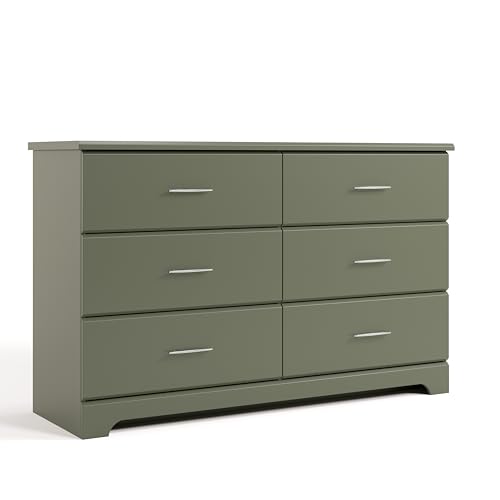
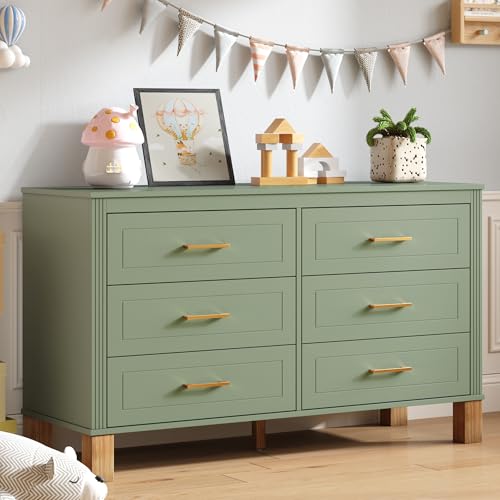
Sage Green Dresser for Nursery: A Calm, Practical Choice for Baby's Room
Learn how to pick a sage green nursery dresser that fits your space, keeps your baby safe, and grows with your child through the toddler years.
View Recommended OptionsWhy Choose a Sage Green Dresser for a Nursery
Sage green sits between gray and green, which makes it forgiving in small rooms and easy to pair with other furniture. Unlike bright greens, sage does not overwhelm a nursery, and unlike pure gray, it adds a soft warmth that helps the room feel welcoming.
From a design standpoint, a sage green dresser gives you flexibility. You can keep the rest of the nursery in white or natural wood and let the dresser carry the color, or layer in soft pinks, creams, or mustard accents. If you later move the dresser into a guest room or hallway, the color still works, which makes it a more versatile long-term purchase than a themed or heavily patterned piece.
From a practical standpoint, a nursery dresser does more than store clothes. In most nurseries it becomes the changing station, the diaper and wipe depot, and the place where bedtime books and swaddles live. Choosing the right size and drawer layout matters as much as the finish, so the next sections cover those decisions in detail.
Key Factors When Buying a Nursery Dresser
1. Size and Footprint
Measure the available wall space before you shop. A mid-range dresser between 30 and 40 inches wide fits most nurseries and leaves room for a crib and a glider. If your nursery is small, consider a small bedroom dresser layout or a narrow, taller design. Tall dressers save floor space but need secure anchoring because they tip more easily.
Also check the depth. A shallow dresser keeps the walkway clear in tight rooms, while a deeper top gives you more surface for a changing pad and supplies. If you plan to use the dresser as a changing table, the top should be at a comfortable height for you to stand and change a baby, typically around waist level.
2. Drawer Count and Layout
Nursery storage breaks down into three categories: clothing, diapering supplies, and bedding or blankets. A three to six drawer dresser handles all three comfortably. Wide, shallow drawers work well for folded clothes, while deeper drawers suit blankets and larger items.
- 3 to 4 drawers: good for small nurseries or as a secondary storage piece.
- 5 to 6 drawers: the most practical mid-range setup for a full nursery wardrobe and changing supplies.
- Tall dressers: useful in tight spaces, but always anchor them and keep heavier items in lower drawers.
If you want a dresser that transitions to a child's room later, look for a six drawer dresser layout, which gives you room to grow without replacing furniture in two years.
3. Safety Features
Safety is the most important part of any nursery furniture decision. A dresser must be anchored to the wall, especially in a room where a toddler will eventually pull themselves up on drawers. Look for anti-tip kits included with the dresser, or plan to buy one that matches your wall type.
Drawer stops or soft-close glides prevent drawers from pulling all the way out and reduce the chance of pinched fingers. If you plan to place a changing pad on top, use a rubber changing pad for dresser to keep the pad from sliding, and follow the guide to securing a changing pad to a dresser for a stable setup.
- Anti-tip strap anchored to a wall stud.
- Drawer stops or soft-close glides.
- No sharp edges or exposed hardware within a child's reach.
- Changing pad secured with a non-slip base or straps.
- Heavier items stored in lower drawers.
4. Materials and Finish Quality
Solid wood construction, such as oak, maple, or pine, offers durability and can be refinished later. Engineered wood with a quality veneer is a common mid-range option and can look just as good, provided the edges and drawer boxes are well finished.
For a sage green finish, check whether the color is painted, lacquered, or a stained wood tone. Painted finishes are easy to touch up if a corner gets chipped. Low-VOC or water-based finishes are worth prioritizing in a nursery, since they reduce off-gassing in a small, often closed room.
5. Hardware and Drawer Glides
Drawer glides affect daily use more than most buyers expect. Metal ball-bearing glides feel smoother and last longer than basic wood-on-wood runners. Soft-close glides are a practical upgrade in a nursery because they reduce noise during nap time and prevent drawers from slamming.
Knobs and pulls should be smooth and securely attached. If you plan to change the hardware later to match a theme, choose a dresser with standard hole spacing so replacements are easy to find.
How Sage Green Compares With Other Nursery Dresser Colors
Color choice affects how the room feels and how easily the dresser blends with future changes. The table below compares common nursery dresser colors using tier descriptors rather than numeric values.
| Color | Best For | Styling Notes |
|---|---|---|
| Sage green | Calm, gender-neutral nurseries | Pairs with white, natural wood, cream, soft pink, mustard |
| White | Bright, minimalist rooms | Easy to match, shows smudges more readily |
| Natural wood | Scandinavian and farmhouse themes | Warm tone, works with most color palettes |
| Gray | Modern, neutral nurseries | Cool tone, pairs well with sage and blush accents |
| Navy or dark blue | Bold, themed rooms | Strong anchor piece, needs lighter walls to balance |
Styling a Sage Green Dresser in the Nursery
Once the dresser is anchored and organized, styling is what makes the room feel finished. Keep the top surface functional first: a changing pad, a small basket for diapers and wipes, and a lamp with a warm bulb. Decorative items can go on a shelf above the dresser or on a tray that is easy to lift off during changes.
For wall decor, consider a round mirror or a set of framed prints in muted tones. Sage green pairs naturally with cream, oatmeal, and warm wood, so keep frames in those tones rather than introducing too many competing colors. If you want a focal point, a single large piece of art above the dresser reads cleaner than a crowded gallery wall in a small nursery.
Storage baskets on open shelves or beside the dresser help corral small items like socks, hats, and burp cloths. Clear or labeled bins make it easier for a tired parent to find things during night changes.
Organizing the Dresser for Night Changes
Night changes are faster when the dresser is organized by frequency of use. Put the most-used items in the top drawer, within arm's reach of the changing area. That usually means diapers, wipes, and a few onesies. The second drawer can hold sleepers and swaddles, while lower drawers store bedding, blankets, and out-of-season clothing.
Drawer dividers help separate sizes and categories, especially in the first year when baby clothes change size quickly. A simple rule is to keep the current size in the top drawer and the next size up in the drawer below, so you are not digging through bins at 3 a.m.
For a deeper organization plan, the dresser organization guide covers folding techniques and seasonal rotation that work for both nurseries and adult bedrooms.
When to Consider a Different Dresser Style
Sage green is versatile, but the style of the dresser should match the room and your long-term plans. A Scandinavian dresser in a light sage tone suits minimalist nurseries, while a Shaker dresser with clean lines works in both traditional and modern rooms.
If you want a piece that can move to a guest room later, a sage dresser with a classic silhouette is easier to repurpose than a heavily themed nursery design. For smaller rooms, a short dresser for bedroom layout keeps sightlines open and makes the room feel larger.
If you are still deciding between a dresser and a chest, the comparison of dresser vs chest of drawers explains which layout suits which storage needs.
Frequently Asked Questions
Is a sage green dresser suitable for a nursery?
Yes. Sage green is a calm, gender-neutral color that suits many nursery themes. What matters most is the dresser's safety features, size, and construction quality rather than the color itself.
How do I secure a nursery dresser to the wall?
Use an anti-tip anchoring kit that matches your wall type. Attach the strap or bracket to a wall stud and the dresser frame according to the manufacturer's instructions, and check the anchor periodically.
What size dresser fits best in a nursery?
A mid-range three to six drawer dresser, roughly 30 to 40 inches wide, fits most nurseries and doubles as a changing station. Small nurseries can use a narrow or tall dresser to save floor space.
Does sage green match other nursery furniture?
Sage green pairs well with white, natural wood, cream, and warm neutrals. It also works with soft pink, mustard, or terracotta accents, making it easy to blend with existing pieces.