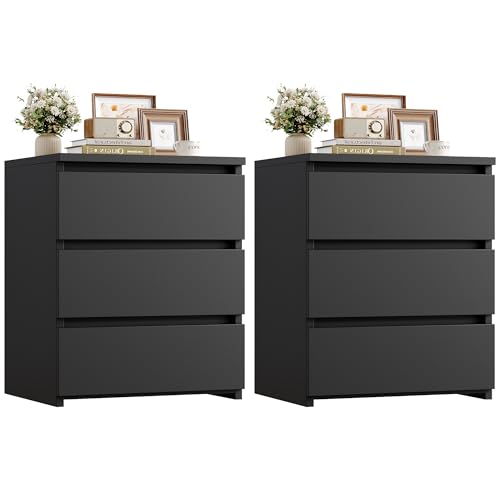
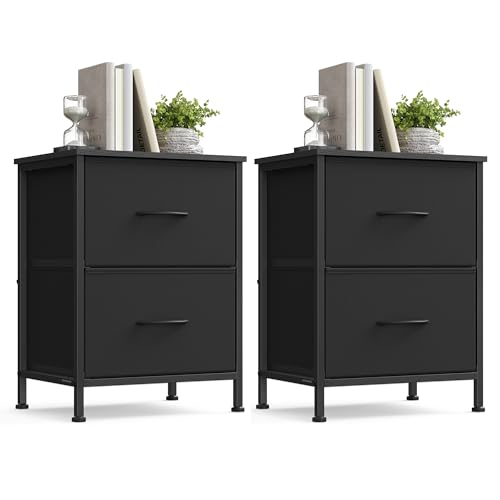
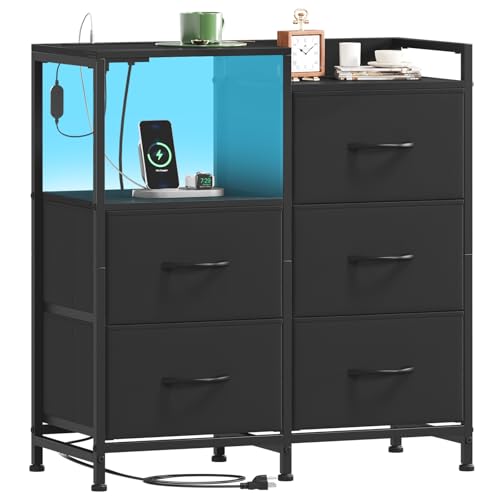
Nightstand Dresser: The Smart Solution for Bedside Storage
When floor space is tight but storage needs are high, a nightstand dresser bridges the gap between compact bedside table and full bedroom chest. Learn how to choose the right configuration, size, and style for your room.
Explore Buying ChecklistWhy a nightstand dresser makes sense: A traditional nightstand holds a lamp, a book, and perhaps a glass of water. A nightstand dresser does all of that while adding two to four drawers of genuine clothing storage. For small bedrooms, studio apartments, guest rooms, and shared spaces, this hybrid piece can replace a separate bedside table and a bulky chest of drawers at the same time.
What Is a Nightstand Dresser?
A nightstand dresser is a hybrid furniture piece that combines the footprint and height of a bedside table with the drawer capacity of a small dresser. It typically stands between 22 and 32 inches tall, measures 18 to 30 inches wide, and includes two to four drawers. Some designs pair it with a matching full-size dresser as part of a coordinated set, while others function as standalone storage.
The concept solves a common bedroom problem: traditional nightstands offer almost no drawer space, while full dressers are too deep and too wide to sit comfortably beside a bed. A nightstand dresser occupies the same vertical footprint as a lamp table but delivers meaningful storage for folded clothes, linens, sleepwear, and accessories.
Nightstand Dresser vs. Standard Nightstand vs. Chest of Drawers
Before choosing a piece, it helps to understand how a nightstand dresser differs from the furniture it replaces. The table below compares the three categories across the factors that matter most during a purchase decision.
| Category | Typical Height | Storage Capacity | Best For |
|---|---|---|---|
| Standard Nightstand | 20–26 inches | One or two shallow drawers, open shelf | Essentials only: lamp, phone, book |
| Nightstand Dresser | 22–32 inches | Two to four deeper drawers | Small bedrooms, guest rooms, apartments |
| Chest of Drawers | 30–50 inches | Four to six or more full-size drawers | Primary clothing storage for a full wardrobe |
The mid-range height of a nightstand dresser is deliberate. It keeps the top surface within comfortable reach of a mattress, so a lamp or alarm clock remains usable, while the extra drawer depth handles folded items that a standard nightstand cannot accommodate.
Key Sizes and How to Measure Your Space
Fit is the single most common reason buyers regret a bedside furniture purchase. A nightstand dresser that is too wide blocks access to the bed; one that is too tall makes the lamp awkward to reach. Use the following ranges as a starting reference, then measure your actual room.
- Width: 18–30 inches. Measure the gap between the mattress edge and the wall or closet door swing. Leave at least 2 inches of clearance on each side.
- Depth: 15–20 inches. Deeper units reduce walking space. A 16-inch depth is a practical default for narrow rooms.
- Height: 22–32 inches. The top surface should sit level with or slightly below the mattress top for comfortable reach.
- Drawer interior height: 4–7 inches. Deeper drawers suit folded sweaters; shallower drawers suit socks, accessories, and sleepwear.
If your bedside gap is narrower than 18 inches, consider a narrow dresser for a small bedroom that can be placed at the foot of the bed instead. If you have slightly more room, a nightstand and chest of drawers set can coordinate the two pieces visually while keeping the layout flexible.
Drawer Configurations: Two, Three, or Four Drawers
The drawer count determines how the piece functions in daily use. Each configuration suits a different storage strategy.
Two-Drawer Nightstand Dresser
The most compact option. Two medium-depth drawers typically hold sleepwear, socks, and a few folded tops. It works well in guest rooms where the primary wardrobe lives elsewhere, or beside a bed that already has under-bed storage. A three-drawer dresser in natural wood is a close alternative when one additional drawer is needed without a wider footprint.
Three-Drawer Nightstand Dresser
The most balanced choice for a primary bedroom. Three drawers allow a simple division: one for sleepwear, one for folded tops, one for accessories or linens. This configuration is common in mid-range and premium lines because it uses vertical space efficiently without crowding the bedside. Models such as a modern three-drawer dresser pair well with a compact bed frame.
Four-Drawer Nightstand Dresser
Four drawers push the piece toward small-dresser territory. This is the right pick for a studio apartment or a room without a closet, where the nightstand must carry real clothing volume. Look for a modern four-drawer dresser with full-extension glides so the lower drawers remain usable.
Ready to compare real options? Browse curated nightstand dresser picks matched to your room size and drawer needs.
View Recommended Nightstand DressersMaterials and Build Quality
Bedside furniture takes daily contact: lamp bases, books, phones, and hands. Build quality determines whether the piece stays stable after years of use. The table below maps construction tiers to expected characteristics so you can judge listings without relying on marketing language.
| Tier | Typical Construction | Drawer Glides | Best For |
|---|---|---|---|
| Entry-level | Engineered wood with laminate or paper veneer | Side-mounted roller glides | Guest rooms, dorm spaces, short-term use |
| Mid-range | Solid wood frame with veneer panels; dovetail or stapled drawer boxes | Ball-bearing side glides or basic soft-close | Primary bedrooms, everyday use |
| Premium | Solid hardwood, dovetail joinery, reinforced corner blocks | Full-extension soft-close under-mount glides | Long-term investment, heavy daily use |
| Luxury | Kiln-dried hardwood, hand-finished, bench-built drawers | Premium undermount glides with adjustable tension | Design-led interiors, flagship bedroom suites |
At the entry level, engineered wood is perfectly serviceable, but check that the back panel is attached rather than stapled loosely. At the mid-range, prioritize dovetail drawer joints and ball-bearing glides; these two features drive most of the difference in daily feel. Premium and luxury tiers add full-extension glides, which let you reach the back of each drawer without removing it.
For a deeper comparison of wood types and finishes, see the modern solid wood chest of drawers guide and the broader materials overview on the natural wood dresser page.
Style Options That Fit Different Bedrooms
Because the nightstand dresser sits at eye level beside the bed, its style has an outsized visual impact. Match it to the dominant style of the room rather than to a single other piece.
- Modern and minimalist: Clean lines, handle-less or slim bar pulls, matte finishes. A modern dresser for the bedroom style keeps the bedside visually quiet.
- Farmhouse and cottage: Planked tops, painted finishes, cup pulls. A modern farmhouse bedroom dresser blends rustic texture with cleaner proportions.
- Traditional and mission: Slatted sides, warm wood tones, substantial hardware. See the mission dresser collection for reference.
- White and bright: White finishes reflect light and suit small rooms. A narrow white dresser can serve as a bedside piece in tight layouts.
- Statement color: Navy, mustard, and black finishes add contrast. Compare the navy blue dresser and mustard dresser options for accent-led rooms.
Coordinating a Nightstand Dresser With a Full Dresser
Many buyers pair a bedside nightstand dresser with a larger dresser elsewhere in the room. Coordination matters more than exact matching. Two approaches work reliably:
- Matched set: Purchase a coordinated pair so the finish, hardware, and edge profiles align. A nightstand with matching dresser set removes guesswork, and a nightstand set of two with a dresser suits couples who want symmetry on both sides of the bed.
- Deliberate contrast: Use the same wood tone but a different silhouette, or the same silhouette in a contrasting finish. A natural wood dresser and nightstand set shows how tonal consistency can hold a room together without literal matching.
For mirrored or glam styles, a mirrored dresser and nightstand pairing reflects light and makes small bedrooms feel larger. If you prefer a softer palette, a white nightstand and dresser set keeps the room bright and airy.
Organization Tips for a Nightstand Dresser
Small drawers reward a disciplined layout. Because each drawer is shallow, assign a single category per drawer and use dividers to prevent drift.
- Top drawer: Items used daily or nightly — sleepwear, reading glasses, phone cable, hand cream.
- Middle drawer: Folded tops, socks, or undershirts, stored in vertical file folds so you can see every item.
- Bottom drawer: Seasonal or occasional items — spare linens, off-season sleepwear, travel accessories.
- Top surface: Keep it to three objects or fewer: a lamp, a clock or phone stand, and one decorative item. Clutter on the top surface makes the whole room feel disorganized.
For a full walkthrough of drawer division and folding methods, see the dresser organization guide linked from the buying resources section below.
Nightstand Dresser Buying Checklist
Before you buy, confirm each item:
- Measured the bedside gap in width, depth, and height
- Checked that the top surface sits within reach of the mattress
- Confirmed the drawer count matches your storage categories
- Verified the drawer glides are ball-bearing or soft-close for daily use
- Inspected whether drawer boxes use dovetail or stapled joinery
- Checked that the finish matches or deliberately contrasts with the main dresser
- Confirmed the unit includes anti-tip hardware or a wall-anchoring kit
- Read the assembly requirements and whether tools are included
Anti-tip safety deserves special attention in bedrooms used by children. Any drawer unit taller than 27 inches should be anchored to the wall, and many premium nightstand dressers ship with a mounting bracket in the box. For nursery-adjacent rooms, review the nursery dresser with changing top options, which add a secured changing surface to the same compact footprint.
Common Mistakes to Avoid
- Buying too wide: A nightstand dresser that overlaps the mattress edge forces you to lean awkwardly to reach the lamp. Measure the gap, then subtract two inches.
- Ignoring drawer depth: A deep drawer on a bedside unit can be hard to reach when the bed is made. Prefer 4–6 inch drawer interiors unless you specifically need sweater storage.
- Mismatching heights across the bed: If you place nightstands on both sides, keep the top surfaces level. Uneven heights look accidental and make one side less usable.
- Overlooking the back panel: A thin, unattached back panel allows the unit to rack side to side over time. Check that the back is fastened at multiple points.
- Skipping wall anchoring: This is a safety issue, not a stylistic one. Anchor the unit even if no children live in the home.
Frequently Asked Questions
What is the difference between a nightstand dresser and a regular dresser?
A nightstand dresser is scaled to bedside proportions: shorter, narrower, and shallower than a full dresser. It typically offers two to four drawers and stands 22–32 inches tall, while a regular dresser is wider, deeper, and designed to hold a full wardrobe.
Can a nightstand dresser replace a full dresser entirely?
In a studio apartment or a room with a large closet, yes. A four-drawer nightstand dresser can hold a compact wardrobe if you fold efficiently and use drawer dividers. For a full wardrobe with bulky items, pair it with a larger dresser or a closet system.
What height should a nightstand dresser be?
The top surface should sit level with or slightly below the mattress top, usually 22–28 inches for standard beds. This keeps a lamp and alarm clock within comfortable reach while lying down.
Do I need to anchor a nightstand dresser to the wall?
Yes, any drawer unit taller than 27 inches should be anchored, and anchoring is strongly recommended for all drawer furniture in homes with children or pets. Most quality units include anti-tip hardware.
How do I match a nightstand dresser to my existing bed frame?
Match the wood tone or finish first, then the hardware style. If an exact match is unavailable, choose a piece that shares one strong attribute — the same wood species, the same metal finish, or the same leg profile — rather than attempting to match everything.
Are soft-close drawers worth choosing for a nightstand dresser?
Soft-close glides are a meaningful upgrade at the bedside because drawers are opened and closed frequently, often at night. They reduce noise and prevent slamming, and they are standard on mid-range and premium units.
Related Buying Resources
If you are still narrowing down the right piece, these guides cover adjacent decisions:
- Modern dresser with soft-close drawers — why glide quality matters for daily use.
- Narrow chest of drawers for small spaces — when a bedside unit is not quite enough.
- Modern dresser and nightstand set — coordinated pairings for a unified bedroom.
- Night dresser — alternative naming and configurations for bedside storage.
- Natural wood nightstand and dresser — warm-toned matched sets.
- Navy blue dresser and nightstand set — a bold, cohesive color pairing.