Night Dresser: The Complete Guide to Bedside Storage
A night dresser bridges the gap between a compact nightstand and a full-size dresser. It delivers accessible bedside storage for clothing, books, and essentials while keeping your bedroom visually balanced. This guide explains sizes, drawer layouts, materials, and practical selection criteria so you can choose with confidence.
Explore Recommended OptionsWho this guide is for: If you have already shortlisted a night dresser and need trustworthy, decision-ready information before purchasing, this page walks you through every factor that matters — from footprint and drawer count to material durability and safety. The goal is simple: help you pick the right piece the first time.
What Is a Night Dresser?
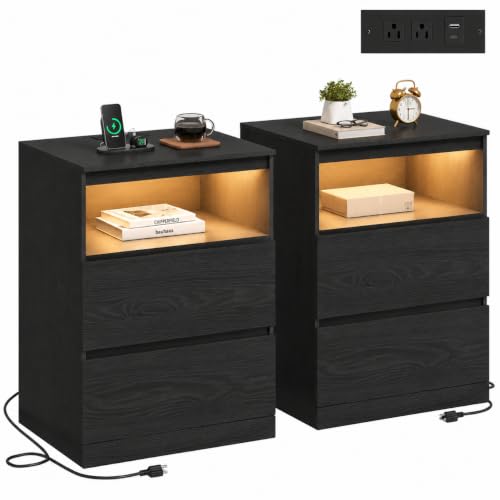
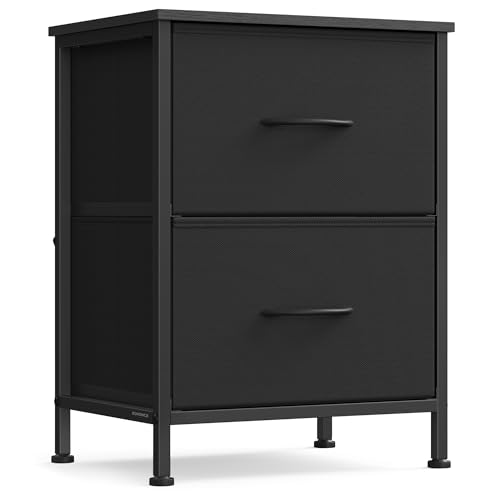
A night dresser is a hybrid storage piece positioned beside the bed. It is typically taller and deeper than a standard nightstand but narrower than a full dresser, which makes it ideal for bedrooms where floor space is limited but drawer capacity still matters. In practice, a night dresser usually houses three to five drawers and stands at a height that aligns with the top of your mattress for convenient reach.
Unlike a conventional nightstand, which often prioritizes a surface for a lamp and a single drawer, a night dresser emphasizes clothing and personal-item storage. It is especially useful for people who prefer to keep sleepwear, loungewear, and bedside essentials within arm's reach rather than walking to a larger dresser across the room. For a broader comparison of bedside storage categories, see our guide to nightstand dresser combinations.
Night Dresser vs Nightstand vs Full Dresser
Understanding where a night dresser sits in the furniture spectrum helps you avoid buying the wrong piece. The table below summarizes the key differences across the three main options.
| Category | Typical Footprint | Drawer Capacity | Best For |
|---|---|---|---|
| Standard nightstand | Compact, shallow | 1–2 drawers | Minimal bedside essentials |
| Night dresser | Moderate width, deeper body | 3–5 drawers | Bedside clothing and personal items |
| Full dresser | Wide or tall, substantial depth | 6 or more drawers | Primary clothing storage for a room |
If your bedroom already has a large dresser, a night dresser can serve as a secondary storage zone for everyday items. If you are furnishing a compact room, a night dresser may replace a full dresser entirely. For rooms with very tight clearance, a narrow dresser for a small bedroom or a slim narrow dresser can be a smarter fit than a standard night dresser.
Key Sizes and Dimensions to Consider
Size is the single most important factor when selecting a night dresser. Measure your available floor space, the distance to the bed, and the height of your mattress before comparing products. As a practical starting point, a night dresser usually ranges from roughly 24 to 40 inches in width, 15 to 20 inches in depth, and 24 to 32 inches in height. These ranges vary by design, so always confirm the exact dimensions listed by the manufacturer.
- Width: Ensure there is enough clearance to open drawers fully without hitting the bed frame or wall.
- Depth: Deeper bodies store more but reduce walking space beside the bed.
- Height: The top surface should sit near mattress height for comfortable access to a lamp, phone, or glass of water.
- Drawer extension: Confirm whether drawers use full-extension slides or partial extension, as this affects usable space.
If you need a piece that fits a very specific footprint, consider a narrow dresser with deep drawers for extra capacity without added width. For rooms where every inch counts, a narrow set of drawers for the bedroom can work well as a bedside unit.
Drawer Layouts and Internal Organization
Drawer configuration matters more than raw drawer count. A night dresser with three well-proportioned drawers often feels more usable than one with five shallow drawers that cannot hold folded clothing. When evaluating layouts, consider the following:
- Top drawer depth: Ideal for smaller items such as glasses, chargers, and personal accessories.
- Middle drawers: Best suited for folded sleepwear, t-shirts, or loungewear.
- Bottom drawer: Useful for bulkier items such as sweaters or bedding accessories.
- Drawer dividers: Some night dressers include built-in dividers; others accept aftermarket organizers.
- Soft-close mechanisms: Often found in mid-range and premium tiers, these reduce noise and wear.
If smooth, quiet operation is a priority, look for models described as having soft-close drawers. Our overview of a modern dresser with soft-close drawers explains how this feature affects long-term usability.
Materials and Build Quality
Night dressers are available across several material categories, each with distinct trade-offs. The classification below uses tier descriptors rather than numeric comparisons so the guidance stays relevant over time.
| Tier | Typical Materials | Durability | Best For |
|---|---|---|---|
| Entry-level | Engineered wood, laminated particleboard | Moderate; suitable for light use | Guest rooms, temporary setups |
| Mid-range | Solid wood frame with engineered panels | Good; reinforced joinery | Primary bedrooms, daily use |
| Premium | Solid hardwood, dovetail joints | High; long-term investment | Frequent use, long-term ownership |
| Luxury | Hardwood, hand-finished detailing | Excellent; furniture-grade construction | Design-focused interiors |
Tier descriptors reflect relative market positioning and construction quality, not numeric comparisons.
Solid wood construction is generally more resistant to wear and can be refinished over time, while engineered wood is lighter and often more stable in humidity changes. For a deeper look at solid wood options, explore our resources on a natural wood dresser or a natural wood chest of drawers.
How to Choose the Right Night Dresser
Follow a structured approach so you do not overlook practical details during the buying process:
- Measure the space: Record width, depth, and height clearance, including door and drawer swing.
- Define storage needs: Count how many items you plan to store and estimate required drawer volume.
- Match mattress height: Choose a top surface that aligns comfortably with your bed.
- Decide on material tier: Balance durability expectations with how long you intend to keep the piece.
- Check safety features: Anti-tip hardware is essential for tall or narrow units, especially in homes with children.
- Confirm assembly requirements: Some models ship fully assembled, while others require significant setup.
If you prefer to avoid assembly altogether, a no-assembly-required dresser can save time and reduce the risk of improper setup. For design-conscious buyers, a modern dresser for the bedroom offers clean lines that pair well with contemporary interiors.
Styling a Night Dresser in the Bedroom
A night dresser is a functional piece, but it also contributes to visual balance. Keep the top surface intentionally sparse: a lamp, a small tray for personal items, and one decorative object is usually enough. Avoid crowding the surface, since a cluttered night dresser can make the entire bedroom feel unorganized.
For a cohesive look, consider pairing the night dresser with related pieces such as a nightstand with a matching dresser or a coordinated nightstand set and dresser. If your bedroom leans toward warmer, textured interiors, a natural wood nightstand and dresser pairing can unify the room.
Common Mistakes to Avoid
- Ignoring drawer swing clearance: Drawers that cannot open fully reduce usable capacity.
- Choosing height without measuring the mattress: A mismatched height leads to awkward daily use.
- Overlooking anti-tip hardware: Tall, narrow units should always be secured to the wall.
- Prioritizing drawer count over drawer size: Fewer, deeper drawers often store more than many shallow ones.
- Underestimating assembly time: Confirm whether the unit arrives assembled or flat-packed.
Frequently Asked Questions
Is a night dresser the same as a nightstand?
How many drawers should a night dresser have?
Can a night dresser replace a full dresser?
What material is best for a night dresser?
Do I need anti-tip hardware?
Final Checklist Before You Buy
- Measured floor space and confirmed drawer swing clearance.
- Verified the top surface height aligns with your mattress.
- Selected a drawer layout that matches your storage needs.
- Chosen a material tier consistent with expected use and ownership duration.
- Confirmed anti-tip hardware is included or available.
- Checked whether assembly is required and what tools are needed.
With these criteria in hand, you can compare night dresser options efficiently and select a piece that supports both daily function and the visual calm of your bedroom.