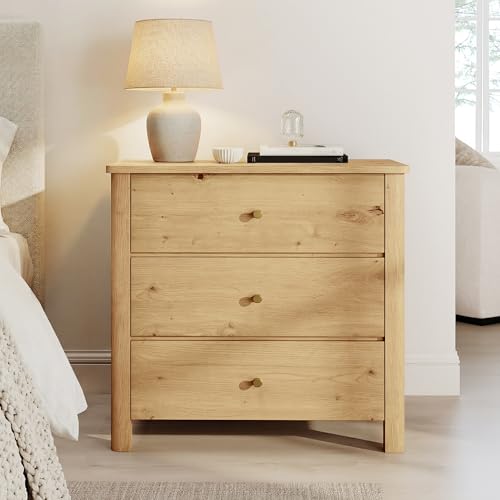
Natural Wood Three Drawer Dresser: A Complete Buyer's Guide
A natural wood three drawer dresser is one of the most versatile storage pieces you can add to a bedroom. It offers warm, honest materials in a compact footprint that fits guest rooms, nurseries, apartments, and primary bedrooms alike. This guide explains what to look for before you commit.
Explore Buying CriteriaWhy this guide matters: Shoppers researching a natural wood three drawer dresser usually already know they want solid wood and a compact footprint. The remaining questions are about wood species, drawer construction, finish durability, and how a three drawer unit fits into a real bedroom layout. Everything below is written to answer those questions clearly so you can decide with confidence.
What a Natural Wood Three Drawer Dresser Actually Is
A three drawer dresser is a compact chest of drawers, typically around 30 to 40 inches wide, with a stack of three pull-out drawers. When it is described as "natural wood," it usually means the piece is built from solid wood or wood veneer with a clear or lightly tinted finish that lets the grain and tone of the species show through. In other words, the finish does not hide the wood — it celebrates it.
This category sits between a nightstand and a full-width dresser. It holds enough clothing for one person's folded essentials, nursery supplies, or guest linens, but it does not demand the floor space of a six or nine drawer unit. That makes it a natural fit for smaller bedrooms, and it pairs well with matching storage such as a natural wood dresser and nightstand arrangement.
If you are comparing this size against larger alternatives, our natural wood dresser overview covers the full range of sizes and styles, while the three drawer format is the most space-efficient starting point.
Why Choose a Three Drawer Format
The appeal of a three drawer unit is not just size — it is how the format changes how you organize. With only three drawers, you are forced to be deliberate about what belongs where, which often results in a tidier, more functional bedroom. Here are the practical advantages:
- Small footprint: Fits into narrow bedroom layouts, under-window walls, and awkward corners where a wide dresser would not work.
- Easier to move: Lighter and more maneuverable than large chests, which matters for renters and apartment dwellers.
- Lower visual weight: A compact silhouette keeps small rooms feeling open rather than crowded.
- Focused storage: Ideal for folded clothing, linens, nursery items, or accessories without encouraging clutter.
- Flexible placement: Works in a bedroom, guest room, nursery, hallway, or as a secondary storage piece in a closet.
For households that need a more substantial piece, a natural wood chest of drawers in a taller configuration offers more vertical storage without much more floor space.
Wood Species and What They Mean for the Look
The single biggest decision with a natural finish dresser is the wood species, because the finish is transparent and the grain is the design. Each species has a distinct personality, tone, and durability profile. The cards below summarize the most common options.
Oak
Dense, durable, and known for a prominent, open grain. Natural oak reads as warm and slightly rustic, making it a reliable choice for busy family bedrooms. See our natural oak dresser guide for the full picture.
Maple
A tight, fine grain with a pale, even tone. Maple is a strong performer for a clean, modern look and holds up well to daily wear.
Cherry
Starts with a warm reddish-brown and deepens over time when exposed to light. Cherry is a classic choice for traditional and transitional bedrooms.
Walnut
Rich, chocolate-toned, and visually dramatic. Walnut pairs well with premium and luxury tier interiors and tends to anchor a room.
Pine
Softer and lighter, with a casual, cottage feel. Pine is common in entry-level and starter tier pieces and suits relaxed, farmhouse-inspired spaces.
Rubberwood / Mixed Hardwood
Often used as a core under a veneer or finish. Quality varies widely, so check the spec sheet for the actual construction method.
If you prefer a tone that leans darker or cooler, the natural wood dresser with black hardware style shows how hardware and finish can shift the entire mood of a natural piece.
Buying Criteria: What to Check Before You Commit
Once you have a species in mind, the real decision comes down to construction quality, finish durability, and fit. These are the areas where entry-level and premium pieces diverge most.
Drawer Construction
Drawer boxes are the hardest-working part of a dresser. Look for dovetail or box joints at the corners rather than stapled butt joints. Solid wood drawer sides with smooth-glide metal runners or wooden slides indicate a mid-range or premium build. Entry-level models may use thinner material and simpler slides, which is acceptable for light use but will show wear sooner under daily load.
Frame and Back Panel
A solid wood frame with a reinforced back panel resists racking when the dresser is moved or when drawers are opened and closed repeatedly. Check whether the back panel is thin hardboard or a structural component — this is a reliable indicator of overall tier.
Finish Durability
Natural wood finishes range from penetrating oils and waxes to lacquers and conversion varnishes. Oiled and waxed finishes feel more tactile but require periodic upkeep. Lacquered and varnished finishes are more resistant to spills and humidity but can show scratches more visibly. Both are valid; the right choice depends on how much maintenance you are comfortable with.
Safety Features
Anti-tip hardware is non-negotiable. Any dresser, including a compact three drawer unit, should be anchored to a wall stud. Look for included anchoring kits and a design that keeps the center of gravity low.
Size and Proportion
Measure your wall space, the path to the room, and the height of adjacent furniture. A three drawer dresser typically ranges from about 28 to 36 inches wide and 30 to 38 inches tall. Verify drawer depth as well — deeper drawers hold more but can make a small room feel heavier.
Comparing Tiers: Entry-Level, Mid-Range, and Premium
Because pricing language is intentionally avoided here, the comparison below uses universal quality tiers. Use it to understand what you are paying for at each level, not to compare exact figures.
| Tier | Typical Construction | Best For | Expected Wear Pattern |
|---|---|---|---|
| Entry-level | Engineered wood core, stapled or glued drawer boxes, basic slides | Guest rooms, light daily use, first apartments | Cosmetic wear and loosening joints after several years of daily use |
| Mid-range | Solid wood frame with veneer panels, dovetail or box-jointed drawers, smooth-glide slides | Primary bedrooms, nurseries, family homes | Stable performance; occasional refinishing or hardware tightening |
| Premium | Solid wood throughout, hand-fitted dovetail drawers, premium slides, high-grade finish | Long-term investment, design-led interiors, heirloom use | Minimal wear; ages gracefully with proper care |
Mid-range models usually offer the most balanced blend of durability and design flexibility, while premium pieces are worthwhile when the dresser is intended to stay in the family for decades.
How a Three Drawer Dresser Fits Different Rooms
Room context matters as much as the dresser itself. Here is how the format performs across common spaces:
- Primary bedroom: Works as a secondary piece alongside a larger dresser or wardrobe, or as the main storage in a compact primary suite.
- Guest room: Provides enough space for folded linens and a few days of clothing without overwhelming a small room.
- Nursery: A natural wood nursery dresser is a popular choice for its calm, non-toxic-looking finish and compact footprint. Combine it with a natural wood dresser for nursery checklist to cover safety and sizing.
- Apartment and dorm: Easy to move, easy to fit, and easy to live with in tight floor plans.
- Closet and hallway: Serves as overflow storage or a linen station.
For a coordinated look in smaller bedrooms, a natural wood dresser and nightstand set keeps the visual language consistent and simplifies shopping.
Organizing a Three Drawer Dresser Efficiently
With only three drawers, organization is everything. A simple, repeatable system keeps the unit useful for years:
- Top drawer — daily essentials: Underwear, socks, and small accessories. Use dividers to keep items visible and prevent clutter.
- Middle drawer — folded clothing: T-shirts, light sweaters, and workout wear. File-fold or roll items so you can see everything at a glance.
- Bottom drawer — bulky items: Jeans, heavy sweaters, or linens. The deepest drawer is best for the heaviest and least frequently accessed items.
If you are setting up a nursery, the same logic applies but with diapers and baby clothing in place of adult essentials. For more ideas, explore our nursery dresser organization guidance linked above.
Care and Maintenance for Natural Wood
Natural finishes reward a little attention. Dust weekly with a soft, dry microfiber cloth. Wipe spills immediately with a barely damp cloth and dry the surface right away. Keep the dresser out of direct, prolonged sunlight to prevent uneven fading, especially on cherry and walnut. If the finish is oiled or waxed, reapply the manufacturer-recommended product once or twice a year. Avoid silicone-based polishes and harsh household cleaners, which can dull the finish over time.
Frequently Asked Questions
What is the ideal room size for a natural wood three drawer dresser?
A three drawer dresser is a compact storage piece that works well in small to medium bedrooms, guest rooms, nurseries, and apartments. It suits spaces where a full-width dresser would crowd the room, and it pairs naturally with a bed and a single nightstand.
Which wood species is best for a natural finish dresser?
Oak, maple, cherry, walnut, and pine are all popular for natural finish dressers. Oak and maple are valued for durability and a clean grain, cherry and walnut offer deeper tones that darken with age, and pine is a softer option often used in casual and cottage-inspired rooms.
How much weight can a three drawer wood dresser hold?
Capacity depends on drawer construction and the frame. Mid-range and premium models with dovetail joints and solid wood runners typically support more weight per drawer than entry-level models with stapled or glued joints. Always follow the manufacturer's stated load guidance and avoid overloading upper drawers.
Do I need to anchor a three drawer dresser to the wall?
Yes. Anti-tip anchoring is recommended for all dressers, and it is essential in homes with children or pets. Even a compact three drawer dresser can tip if drawers are left open and weight shifts forward, so secure the unit to a wall stud using the supplied hardware.
How should I care for a natural wood finish?
Dust regularly with a soft dry cloth, wipe spills promptly, and avoid prolonged direct sunlight that can fade the finish. Use a mild wood-safe cleaner occasionally, and reapply a protective oil or wax only if the manufacturer recommends it for the specific finish.
Ready to Choose Your Natural Wood Three Drawer Dresser?
You now have the criteria that matter most: wood species, drawer construction, finish type, safety anchoring, and room fit. Use the checklist above to compare candidates, then browse recommended options below.
View Recommended Options