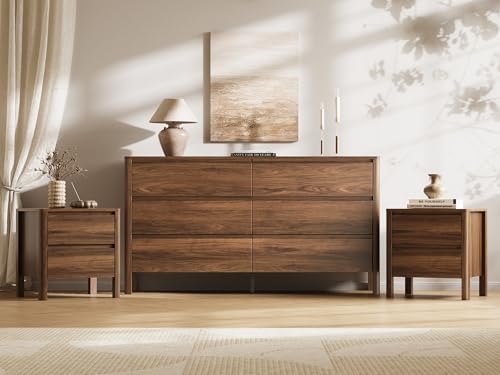
Matching Dressers: Create a Cohesive Bedroom
Discover how to choose matching dressers, chest of drawers, and nightstand sets that bring harmony and style to your bedroom. From wood tones to hardware finishes, learn the secrets of coordinated bedroom furniture.
Explore the GuideWhy Matching Dressers Matter: A coordinated bedroom set creates visual balance, simplifies shopping decisions, and elevates the overall design of your space. Whether you prefer a perfectly matched collection or a curated mix, understanding the principles of coordination helps you build a bedroom that feels intentional and polished.
What Are Matching Dressers?
Matching dressers are bedroom furniture pieces designed to coordinate with each other, typically including a dresser, a chest of drawers, and nightstands. These sets share consistent design elements such as wood species, finish color, hardware style, and proportional dimensions. The goal is to create a unified look that makes the bedroom feel thoughtfully designed rather than haphazardly furnished.
A matching dresser set can be as simple as a dresser and a single nightstand, or as comprehensive as a full bedroom collection that includes a bed frame, chest, and mirror. The right approach depends on your space, your existing furniture, and your personal style preferences.
Types of Matching Dresser Sets
Understanding the different configurations of matching dressers helps you choose the right combination for your bedroom layout and storage needs.
Dresser and Nightstand Set
The most popular matching combination pairs a dresser with one or two nightstands. This set provides balanced storage on both sides of the bed while keeping the dresser as the focal storage piece. A matching dresser and nightstand setup works well in primary bedrooms, guest rooms, and even larger kids' rooms. For a slightly different configuration, consider a dresser and night stand pairing that includes a taller nightstand for extra bedside storage.
When space allows, a matching dresser and nightstand set offers the convenience of buying coordinated pieces together, ensuring perfect consistency in finish and hardware. Many retailers offer these sets as bundled options, which simplifies the selection process.
Dresser and Chest of Drawers Set
For bedrooms with ample space, combining a wide dresser with a taller chest of drawers creates a comprehensive storage solution. A matching dresser and chest of drawers set is ideal for couples who need separate storage zones, or for anyone who wants to organize clothing by category across multiple pieces.
This configuration is particularly effective in master bedroom dresser designs where the dresser anchors one wall and the chest occupies a corner or opposite wall. The visual repetition of wood tone and hardware unifies the room without requiring every piece to be identical in size or shape.
Full Bedroom Collections
A complete matching set may include a bed frame, dresser, chest, and nightstands. A matching bed frame and dresser combination ensures the largest furniture pieces share the same design DNA, which is especially important in rooms where the bed and dresser are visible together from the doorway.
If you already have a bed frame you love, you can still achieve a coordinated look by selecting a matching dresser and bed frame from the same collection or by choosing a dresser that complements your existing bed's wood tone and style. Similarly, a matching chest of drawers and dresser pairing can be expanded over time as your storage needs grow.
Key Factors in Choosing Matching Dressers
Selecting the right matching dresser set requires attention to several design and practical factors. Here is what to consider before you commit.
Wood Tone and Finish
The most fundamental element of a matching set is consistent wood tone and finish. Whether you prefer the warm richness of mahogany dresser pieces, the clean look of maple dressers, or the versatility of mid-century modern dresser designs, the finish should read as a unified family across all pieces.
Natural wood finishes allow grain patterns to vary slightly between pieces, which is normal and desirable. Painted finishes, such as a matte black dresser or a low white dresser, offer more exact color matching. If you are coordinating with existing furniture, bring a drawer or color sample when shopping to compare finishes under the same lighting conditions.
Style and Design Language
Matching dressers should share a coherent design language. This includes leg style (tapered, turned, block, or sled), drawer front design (flat, shaker, raised panel, or routed), and overall silhouette (clean-lined, sculptural, or ornate). A mid-century dresser and nightstand set exemplifies how shared design elements create a cohesive look without the pieces being identical.
If your bedroom leans toward a specific aesthetic, choose matching dressers that reinforce it. For a sleek modern bedroom, a minimalist dresser paired with a matching nightstand keeps the look uncluttered. For a more traditional space, consider a luxury dresser with classic detailing and a coordinating chest.
Hardware Coordination
Drawer pulls and knobs are small details that have a big impact on the cohesiveness of a matching set. Matching dressers should use the same hardware finish and style across all pieces. Popular finishes include brass, matte black, nickel, and bronze. If you are mixing pieces from different collections, replacing the hardware with a consistent set is an effective way to unify them.
For a polished look, choose hardware that complements other metal elements in the room, such as lighting fixtures or curtain rods. Consistency in hardware creates visual rhythm and reinforces the intentionality of your design.
Proportion and Scale
Matching dressers do not need to be the same size, but they should relate to each other proportionally. A wide, low dresser paired with a taller chest creates a pleasing visual balance. Similarly, nightstands should be proportionate to the bed and the dresser—neither too small nor too large.
Consider the height of your bed when selecting nightstands. The top of the nightstand should be roughly level with or slightly below the top of the mattress for comfortable access. For the dresser, ensure there is enough clearance for drawers to open fully without obstructing doorways or other furniture.
Matching Dressers by Style
Different bedroom styles call for different approaches to matching dressers. Here is how to coordinate furniture across popular design aesthetics.
| Style | Key Characteristics | Matching Tips | Best For |
|---|---|---|---|
| Mid-Century Modern | Tapered legs, clean lines, warm wood tones | Use a mid-century dresser with matching nightstands in the same wood and leg style | Retro-inspired and contemporary bedrooms |
| Modern Minimalist | Streamlined silhouettes, neutral finishes, minimal hardware | Pair a minimalist dresser with simple, low-profile nightstands | Small bedrooms and clean, uncluttered spaces |
| Traditional | Ornate detailing, rich wood, classic hardware | Coordinate a mahogany dresser with a matching chest and nightstands | Formal bedrooms and classic home interiors |
| Luxury | Premium materials, statement hardware, refined finishes | Select a luxury dresser and matching pieces from the same high-end collection | Primary suites and upscale bedrooms |
| Low-Profile | Low height, wide surface, contemporary feel | Combine a low-profile dresser with low nightstands for a unified horizontal line | Rooms with low windows or sloped ceilings |
How to Mix and Match Without Looking Mismatched
Not every bedroom needs a factory-matched set. In fact, a curated mix of coordinated pieces often looks more sophisticated than an identical collection. Here is how to achieve a cohesive look when your dressers are not from the same line.
- Anchor with one common element: Choose a shared wood tone, finish color, or hardware finish and let that be the thread that ties the pieces together.
- Repeat shapes and lines: If your dresser has tapered legs, look for nightstands with similar leg profiles. If the dresser has flat drawer fronts, avoid ornate nightstands with raised panels.
- Vary heights for visual interest: A tall chest next to a low dresser creates dynamic visual contrast. Just ensure the styles are compatible.
- Use hardware as a unifier: Swapping out drawer pulls on mismatched pieces to a consistent style is one of the easiest ways to create a matching look.
- Consider a matching dresser and side table pairing if you need flexible bedside storage that doubles as a nightstand.
Matching Dressers for Specific Rooms
The room type influences how matching dressers should be selected and arranged.
Primary Bedroom
In a master bedroom dresser setup, matching pieces should feel intentional and elevated. A wide dresser paired with two matching nightstands and a coordinating chest creates a complete, polished look. For added function, consider a master bedroom dresser with mirror that ties the set together visually.
Guest Bedroom
Guest rooms benefit from matching dressers that offer practical storage without overwhelming the space. A single dresser with one or two matching nightstands is usually sufficient. Choose pieces that are proportionate to the room size and leave adequate walking clearance.
Kids' and Nursery Rooms
In children's rooms, matching dressers should prioritize safety and durability alongside style. A mid-century modern changing table dresser can coordinate with a matching chest or nightstand to create a cohesive nursery that grows with your child. Ensure all pieces are properly anchored to the wall for safety.
Materials and Finishes for Matching Sets
The material and finish you choose for your matching dressers affects both the aesthetic and the longevity of your furniture.
Solid Wood
Solid wood dressers, such as mahogany dressers or maple wood dresser pieces, offer durability and a natural beauty that improves with age. When selecting a matching set in solid wood, pay attention to grain patterns across pieces—they should be complementary even if not identical.
Engineered and Veneer
Engineered wood with veneer finishes can provide consistent color and grain across matching pieces at a more accessible tier. These pieces are often lighter in weight and can be an excellent choice for guest rooms or apartments where furniture may be moved more frequently.
Painted Finishes
Painted finishes offer the most exact color matching across pieces. A white dresser and matching nightstands create a clean, bright bedroom aesthetic. Painted finishes are also easier to touch up if scratches occur, making them a practical choice for busy households.
Mixed Materials
For a more contemporary look, consider matching dressers that incorporate mixed materials such as metal legs, glass tops, or upholstered panels. A marble top dresser paired with a matching marble-top nightstand creates a luxurious, coordinated look that feels modern and refined.
Storage Considerations for Matching Dresser Sets
Matching dressers should not only look cohesive but also serve your storage needs effectively.
- Drawer count: A six-drawer dresser paired with a three-drawer nightstand provides ample storage for one person. Couples may prefer a mid-century modern 6 drawer dresser combined with a taller chest for additional capacity.
- Drawer glide quality: Look for metal ball-bearing glides or low-profile heavy-duty drawer slides for smooth operation and long-term durability.
- Interior organization: Consider dressers with felt-lined top drawers for jewelry or delicates, and adjustable shelves for flexibility.
- Mirror options: If your matching set includes a mirror, choose one that complements the dresser's proportions and the room's lighting. A mirror dresser and nightstand set can make a small bedroom feel larger.
Matching Dresser and Nightstand Set Options
When shopping for matching dressers, you will encounter several common configurations. Here is a comparison of the most popular options.
| Set Type | Pieces Included | Best For | Tier |
|---|---|---|---|
| Dresser and Nightstand | One dresser, one nightstand | Guest rooms, small bedrooms | Entry-level to mid-range |
| Dresser and Two Nightstands | One dresser, two nightstands | Primary bedrooms, couples | Mid-range to premium |
| Dresser, Chest, and Nightstands | One dresser, one chest, two nightstands | Large bedrooms, master suites | Premium to luxury |
| Full Bedroom Collection | Bed frame, dresser, chest, nightstands, mirror | New homes, full room makeovers | Mid-range to luxury |
Coordinating Matching Dressers with Other Furniture
Matching dressers are the foundation of a cohesive bedroom, but they should also relate to other furniture in the room.
- Bed frame: A matching bed frame and dresser creates a unified anchor for the room. If you cannot find a perfect match, choose a bed frame in the same wood tone or complementary finish.
- Accent seating: A bedroom bench or accent chair in a different material (such as upholstered fabric) can break up the wood tones and add softness.
- Mirrors: A mirror dresser set or a standalone mirror in a complementary frame finish can enhance the matching look while adding light and depth.
- Side tables: If your bedroom includes a seating area, a matching dresser and side table combination can extend the coordinated look beyond the sleeping zone.
Frequently Asked Questions About Matching Dressers
Do matching dressers need to be from the same collection?
Not necessarily. Matching dressers can come from the same collection for a perfect match, but you can also coordinate different pieces by matching wood tones, finishes, hardware styles, and proportions. The key is visual harmony rather than identical pieces.
How do I match a dresser with an existing bed frame?
Start by identifying the wood species, finish tone, and style of your bed frame. Look for dressers in similar wood tones or complementary finishes. If an exact match is not available, choose pieces that share the same design language such as similar hardware, leg styles, or overall aesthetic.
What is the ideal number of matching pieces for a bedroom?
A typical coordinated bedroom set includes a dresser, chest of drawers, and two nightstands. However, matching just the dresser and nightstands is often sufficient for a cohesive look without making the room feel overly matched.
Can I mix matching dressers with other furniture styles?
Yes. Matching dressers can be paired with accent chairs, benches, or mirrors in different styles as long as there is a common thread such as color palette, material, or finish. This creates a curated look rather than a showroom set.
How do I coordinate dresser hardware for a matching look?
Choose hardware in the same finish (brass, black, nickel, or bronze) and style (modern, traditional, or transitional) across your dresser and nightstands. If you are mixing collections, swapping hardware is an effective way to unify mismatched pieces.
Final Tips for Selecting Matching Dressers
Before you finalize your matching dresser selection, keep these practical tips in mind:
- Measure your space carefully. Account for drawer clearance, door swing, and walking paths. A dresser that is too large for the room will feel cramped regardless of how well it matches.
- Order samples if possible. Wood finishes can look different online versus in person. Request finish samples or visit a showroom to see the actual color and grain.
- Consider future needs. If you plan to add a chest or expand your set later, check that the collection will remain available or choose a timeless style that is easy to coordinate.
- Prioritize quality construction. Dovetail drawer joints, solid wood drawer boxes, and sturdy frames are indicators of furniture that will last for years.
- Think about maintenance. Different finishes require different care. Painted finishes may need touch-ups, while oiled wood requires periodic re-oiling. Choose a finish that fits your lifestyle.
Matching dressers are more than a furniture purchase—they are an investment in the comfort and visual harmony of your bedroom. By understanding the principles of coordination and choosing pieces that reflect your style and storage needs, you can create a bedroom that feels both beautiful and functional.
Ready to Furnish Your Bedroom?
Explore our recommended matching dresser sets and find the perfect coordinated pieces for your space.
View Recommendations