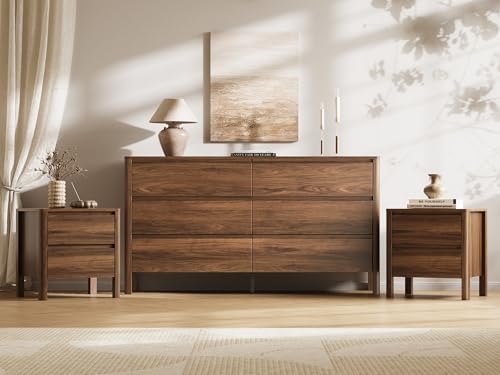
Matching Dresser and Nightstand: Complete Buying Guide
A well-coordinated dresser and nightstand set transforms a bedroom from merely functional into a cohesive, design-forward space. This guide walks you through everything you need to choose a matching pair that fits your style, room dimensions, and storage requirements.
What You Will Learn
- Why Choose a Matching Dresser and Nightstand
- Style Coordination: Finding a Cohesive Look
- Material and Finish Considerations
- Size and Proportion: Getting the Balance Right
- Drawer Configuration and Storage Needs
- Understanding Quality Tiers
- Matching vs. Coordinating: When to Mix
- Room Layout and Placement Tips
- Frequently Asked Questions
1. Why Choose a Matching Dresser and Nightstand
A matching dresser and nightstand set offers several advantages that go beyond simple aesthetics. When the pieces are designed as a coordinated collection, you gain a unified visual statement that makes the bedroom feel intentional and polished.
Visual Cohesion
The most obvious benefit is visual harmony. Matching wood tones, hardware styles, and proportions create a seamless look that ties the room together. A coordinated set eliminates the guesswork of mixing finishes and ensures that every piece feels like it belongs.
Consistent Craftsmanship
Sets from the same collection typically share the same construction methods, drawer glide mechanisms, and material quality. This consistency means you can expect similar durability and performance from both the dresser and the nightstand. For example, a mid-century modern dresser and nightstand set from a reputable maker will carry the same joinery and finish standards across both pieces.
Simplified Shopping
Choosing a set removes the mental load of comparing dozens of individual pieces. You select a collection you love, confirm the dimensions work for your room, and complete the purchase with confidence.
Editor's Tip: When shopping for a coordinated set, pay attention to the drawer glide quality on both pieces. A premium dresser paired with a flimsy nightstand undermines the value of the whole collection. Reputable makers apply the same hardware standards across every piece in a collection.
2. Style Coordination: Finding a Cohesive Look
Your bedroom's overall design language should guide the style of your dresser and nightstand set. Here are the most common style categories and what to look for in each.
Modern and Contemporary
Clean lines, minimal ornamentation, and sleek hardware define modern sets. Look for flat-front drawers, integrated pulls, and finishes in matte lacquer or high-gloss. A modern dresser paired with a matching nightstand creates a streamlined, architectural feel.
Mid-Century Modern
Tapered legs, warm wood tones, and angled drawer fronts characterize mid-century designs. A mid-century dresser and nightstand set often features walnut or teak veneers and iconic brass or black hardware. This style works particularly well in rooms with plenty of natural light.
Farmhouse and Rustic
Distressed finishes, plank detailing, and sturdy silhouettes define farmhouse sets. A farmhouse dresser paired with a complementary nightstand in the same weathered finish creates a warm, inviting atmosphere.
Traditional and Classic
Ornate hardware, framed drawer fronts, and rich wood tones like mahogany or cherry define traditional sets. A mahogany dresser with matching nightstand offers timeless elegance and substantial visual weight.
Minimalist and Scandinavian
Light woods, simple silhouettes, and functional design define Scandinavian sets. A minimalist dresser with a matching nightstand keeps the room feeling airy and uncluttered.
3. Material and Finish Considerations
The material and finish of your dresser and nightstand set determine both its visual character and its long-term durability. Here is a breakdown of the most common options.
Solid Wood
Solid wood sets represent the high-end tier of bedroom furniture. Oak, maple, walnut, and mahogany are common choices. Solid wood offers excellent durability, repairability, and a natural aesthetic that ages gracefully. A solid wood chest and matching nightstand can last for decades with proper care.
Engineered Wood with Veneer
MDF or particleboard cores with real wood veneer offer a middle-ground option. These sets look like solid wood but are typically more stable in humid environments and lighter in weight. Quality veneer sets from reputable brands can be very durable.
Laminate and Melamine
These entry-level finishes are practical and easy to clean. While they lack the natural warmth of wood veneer, modern laminate designs can convincingly mimic wood grain, stone, and matte finishes. Laminate sets are a solid choice for guest rooms, dorms, or rental properties.
Painted Finishes
Painted sets in white, gray, black, or bold colors offer design flexibility. A white dresser with a matching nightstand brightens a room and pairs well with almost any decor. Painted finishes can chip over time, so check the quality of the paint and primer used.
Mixed Materials
Some modern sets combine wood with metal accents, glass tops, or upholstered panels. A metal dresser with wood top paired with a matching nightstand brings an industrial edge to the bedroom.
Finish Consistency
The most important factor in a matching set is finish consistency. Even slight variations in stain or paint can be noticeable when pieces sit side by side. Always verify that the dresser and nightstand come from the same production batch or collection.
4. Size and Proportion: Getting the Balance Right
Proportion is where many matching sets go wrong. A massive dresser paired with a tiny nightstand creates visual imbalance. Here is how to get the scale right.
Dresser Height vs. Nightstand Height
As a general rule, the nightstand should be roughly the same height as the mattress top or slightly lower. The dresser can be taller or shorter, but it should relate proportionally to the bed and the nightstand. If the dresser is very tall, a slightly taller nightstand helps bridge the gap. A tall dresser paired with a standard-height nightstand can work if the room has enough vertical space.
Width and Depth
Nightstand width should be proportional to the bed. A queen bed typically pairs well with nightstands 20 to 28 inches wide. A king bed can accommodate wider nightstands. The dresser width depends on the wall space available and your storage needs. A wide dresser can anchor a large wall but may overwhelm a small room.
Scale in Small Rooms
In compact bedrooms, a small dresser and a compact nightstand keep the room from feeling crowded. Look for sets designed specifically for dressers for small spaces. A low-profile dresser with a matching low nightstand maintains an open sightline.
Scale in Large Rooms
Spacious master bedrooms can handle larger sets. A large dresser with a substantial nightstand fills the room and provides generous storage. A master bedroom dresser set often includes a wide dresser and taller nightstands to create a commanding presence.
Proportion Rule of Thumb: The nightstand height should land within 2 to 4 inches of the mattress top. The dresser height should be either noticeably taller (for visual anchoring) or noticeably shorter (for an open feel)—avoid a dresser that sits at nearly the same height as the nightstand, as this creates a flat, uninteresting visual line.
5. Drawer Configuration and Storage Needs
The drawer layout of your dresser and nightstand should match how you actually live. Here is how to think about storage capacity across the set.
Dresser Drawer Count
A 6 drawer dresser is the most common configuration for a primary bedroom, offering a balance of folded-clothing capacity and top-surface space. A 4 drawer dresser suits smaller wardrobes or guest rooms. A 9 drawer dresser provides maximum storage for shared bedrooms or large clothing collections.
Nightstand Drawer Count
Most nightstands offer one or two drawers. A single-drawer nightstand is sufficient for bedside essentials: a book, reading glasses, a phone charger, and a small notebook. A two-drawer nightstand provides extra space for pajamas, medications, or small electronics. Some sets include a nightstand with an open shelf or cubby in addition to drawers.
Drawer Glide Quality
The quality of the drawer glides matters as much as the drawer count. Entry-level sets often use basic side-mounted rollers, while mid-range and premium sets use ball-bearing slides or undermount soft-close glides. Heavy-duty drawer slides are a worthwhile upgrade for dressers that hold heavy clothing or linens.
Interior Organization
Consider whether the dresser drawers include dividers or felt-lined top drawers for jewelry and accessories. Some premium sets include cedar-lined drawers for woolens. The nightstand may include a felt-lined top drawer for valuables.
6. Understanding Quality Tiers
Matching dresser and nightstand sets span a wide range of construction quality. Understanding the tier system helps you align your expectations with what each level delivers.
| Tier | Materials & Construction | Best For |
|---|---|---|
| Entry-Level / Starter Tier | Engineered wood with laminate or paper veneer, basic side-mounted drawer glides, minimal hardware | Guest rooms, dorms, first apartments, rental properties |
| Mid-Range / Balanced Tier | Engineered wood with real wood veneer or solid wood in key areas, ball-bearing glides, quality hardware | Primary bedrooms, long-term family use, style-conscious buyers |
| Premium / High-End Tier | Solid wood construction or high-grade veneer, undermount soft-close glides, dovetail joinery, premium hardware | Master suites, design-focused homes, long-term investment |
| Luxury / Flagship Tier | Kiln-dried hardwood, hand-finished details, custom hardware, felt-lined and cedar-lined drawers, artisan joinery | High-end residences, collector-quality furniture, heirloom pieces |
For most primary bedrooms, the mid-range tier offers the best balance of durability, design, and long-term value. Entry-level sets are a solid choice for secondary rooms, while premium and luxury tiers are worthwhile investments for rooms that will see daily use for many years.
7. Matching vs. Coordinating: When to Mix
A perfectly matched set is not the only way to achieve a cohesive bedroom. Coordinated—but not identical—pieces can look even more curated and personal. Here is how to decide.
When to Choose a Perfect Match
A true matching set works best when you want a formal, polished look with minimal design effort. Matching sets are also ideal for small rooms where visual clutter is a concern—identical finishes and hardware keep the space feeling calm. A matching dresser and nightstand set is the simplest path to a unified bedroom.
When to Coordinate Instead
Coordinating pieces from the same collection but in different sizes or configurations—or mixing two collections that share a finish—creates a more layered, designer look. For example, a mid-century modern dresser paired with a mid-century nightstand from the same maker can be coordinated without being identical.
Mixing Materials
If you prefer an eclectic look, mix a wood dresser with a metal nightstand, or pair a painted dresser with a natural wood nightstand. The key is to repeat at least one element—a finish, a hardware material, or a wood tone—to tie the pieces together. A metal dresser and a wood nightstand can work if the hardware finishes echo each other.
Using Color to Unify
A matte black dresser and a black nightstand in a different style can still read as a set if the black tones are close. Similarly, two different wood tones—say walnut and oak—can coexist if a third element (like a rug or bedding) bridges the color gap.
8. Room Layout and Placement Tips
Even the most beautifully matched set needs proper placement to function well and look right. Here are the key layout considerations.
Nightstand Placement
Nightstands should flank the bed symmetrically. Leave at least 2 to 3 inches between the nightstand and the wall, and ensure there is enough clearance for the nightstand door or drawer to open fully. The top of the nightstand should be easily reachable from the bed.
Dresser Placement
The dresser should be placed on a wall with enough clearance for drawers to open fully. In most bedrooms, the dresser goes on the wall opposite the bed or perpendicular to it. Avoid placing the dresser in a high-traffic path where drawers would block movement.
Creating a Focal Point
A matching dresser and nightstand set can serve as a secondary focal point in the room. A master bedroom dresser with mirror adds height and reflection, making the room feel larger. A mirror above the dresser also creates a natural grooming station.
Balancing the Room
If the dresser is much larger than the nightstand, place the dresser on the wall opposite the bed to balance the visual weight of the bed. In a master bedroom dresser setup, the dresser often sits on the longest wall, with the nightstands flanking the bed as supporting pieces.
Small Room Layouts
In small bedrooms, a mini dresser or narrow dresser may be the best fit. Place the nightstand on one side of the bed and the dresser on the adjacent wall. Avoid blocking windows or closet doors.
Ready to Explore Matching Sets?
Browse curated dresser and nightstand collections that deliver cohesive style and reliable storage for your bedroom.
View Recommended SetsFrequently Asked Questions
No. Exact matching is a matter of personal preference. Coordinated pieces—those that share a finish, wood tone, or hardware style—often look more curated than identical sets. However, a true matching set is the simplest way to create a unified bedroom look, especially in small rooms where visual clutter is a concern.
The nightstand top should be roughly level with the mattress top or within 2 to 4 inches of it. This height makes it comfortable to reach for a book, a glass of water, or your phone while lying in bed. If the nightstand is too low or too high, it becomes awkward to use.
A 6-drawer dresser is the most versatile configuration for a primary bedroom. It offers enough space for folded clothing, linens, and accessories without taking up excessive floor space. A 4-drawer dresser suits guest rooms or smaller wardrobes, while a 9-drawer dresser is ideal for shared bedrooms or large clothing collections.
Solid wood—such as oak, maple, walnut, or mahogany—offers the best long-term durability and repairability. For most buyers, a mid-range set with engineered wood and real wood veneer provides an excellent balance of style, durability, and design. Entry-level laminate sets are a practical choice for guest rooms and rental properties.
Yes, mixing materials can create a stylish, layered look. The key is to repeat at least one design element—a hardware finish, a color, or a wood tone—to tie the pieces together. For example, a wood dresser with black metal hardware pairs well with a black metal nightstand. A metal chest of drawers can also work alongside a wood dresser if the finishes are coordinated.
Choosing a matching dresser and nightstand is about more than buying two pieces of furniture—it is about creating a bedroom that feels intentional, comfortable, and ready for daily life. Whether you opt for a perfectly matched set or a coordinated pairing, the key is to balance style, scale, and storage so every piece earns its place in the room. Use this guide as your framework, and you will have a bedroom that looks cohesive and functions beautifully.