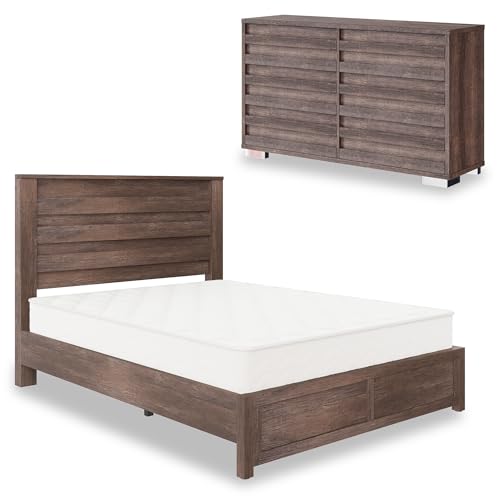
Matching Bed Frame and Dresser: The Complete Guide to a Cohesive Bedroom
A well-matched bed frame and dresser set the tone for the entire bedroom. This guide walks you through style pairing, size proportion, material harmony, and finish coordination — so you can choose a combination that feels intentional, balanced, and built to last.
Explore Pairing OptionsWhy a Matching Bed Frame and Dresser Matters
The bed is the visual anchor of any bedroom, and the dresser is typically the second-largest piece of furniture in the room. When these two pieces work together, the space feels calm and deliberate. When they clash, even a well-decorated room can feel unsettled. A matching or carefully coordinated bed frame and dresser combination solves this by creating a shared visual language — consistent wood tones, aligned design lines, and complementary hardware.
Beyond aesthetics, a coordinated set simplifies decision-making. Instead of hunting for pieces that may or may not work together, you can choose a matching set or a deliberately paired combination that removes guesswork. This is especially valuable if you are furnishing a bedroom from scratch or upgrading a primary suite.
For a broader look at how dressers fit into bedroom design, see our guide to master bedroom dressers and the complete dresser buying guide.
Matching vs. Coordinated vs. Mismatched: Which Approach Fits You?
There is more than one way to pair a bed frame and dresser. The right approach depends on your design goals, budget tier, and how much flexibility you want when the room evolves.
| Approach | Best For | What It Looks Like | Trade-Offs |
|---|---|---|---|
| Identical Set | Formal bedrooms, guest rooms, buyers who want a finished look with minimal effort | Same wood, same finish, same hardware — often from the same collection | Less flexibility if you later want to change one piece; can feel overly uniform in small rooms |
| Coordinated Pair | Primary suites, design-conscious buyers, rooms that may evolve over time | Shared wood tone or finish, complementary hardware, consistent style lineage | Requires more decision-making upfront but offers greater long-term flexibility |
| Intentional Mix | Eclectic, boho, or modern rooms where contrast is part of the design | Contrasting materials (e.g., metal bed with wood dresser), balanced by a shared color or texture | Harder to execute well; needs a unifying element to avoid a disjointed feel |
If you prefer a fully coordinated look, explore matching dresser and bed frame options. For a broader set that includes nightstands, see matching dresser and nightstand sets.
Style Pairing: Matching Design Languages
The strongest bed-and-dresser pairings share a design language, even if they are not from the same collection. Here is how common styles pair up.
Modern and Contemporary
Clean lines, minimal ornamentation, and often a low-profile silhouette. A modern platform bed pairs naturally with a modern dresser in a matching finish. Handleless drawers, floating tops, and matte finishes are common in this category. If you want a statement piece, a luxury dresser with integrated lighting or a marble top can elevate the pairing.
Mid-Century Modern
Tapered legs, warm wood tones, and geometric hardware define the mid-century look. Pair a mid-century modern dresser with a bed frame that shares the same splayed leg profile. Walnut and teak are the signature woods here — see our guides to teak dressers and walnut dressers for material details.
Farmhouse and Rustic
Weathered finishes, plank details, and substantial hardware. A farmhouse bed frame pairs well with a farmhouse dresser in a matching whitewashed or natural finish. For a more rugged look, a rustic dresser with reclaimed wood elements complements a log or timber bed frame.
Traditional and Classic
Rich woods, carved details, and formal hardware. A traditional sleigh bed pairs naturally with a mahogany dresser or a cherry dresser. For a more ornate look, consider a French provincial chest as the dresser counterpart.
Minimalist and Scandinavian
Light woods, simple forms, and functional design. A minimalist dresser in ash or birch pairs well with a low platform bed in a matching light finish. White or natural wood tones keep the room airy — see our Scandinavian dresser guide for more inspiration.
Size and Proportion: Getting the Scale Right
Even a perfectly matched set can feel off if the proportions are wrong. Use these guidelines to balance the bed frame and dresser in your room.
Dresser Width Relative to the Bed
As a general rule, the dresser should be no wider than the bed frame. A queen bed is typically around 60 inches wide, so a dresser between 50 and 60 inches wide feels balanced. A wide dresser can work with a king bed, while a narrow dresser suits a twin or full bed in a smaller room.
Height Harmony
The top of the dresser should sit lower than the top of the bed frame’s headboard. This creates a natural visual hierarchy. In rooms with low platform beds, a low-profile dresser maintains an open, uncluttered feel. In rooms with tall headboards, a tall dresser can balance the vertical weight.
Walkway Clearance
Leave at least 30 inches of clearance between the foot of the bed and the dresser. If the room is tight, a small dresser or a medium dresser can provide storage without crowding the space. For very compact rooms, see our guide to dressers for small spaces.
Drawer Count and Storage Needs
Your storage needs should drive the dresser size. A single person may only need a 4-drawer dresser, while a couple sharing a room might prefer a 6-drawer dresser or a 9-drawer dresser. Matching the drawer count to your actual wardrobe prevents overbuying and keeps the room proportionally balanced.
Material Harmony: Wood, Metal, and Mixed Media
The material of your bed frame and dresser should feel related, even if they are not identical. Here is how to pair common materials.
Solid Wood Pairings
Solid wood is the most traditional choice for a matching set. Oak, maple, walnut, and mahogany all offer distinct grain patterns and tones. A solid oak bed frame pairs naturally with an oak dresser. For a warmer, darker look, a walnut bed pairs with a walnut dresser. Maple offers a lighter, more contemporary feel — see our maple dressers guide.
Metal and Wood Combinations
A metal bed frame paired with a wood dresser is a classic mixed-media combination. Black metal beds work well with black dressers or dark walnut pieces. Brass or gold metal beds pair beautifully with light woods like maple or ash. For a more industrial look, a metal dresser paired with a metal bed frame creates a unified, modern feel.
Upholstered and Painted Pieces
An upholstered bed frame adds softness to a bedroom. Pair it with a painted dresser in a complementary color — a white dresser with a linen-upholstered bed, for example, creates a calm, layered look. A gray dresser with a charcoal upholstered bed offers a more moody, sophisticated pairing.
Specialty Materials
For a more distinctive look, consider a rattan dresser paired with a cane or woven bed frame, or a marble top dresser paired with a metal bed frame for a luxurious contrast. Our materials and finishes guide covers these options in more detail.
Finish Coordination: Color and Tone
Finish is often the most visible element of a matching set. Here is how to coordinate finishes without being overly rigid.
Same Finish, Different Pieces
The easiest approach is to choose the same finish for both pieces. A white dresser with a white bed frame creates a clean, cohesive look. A black dresser with a black bed frame feels bold and modern. This approach works best in rooms where you want a calm, unified background for other decor.
Complementary Finishes
If you want more depth, pair finishes that share an undertone. A natural wood bed frame with a natural wood dresser in a slightly different grain creates subtle variation. A gray dresser with a whitewashed bed frame offers a soft, layered look.
Contrasting Finishes
High-contrast pairings can work well when balanced by a shared material or hardware finish. A dark espresso dresser with a light oak bed frame, for example, can feel intentional if the hardware and bedding tie the two together. Use contrast sparingly in small rooms.
Hardware as a Unifying Element
Even if the wood tones differ, matching hardware can tie a bed frame and dresser together. Gold hardware dressers pair well with brass bed frames, while black hardware dressers work with black metal beds. If you are updating an existing piece, consider replacing the dresser knobs or drawer pulls to match the bed frame’s hardware.
Room-by-Room Pairing Guide
Different rooms call for different pairings. Here is how to approach matching a bed frame and dresser in common bedroom types.
Primary Bedroom
The primary bedroom is where a matching set makes the most sense. A coordinated pair in a premium or luxury tier — solid wood, soft-close drawers, and consistent hardware — creates a restful, hotel-like feel. See our master bedroom dresser ideas for layout inspiration. A master bedroom dresser with mirror can further tie the room together.
Guest Bedroom
Guest rooms benefit from a simple, cohesive look. An entry-level or mid-range matching set is often sufficient here, and a 3-drawer dresser paired with a simple bed frame keeps the room functional without overfurnishing.
Small Bedroom or Apartment
In compact rooms, prioritize proportion over matching. A low-profile dresser and a low bed frame keep sightlines open. Light finishes reflect light and make the room feel larger. For more ideas, see our small bedroom storage ideas.
Kids’ and Teen Bedrooms
Durability is the priority here. A mid-tier bed frame and dresser in a sturdy wood or metal finish can handle daily use. A 5-drawer dresser offers a good balance of storage and footprint. For younger children, consider a nursery dresser that can transition as the child grows.
Buying Checklist for a Matching Bed Frame and Dresser
Before you commit to a pairing, run through this checklist to make sure the pieces will work together in your space.
- Measure the room: Confirm walkway clearance and door swing before finalizing sizes.
- Check the wood tone: If buying online, order swatches or review the return policy.
- Compare hardware: Ensure drawer pulls and bed frame accents share a finish or complement each other.
- Verify drawer glide quality: Look for metal glides or soft-close mechanisms — see our guide to heavy-duty drawer slides for more detail.
- Check assembly requirements: Some sets require significant assembly; review the instructions before purchasing.
- Confirm the return window: Furniture returns can be costly; choose a retailer with a clear policy.
- Consider future flexibility: A coordinated pair leaves room to swap one piece later without redesigning the whole room.
Common Mistakes to Avoid
Even experienced buyers can stumble when pairing a bed frame and dresser. Here are the most common pitfalls.
Buying a Set That Overpowers the Room
A full matching set in a dark finish can make a small room feel cramped. If the room is compact, consider a light wood dresser or a white dresser to keep the space feeling open.
Ignoring the Bed Frame Height
A very tall dresser next to a low platform bed can feel unbalanced. Match the visual weight of the two pieces — a low dresser with a low bed, or a taller dresser with a prominent headboard.
Mixing Too Many Wood Tones
Three or more wood tones in one room can feel chaotic. Stick to one dominant tone and one accent tone, and use textiles and decor to bridge the gap.
Overlooking Drawer Function
A matching set that looks beautiful but has sticky drawers will frustrate you daily. Prioritize drawer glide quality and interior finish, not just the exterior appearance.
Forgetting About Lighting
Natural light changes how wood finishes appear. A finish that looks warm in the showroom may look cooler in a north-facing bedroom. Check finishes in your own lighting if possible.
Frequently Asked Questions
Should a bed frame and dresser match exactly?
They do not need to match exactly. Complementary wood tones, shared hardware finishes, or consistent design lines can create cohesion without an identical set. Many designers prefer a coordinated look over an identical match because it leaves room for the room to evolve.
What is the best wood finish for a matching bedroom set?
Mid-tone woods like oak, walnut, and maple are versatile and pair well with many color palettes. Lighter finishes such as natural oak or whitewashed wood suit airy, modern rooms, while darker finishes like mahogany or espresso create a richer, more traditional feel.
How do I coordinate a bed frame and dresser in a small bedroom?
Choose a low-profile dresser to keep sightlines open, and opt for a bed frame with a low headboard. Light or mirrored finishes reflect light and make the room feel larger. Stick to one or two materials to avoid visual clutter.
Can I mix metal and wood in a matching bed and dresser set?
Yes. A wood dresser paired with a metal bed frame works well when the finishes are intentionally coordinated. For example, black metal pairs nicely with walnut or dark oak, while brass or gold accents complement lighter woods like maple or ash.
How much clearance should I leave between the bed and dresser?
Aim for at least 30 inches of clearance between the foot of the bed and the dresser. In smaller rooms, 24 inches can work if the dresser is low-profile and the room is otherwise uncluttered.
Is it better to buy a matching set or individual pieces?
It depends on your priorities. A matching set removes guesswork and ensures a cohesive look. Individual pieces offer more flexibility and can be a better fit if you have specific size or style requirements. A coordinated pair — same finish, different pieces — is a middle ground that works well for many buyers.
Final Thoughts
A matching bed frame and dresser is one of the most reliable ways to create a bedroom that feels calm, cohesive, and well-designed. Whether you choose an identical set or a carefully coordinated pair, the key is to align on style, proportion, material, and finish. Use the guidelines in this guide to evaluate pairings with confidence, and remember that the best match is one that supports how you actually use the room.
For more bedroom design guidance, explore our bedroom dresser ideas and room ideas collections. If you are still narrowing down your dresser choice, the dresser size guide and dresser quality guide will help you make a well-informed decision.