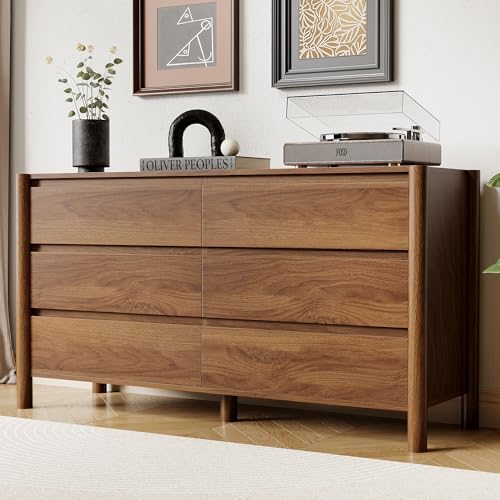
Master Bedroom Dresser: Your Complete Guide
Everything you need to choose, style, and organize the perfect dresser for your master bedroom — from size and materials to storage strategy and design harmony.
Why Your Master Bedroom Deserves a Purpose-Built Dresser
The master bedroom is more than a place to sleep — it is where you start and end each day. A well-chosen dresser supports that routine by keeping clothing, accessories, and personal items within easy reach. Unlike a general-purpose storage piece, a master bedroom dresser is selected with adult wardrobes, shared spaces, and long-term durability in mind.
Many people underestimate how much a dresser contributes to the room's visual weight. A piece that is too small feels flimsy and underperforms; one that is oversized can crowd the space and make movement awkward. The goal is balance: enough storage to handle your clothing rotation, a surface that serves your daily needs, and a design that complements your bed and other furniture. If you are still exploring layout options, our master bedroom dresser ideas collection can help you visualize different arrangements.
Choosing the Right Size and Placement
Size is the most practical starting point. Before you browse styles, measure the wall where the dresser will sit and note the distance to the bed, closet doors, and walkways. A dresser that blocks a door swing or leaves less than 30 inches of clearance will frustrate you daily. For master bedrooms, a wide dresser — often 60 to 72 inches across — typically provides a generous top surface and balanced drawer capacity. In smaller rooms, a tall chest or a medium-sized dresser can deliver ample storage without consuming valuable floor space.
Placement matters as much as dimensions. The most common arrangement places the dresser opposite the bed or along a side wall, creating a natural dressing zone. If your room has a alcove or a short wall, consider a narrow dresser that fits snugly without protruding into traffic areas. For rooms with limited wall space, a low-profile dresser keeps sightlines open and makes the ceiling feel higher.
Dresser vs. Chest of Drawers: Which Fits Your Master Bedroom?
The terms are often used interchangeably, but they describe different proportions. A dresser is wider and lower, with a broad top that works well for a mirror, lamp, or decorative display. A chest of drawers is taller and narrower, stacking more drawers vertically. In a master bedroom, the choice usually comes down to floor plan and how you use the surface.
If you want a focal point with room for styling, a wide dresser is the natural pick. If you need maximum clothing capacity in a tight footprint, a master chest of drawers may serve you better. Many master bedrooms benefit from both: a wide dresser for shared items and a tall chest for folded clothing and accessories. For a deeper comparison, see our guide on dresser vs chest of drawers.
Key Considerations at a Glance
Drawer Count & Layout
Six to eight drawers is a common sweet spot for a master bedroom. Look for a mix of shallow and deep drawers to separate folded clothing, delicates, and bulky items.
Material & Construction
Solid wood with dovetail joints and metal glides offers the best longevity. Engineered wood can be a solid choice at the entry-level and mid-range tiers when properly reinforced.
Style & Finish
Your dresser should relate to the bed frame and nightstands. Matching sets create harmony; intentional contrast adds character. Consider the room's existing wood tones.
Surface & Mirror
The top surface is valuable real estate. A master bedroom dresser with mirror creates a dedicated grooming station without a separate vanity.
Materials and Quality Tiers
The material determines how the dresser ages, how much weight the drawers hold, and how the finish wears over time. Below is a practical tier breakdown to help you match your expectations with construction quality. These tiers describe relative market positioning, not absolute categories — a well-made entry-level piece can outperform a poorly made mid-range one.
| Tier | Typical Construction | Best For |
|---|---|---|
| Entry-Level | Engineered wood with laminate or veneer; stapled or basic joints; standard drawer glides | Guest rooms, first apartments, or short-term setups where the dresser may be replaced |
| Mid-Range | Solid wood or reinforced engineered wood; dovetail or tongue-and-groove joints; smooth metal glides | Primary master bedrooms where durability and daily function matter |
| Premium | Solid hardwood (oak, maple, walnut, mahogany); dovetail drawers; soft-close or heavy-duty glides; hand-finished surfaces | Long-term master bedroom investments with design longevity in mind |
| Luxury | Exotic or premium hardwoods; custom hardware; mortise-and-tenon joinery; artisan finishes | Statement pieces for high-end master suites and design-focused interiors |
Wood choice also affects the look and feel. Mahogany brings warmth and classic elegance, while maple dressers offer a clean, light-toned appearance that suits modern and transitional rooms. If you prefer a darker, more dramatic finish, a matte black dresser can anchor the room. Our materials and finishes guide covers wood types, hardware, and finish options in more detail.
Style and Design Harmony
A master bedroom dresser should feel like it belongs in the room. That does not mean everything must match perfectly — it means the pieces should share a visual language. If your bed frame is a mid-century modern dresser style with tapered legs, a dresser with similar proportions and clean lines will feel cohesive. If your room leans traditional, a walnut dresser with classic hardware can bridge old and new.
Coordinating sets remain popular for a reason: they remove the guesswork. A matching dresser and nightstand set creates a unified look without requiring design expertise. If you prefer a curated, collected-over-time aesthetic, mix finishes intentionally — for example, a natural wood dresser paired with painted nightstands in a complementary tone.
Storage and Organization: Getting the Most from Your Dresser
A dresser is only as useful as its organization. The drawer layout should match how you fold and store clothing. Shallow drawers work well for folded shirts, delicates, and accessories; deeper drawers handle jeans, sweaters, and bulky items. Many master bedroom dressers benefit from a mix of both.
Drawer dividers and organizers can transform a deep drawer into a structured space for socks, underwear, and accessories. For shared dressers, assign specific drawers to each person and label them if needed. Seasonal rotation — storing off-season clothing in under-bed bins or a closet — keeps the dresser focused on what you actually wear. Our dresser organization guide covers folding techniques, divider options, and seasonal strategies in detail.
If your master bedroom has a walk-in closet, you may use the dresser primarily for accessories, loungewear, and items that do not hang well. In that case, a smaller dresser with fewer but well-organized drawers may be more efficient than a large piece with empty space.
Coordinating with the Rest of Your Bedroom
The dresser rarely stands alone. It shares the room with the bed, nightstands, and often a bench or seating. Coordination can be as simple as repeating a wood tone or metal finish. A matching bed frame and dresser creates a strong visual anchor, while a dresser and nightstand set ties the bedside area together.
If you are building the room gradually, start with the bed and dresser as the two largest pieces, then add nightstands and accents that bridge their styles. Our guide to matching dressers explores set options and mixing strategies in more depth.
Special Features Worth Considering
- Built-in mirror: A master bedroom dresser with mirror saves wall space and creates a grooming station.
- Soft-close drawers: Reduce noise and wear, especially in shared bedrooms.
- Felt-lined top drawers: Protect jewelry, watches, and delicate accessories.
- Hidden compartments: Useful for valuables or personal items you prefer to keep out of sight.
- Charging stations: Some modern dressers include integrated outlets or cable management for devices.
Common Mistakes to Avoid
- Buying before measuring: Always measure the wall, clearance zones, and door swings first.
- Ignoring drawer glide quality: Sticking or noisy drawers undermine the entire experience.
- Choosing style over function: A beautiful dresser with the wrong drawer layout will frustrate you daily.
- Overlooking the top surface: If you need a mirror or lamp, confirm the dresser top has enough depth and weight capacity.
- Skipping the anchor: Dressers should be anchored to the wall for safety, especially in homes with children or pets.