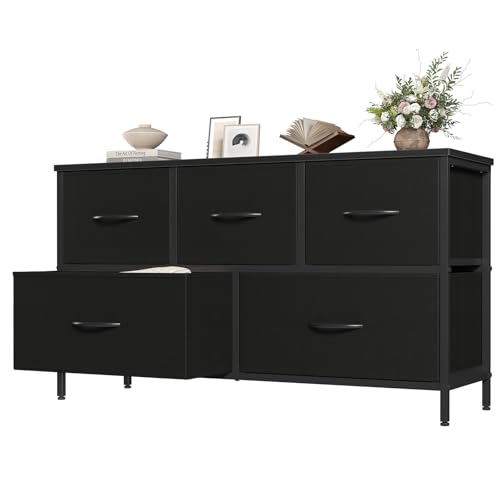
Dresser Furniture: The Complete Guide to Choosing and Styling
Dresser furniture is more than a bedroom staple. It shapes how your room functions, how easily you get dressed each morning, and how polished your space looks. This guide walks you through every decision, from drawer layout and material grade to placement and long-term care.
Explore the Buying FrameworkWhy this guide matters: Most shoppers already know they want a dresser. The harder question is which one actually fits their room, their wardrobe volume, and their daily routine. Below you will find a structured, research-driven breakdown so you can compare options with confidence and make a decision that lasts for years.
What Counts as Dresser Furniture?
Dresser furniture refers to a freestanding storage piece built around a series of horizontal drawers, usually placed in a bedroom, dressing area, or closet. The category overlaps with several related forms, and understanding those distinctions prevents costly missteps. A classic dresser is wide and relatively low, offering a generous top surface for a mirror, lamps, or decorative trays. A dresser and chest of drawers pairing is common in larger bedrooms where two separate storage footprints are needed.
Shoppers often use the term loosely, so it helps to map the variations before narrowing your shortlist. The table below summarizes the main dresser furniture categories and what each is best suited for.
| Category | Typical Form | Best For |
|---|---|---|
| Standard dresser | Wide, low profile, 4–6 drawers, often mirror-ready | Primary bedrooms, styling surfaces, couples |
| Chest of drawers | Taller, narrower, stacked drawers | Compact rooms, single users, hallway storage |
| Double dresser | Extra-wide footprint with side-by-side drawer banks | Master suites, shared bedrooms, large wardrobes |
| Dresser and nightstand set | Matching coordinated bedroom group | Cohesive room design, move-in-ready setups |
| Specialty dresser | Nursery, vanity combo, media console, closet insert | Niche room functions and multi-purpose spaces |
If you are still deciding between forms, the comparison of a dresser furniture piece and a taller chest often comes down to available wall length and how much hanging space you already have. Rooms with a walk-in closet usually benefit from a lower, wider dresser, while rooms without a closet lean toward a taller chest that maximizes vertical storage.
A Practical Buying Framework
Rather than starting with style photos, start with constraints. The most satisfied dresser owners are the ones who measured first and decorated second. Work through the four layers below in order, and the shortlist will build itself.
1. Measure the Room and the Walking Path
Begin with the wall where the dresser will live. Record the available length, the height of any window sill or wall outlet, and the clearance to the bed. A dresser needs roughly 24 inches of walkway in front of it, plus extra depth for drawers to extend. If your room is tight, a dresser for small spaces or a narrow dresser option for compact rooms will keep the layout comfortable.
2. Match Drawer Count to Your Wardrobe Volume
Drawer count is the single strongest predictor of day-to-day satisfaction. Three drawers suit a single user with a separate closet. Four to six drawers cover most couples. Six to nine drawers support families, shared rooms, or anyone who folds a large share of their clothing. Deep bottom drawers handle bulky knitwear and bedding, while shallow top drawers work well for accessories and drawer organizers.
3. Choose a Material Tier
Material determines durability, weight, and how the piece ages. Instead of thinking in terms of numbers, classify dresser furniture by construction tier. The tier system below is consistent across this guide.
Entry-Level Tier
Engineered wood panels with printed or thin veneer finishes. Lightweight and widely available. Best for guest rooms, first apartments, and short-term setups where the dresser may be replaced within a few years.
Mid-Range Tier
Engineered cores with quality wood veneers, or mixed solid-and-panel construction. Better drawer slides and reinforced joinery. A balanced tier that suits most primary bedrooms and offers good value for its class.
Premium Tier
Solid wood frames with dovetail or dowel joinery and smooth-glide hardware. Heavier, more stable, and repairable over time. A worthwhile investment for households that expect a dresser to last a decade or more.
Luxury Tier
Hardwood construction, hand-finished surfaces, soft-close mechanisms, and custom hardware. Often made to order. Chosen for heirloom intent and design-led interiors rather than pure utility.
A mid-range tier model usually offers noticeably smoother drawer action and stronger joinery than an entry-level tier piece, while premium tier construction focuses on long-term repairability. For a deeper comparison, see the dedicated dresser quality guide.
4. Shortlist by Style and Finish
Only after size, drawer count, and material tier are settled should you browse finishes. Style decisions are reversible; footprint and construction decisions are not. Popular directions include warm natural wood, painted neutrals, and distressed finishes for character-driven rooms. If you love a lived-in look, a distressed dresser or a distressed white dresser adds texture without custom work.
Drawer Systems and Hardware
Drawers are where you interact with dresser furniture every single day, so their mechanics deserve more attention than they usually get. Three components matter most: the slide mechanism, the joinery, and the pulls.
- Drawer slides: Basic side-mounted rollers are common at the entry-level tier. Ball-bearing slides and undermount soft-close systems appear at the mid-range tier and above. Full-extension slides let you reach the back of deep drawers, which is especially useful for bedding and knitwear. Heavy contents benefit from heavy-duty full-extension drawer slides.
- Joinery: Dovetail joints signal premium construction. Stapled or glued box joints are typical of entry-level tier pieces. Ask how the drawer box itself is assembled, not just the cabinet frame.
- Pulls and knobs: Hardware is the easiest upgrade and the most personal. Explore dresser knobs, dresser handles, and a full dresser hardware guide before committing. Metal finish should match your room's other fixtures for a cohesive look.
Interior organization matters just as much as the mechanism. Dividers keep folded stacks upright and prevent the "drawer avalanche" that makes dressers feel chaotic. A dedicated drawer dividers guide explains how to map zones by garment type, and a dresser drawer jewelry organizer is a practical addition for anyone storing accessories in the top drawer.
Placement and Styling That Actually Works
Placement affects both function and visual balance. A dresser placed opposite the bed becomes a focal wall; a dresser beside the bed works as an oversized nightstand. In both cases, keep the top surface intentionally styled rather than fully occupied.
Placement Principles
- Center the dresser on the wall it occupies, or align one edge with a window or door frame for a cleaner sightline.
- Leave at least 24 inches of walking clearance in front of the drawers.
- Keep the dresser top lower than the headboard so the bed remains the visual anchor.
- Anchor the piece to the wall if it is taller than 30 inches, especially in homes with children.
Styling Principles
A dresser top reads as intentional when it follows a simple three-zone rule: one functional object, one decorative object, and one living element such as a plant. A mirror above the dresser reflects light and makes the room feel larger. Lighting on either side creates a usable grooming station. If you want a coordinated bedroom, a dresser and nightstand set keeps proportions and finishes consistent, while a dresser and mirror set simplifies the wall above the piece.
Dresser Furniture Beyond the Bedroom
One of the quiet advantages of dresser furniture is its flexibility. A well-chosen piece can migrate between rooms as your needs change, which makes it a more versatile purchase than a fixed built-in.
- Closets: A low dresser inside a walk-in closet centralizes folded clothing. A dresser for closet placement works best when it leaves hanging space on both sides. For narrow closets, a dresser for inside small closets preserves the aisle.
- Nurseries: Safety and height matter most here. A dresser for nursery in natural wood pairs well with soft palettes, and wall anchoring is non-negotiable. See also the dresser for newborn guidance on drawer height and latch options.
- Living rooms: A dresser for living room storage hides games, throws, and cables behind closed drawers, keeping open shelving free for display.
- Children's rooms: A dresser for a children's room should have smooth-sliding drawers, rounded edges, and a stable base.
Care, Maintenance, and Longevity
A dresser that is cared for properly can serve a household for many years, and in premium tiers it can be refreshed rather than replaced. The routine is simple but must be consistent.
- Dust with a soft microfiber cloth weekly. Avoid abrasive pads on veneer surfaces.
- Wipe spills immediately; moisture is the leading cause of veneer lifting and finish clouding.
- Keep the piece away from direct radiators and prolonged sunlight to prevent warping and fading.
- Tighten hardware annually. Loose pulls stress the drawer front and enlarge screw holes over time.
- Empty and clean drawers seasonally. This is the easiest moment to rotate seasonal clothing and refresh drawer organizers.
If a finish becomes worn, a light sanding and refinishing can restore the surface. Pieces with solid wood construction respond best to this treatment, which is one reason premium tier dresser furniture is often described as a long-term investment. Small updates, such as new dresser hardware or a fresh coat of paint, extend the visual life of a piece without replacing it.
Common Buying Mistakes to Avoid
Most dresser regret traces back to a handful of avoidable errors. Review this checklist before you commit.
- Buying before measuring. A dresser that blocks a doorway or crowds a walkway will feel wrong every day, regardless of how attractive it is.
- Overlooking drawer depth. Very deep drawers can become disorganized without dividers, while very shallow drawers cannot hold knitwear. Match depth to contents.
- Ignoring drawer slide quality. Sticky drawers are the most common complaint among entry-level tier owners. Test the slide action in person when possible.
- Skipping wall anchoring. Freestanding dressers taller than 30 inches should be secured, especially in homes with children or pets.
- Choosing style before construction. A beautiful finish on weak joinery will not age well. Settle the material tier first, then style.
Frequently Asked Questions
What is the difference between dresser furniture and a chest of drawers?
A dresser is typically wider and lower, often with a mirror and a generous top surface, and is used for folded clothing and styling. A chest of drawers is taller and narrower with stacked drawers, which suits compact footprints. Both provide bedroom storage, but the dresser works best as a visual anchor while the chest maximizes vertical space.
How many drawers should a dresser have?
Most households are well served by four to six drawers. Three-drawer models fit single users and small rooms, while six to nine drawers support couples and families. Look for deep bottom drawers for bulky items and shallow top drawers for accessories and organizers.
Which material is best for dresser furniture?
Solid wood offers the most durable construction and the best long-term investment value. Engineered wood with quality veneers provides a balanced tier option with good stability, while metal and rattan suit specific decor directions. Always inspect drawer joinery and finish quality regardless of material.
How do I measure for a dresser in my bedroom?
Measure the available wall length, leave at least 24 inches of walkway clearance, and account for the depth of extended drawers. The dresser top should sit lower than the bed headboard, and you should leave room above for a mirror or wall decor.
Can dresser furniture be used outside the bedroom?
Yes. Dressers work well in living rooms as closed storage and media consoles, in entryways as catch-all units, in nurseries as changing stations, and in closets as built-in organizers. Choose size and finish to match the room's primary function.
Ready to Shortlist Your Dresser?
Use the framework above to narrow your options by size, drawer count, material tier, and style. When you are ready to compare specific pieces, explore curated recommendations below and check availability before you commit.
Explore Dresser Options