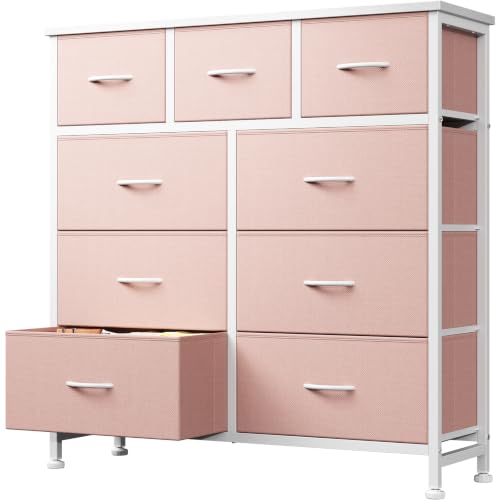
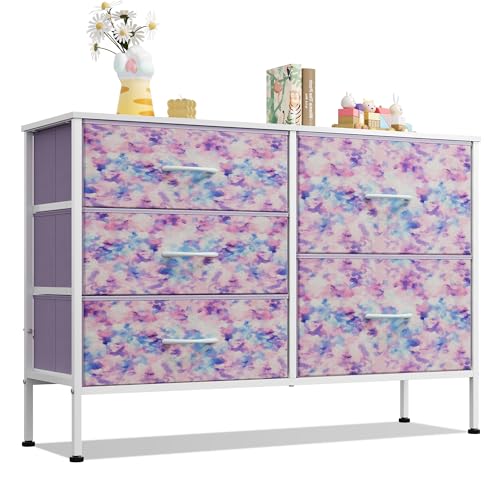
Dresser for Children's Room: The Complete Buying Guide
Everything you need to know about choosing a safe, functional, and stylish dresser for your child's bedroom. From safety standards to storage solutions, we cover it all.
START EXPLORINGWhy a dresser matters in a child's room: A well-chosen dresser is more than just furniture—it's a foundation for independence, organization, and safety. Children's rooms require special considerations that adult furniture simply doesn't address. From anti-tip safety features to child-friendly drawer mechanisms, every detail matters. This guide walks you through the essential factors to consider before making your purchase, helping you create a space where your child can grow, learn, and stay safe.
Key Factors When Choosing a Dresser for a Children's Room
Before you start shopping, it helps to understand the unique requirements of children's furniture. Unlike adult dressers, those designed for kids must balance safety, durability, and accessibility. Here are the critical factors to evaluate:
🛡️ Safety First: Anti-Tip Standards
Safety is non-negotiable when it comes to children's furniture. Every dresser in a child's room should meet current anti-tip standards and come with a wall-anchoring kit. According to safety guidelines, dressers must be capable of supporting a specified amount of weight on an open drawer without tipping.
- Always use the provided wall anchor kit
- Look for models that meet ASTM F2057 standards
- Check for rounded edges and smooth finishes
- Avoid dressers with sharp hardware or protruding knobs
📏 Size and Height Considerations
The right size depends on your child's age, the room's dimensions, and the intended use. A dresser that's too tall poses a tipping risk, while one that's too small won't meet your storage needs. For younger children, a lower profile (under 40 inches) is generally safer and more accessible.
- Measure your available floor space first
- Consider a 3-drawer or 4-drawer model for younger kids
- Ensure the top drawer is within your child's reach
- Leave enough clearance for drawers to open fully
🗄️ Storage Capacity and Drawer Design
Children accumulate a surprising amount of clothing, toys, and treasures. Look for dressers with smooth-gliding drawers, removable dividers, and enough capacity to grow with your child. Deep drawers work well for bulky items, while shallow drawers suit folded clothes and accessories.
- Choose drawers with safety stops to prevent full removal
- Look for easy-to-clean interior surfaces
- Consider a mix of drawer sizes for versatility
- Drawer dividers help keep small items organized
🎨 Style and Finish That Grows With Your Child
Children's tastes change quickly. A neutral, versatile design—such as white, natural wood, or soft gray—will remain suitable as your child grows. Avoid overly themed furniture that may feel out of place in a few years. Durable finishes that resist scratches and stains are especially important.
- Choose timeless colors that adapt to changing decor
- Look for non-toxic, low-VOC finishes
- Consider removable or interchangeable hardware
- Opt for materials that withstand daily wear
⚠️ Childproofing Your Dresser: Essential Safety Checklist
- Anchor to the wall: Use the anti-tip kit provided with your dresser. If it doesn't come with one, purchase a furniture anchoring kit separately.
- Install drawer stops: Prevent drawers from being pulled out completely, which can cause the unit to tip.
- Remove tempting items from the top: Children may climb to reach objects placed on top of the dresser.
- Check for stability: Ensure the dresser sits level on the floor and doesn't wobble.
- Inspect regularly: Check anchors, screws, and drawer slides periodically for wear.
- Avoid glass tops: Choose solid surfaces that won't shatter if struck.
- Keep heavy items in bottom drawers: This lowers the center of gravity and improves stability.
Dresser Tiers for Children's Rooms: What to Expect
When evaluating dressers for a child's room, it helps to understand the different quality tiers available. The table below outlines what each tier typically offers, helping you match your needs with the right level of construction and features.
| Tier | Best For | Construction & Features |
|---|---|---|
| Entry-Level | Temporary setups, tight spaces, first-time parents testing needs | Engineered wood construction, basic drawer slides, essential anti-tip kit included. Suitable for light use and shorter-term needs. |
| Mid-Range | Growing families, everyday use, children transitioning from nursery to toddler room | Solid wood or high-quality engineered wood, smoother drawer mechanisms, reinforced anti-tip hardware, durable finishes. A solid choice for the tier. |
| Premium | Long-term use, families planning to pass furniture down, design-conscious rooms | Solid hardwood construction, soft-close or full-extension drawer slides, premium non-toxic finishes, thoughtful safety features. Built for years of daily use. |
| Luxury | Statement furniture, heirloom-quality pieces, custom-designed children's rooms | Handcrafted solid wood, dovetail joinery, designer hardware, extensive safety engineering. A long-term investment in quality and craftsmanship. |
Types of Dressers for Children's Rooms
Different dresser styles serve different purposes. Understanding the options helps you make an informed decision based on your child's age, the room's layout, and your family's storage habits.
Nursery Dressers
Designed with infants and toddlers in mind, nursery dressers often feature a changing pad attachment and lower drawer heights. They typically include safety rails and are built to meet strict safety standards. A dresser for newborn should prioritize easy access for parents and secure drawers.
Small-Space Dressers
If your child's room is compact, a narrow or tall dresser maximizes vertical storage without consuming floor space. Consider a dresser for small spaces that fits snugly against a wall or in a corner. Measure carefully to ensure drawers can open fully.
Dressers with Removable Changing Tops
These versatile pieces serve double duty: they function as a changing table during infancy and transition into a standard dresser as your child grows. Look for models with secure attachment mechanisms and easy-to-clean surfaces.
Dresser and Nightstand Sets
Matching sets create a cohesive look and ensure consistent construction quality. A dresser and nightstand set can simplify your shopping and provide coordinated storage for the entire room.
Organizing a Child's Dresser: Practical Tips
A dresser is only as useful as its organization system. Children thrive with structure and easy-to-follow systems. Here's how to set up a dresser that encourages independence and keeps the room tidy:
📂 Use Drawer Dividers
Dividers keep socks, underwear, and small items neatly separated. They also make it easier for children to find what they need without rummaging through an entire drawer. Read our drawer dividers guide for setup ideas.
🏷️ Label Each Drawer
Picture labels work well for young children who can't read yet. Use simple icons or photos to indicate what belongs in each drawer—socks, shirts, pajamas, and so on. This system builds independence and reduces mess.
🔄 Rotate Seasonal Clothing
Keep only the current season's clothing in the dresser. Store off-season items in bins or higher shelves. This maximizes drawer space and makes daily dressing easier for your child. See our dresser organization ideas for more strategies.
📏 Keep It at Their Level
Place frequently used items in the drawers your child can reach. Reserve higher drawers for items that require adult supervision. This approach reduces frustration and encourages self-reliance.
Ready to find the perfect dresser for your child's room? Explore our curated selection of child-safe, functional, and stylish dressers.
VIEW RECOMMENDED DRESSERSFrequently Asked Questions
Final Thoughts: Making the Right Choice
Choosing a dresser for your child's room is a decision that balances safety, functionality, and style. Prioritize anti-tip features and wall anchoring above all else. Consider your child's age and the room's layout when selecting a size. And think about longevity—a well-built dresser in a versatile design can serve your family for years, adapting as your child's needs change.
For more guidance on selecting furniture for your home, explore our complete dresser buying guide and our dresser quality guide. If you're setting up a nursery, you may also find our natural wood nursery dresser guide helpful.
And if you're curious about the differences between dresser styles, our dresser vs chest comparison can help clarify the options. For those considering a complete bedroom setup, a dresser and nightstand set offers coordinated storage that simplifies your planning.