Dresser for Living Room Storage
Turn a living room dresser into a hardworking storage anchor. Compare sizes, drawer layouts, materials, and styling strategies that keep everyday clutter out of sight while elevating the room's design.
Start the GuideWhy Choose a Dresser for Living Room Storage
A dresser is one of the most flexible storage pieces you can place outside the bedroom. Closed drawers hide clutter that open shelving exposes, which matters in a room where guests gather. Unlike a media console built around electronics, a dresser offers full-depth storage across every drawer, making it more efficient per square foot of floor space.
Living room dressers also bridge the gap between function and style. A low, wide silhouette can sit behind a sofa as a divider in an open-plan layout. A taller chest can anchor a blank wall beside a reading chair. Because dressers are available across every design language, from mid-century to farmhouse, the piece can match the room rather than look like an afterthought.
If your primary need is bedroom clothing storage, the broader dresser buying guide covers those priorities in more depth. For a living room, the emphasis shifts toward surface area, drawer depth variety, and how the piece reads from a seated height.
Sizing a Living Room Dresser
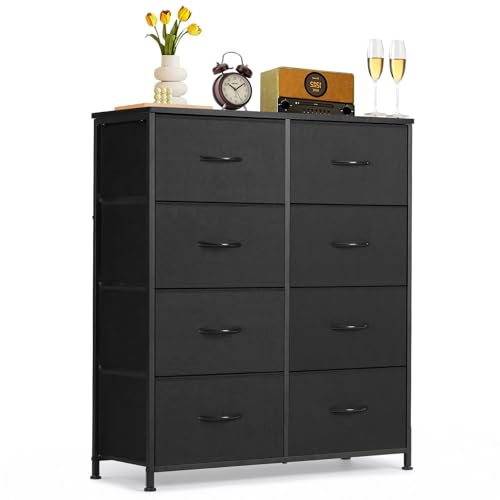
Measure the wall and the walking path before choosing. A dresser that blocks circulation feels wrong no matter how well it stores things. The table below frames the main size categories and the situations each one suits.
| Size Category | Typical Width | Best For | Placement Notes |
|---|---|---|---|
| Compact / entry-level | 30–42 in | Apartments, hallways, small living rooms | Fits beside a doorway or between windows without crowding seating |
| Mid-range standard | 48–60 in | Most living rooms, media use | Works along a main wall; top surface accommodates decor or a TV |
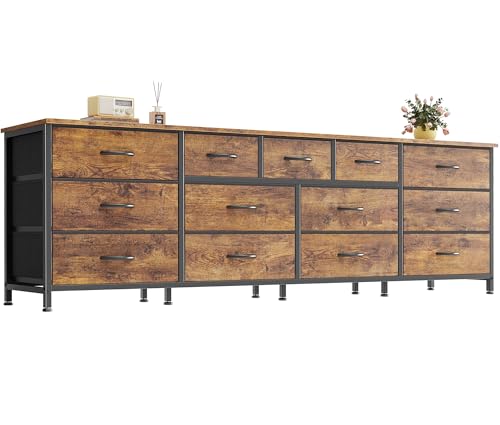
| Wide / top-tier | 62–72 in | Large rooms, sofa-back placement, open-plan dividers | Needs at least 36 in of clearance in front for drawers to open fully |
| Tall chest | 30–40 in (height 48 in+) | Narrow walls, vertical storage | Anchor to the wall; keep the top surface uncluttered to avoid visual heaviness |
For rooms where floor space is genuinely tight, the strategies in our dresser for small spaces guide apply directly. A narrow profile with fewer, deeper drawers often stores more usable volume than a wider piece with shallow drawers.
Drawer Configuration: Depth Matters More Than Count
The number of drawers gets the marketing attention, but depth distribution determines how useful the piece actually is. A living room dresser should handle a mix of flat, bulky, and small items. Look for a configuration that varies drawer depth rather than repeating the same shallow box eight times.
Shallow top drawers
Best for remotes, chargers, cables, coasters, and small accessories. A depth of 4 to 6 inches is enough. These drawers should open smoothly because they get used daily.
Mid-depth middle drawers
Ideal for board games, craft supplies, paperwork, and table linens. A 7 to 9 inch depth handles most of these without wasting vertical space.
Deep bottom drawers
Suited to throws, blankets, pillows, and seasonal decor. Deep drawers benefit most from full-extension slides so you can reach the back without digging.
Mixed configurations
A balanced tier layout with two shallow drawers at top and deeper drawers below covers the widest range of living room storage needs.
Drawer hardware and slide quality matter here because living room drawers open more often than bedroom ones. Full-extension slides with a solid build feel noticeably better than basic side-mounted slides, and the difference is immediately obvious in daily use. Our heavy-duty full-extension drawer slides reference explains what to look for if you are comparing specifications.
Materials and Finishes for a Living Room Context
Living rooms are shared spaces, so durability and finish matter more than in a bedroom. Solid wood and high-grade engineered wood both work; the deciding factors are the joinery and the finish quality. A premium finish resists fingerprints, which is a real concern on dark lacquered surfaces in a high-traffic room.
- Solid wood (mid-range to luxury): Durable construction that can be refinished later. Oak and walnut pair well with most living room palettes.
- Engineered wood with quality veneer: Stable in rooms with humidity swings and typically well-specified for the category. Check edge banding quality on visible sides.
- Painted finishes: White and soft neutral painted dressers read as intentional furniture in a living room. Matte finishes hide smudges better than gloss.
- Mixed materials: Metal frames, cane panels, and upholstered fronts add texture but need more care around pets and children.
For a deeper comparison of construction quality, the dresser quality guide breaks down joinery, drawer boxes, and finish durability. If you are leaning toward a painted look, the dresser color ideas collection shows how different finishes behave against common wall colors.
How to Organize a Living Room Dresser
A living room dresser fails when it becomes a catch-all. Assign each drawer a purpose before the first item goes in. The dresser organization ideas guide covers systems in detail; the living room version prioritizes quick access and tidy surfaces.
- Top drawer — daily essentials: remotes, chargers, reading glasses, pens, and small accessories. Keep it shallow and limit the item count so the drawer stays usable.
- Middle drawers — activity storage: board games, cards, craft supplies, and kids' activities. Use drawer organizers to separate small pieces and prevent sliding.
- Lower drawers — soft goods: throws, blankets, spare pillows, and table linens. Folded flat and stacked front-to-back so you can see every layer.
- Deep bottom drawer — seasonal rotation: holiday decor, extra candles, and items used only part of the year. Label the drawer if it is out of sight line.
Dividers make a meaningful difference in the top two drawers. The drawer dividers guide explains how to measure and configure them without overcomplicating the setup. For small items like jewelry or cables, a dedicated dresser drawer jewelry organizer can be repurposed for tech accessories.
Styling the Dresser Top
The surface is what guests see first, so treat it as a composition rather than a landing zone. A common approach is a tray to contain small objects, one or two taller pieces for vertical interest, and a lamp if the room needs layered lighting.
- Anchor with a tray: corrals remotes, candles, and small decor so the surface reads as deliberate.
- Layer heights: a stack of books, a vase, and a framed print create depth without crowding.
- Limit the palette: two or three materials and a restrained color range keep the top from competing with the room.
- Leave breathing room: at least one-third of the top surface should remain clear for the piece to feel calm.
If the dresser doubles as a media surface, keep cable clutter contained and leave ventilation space around electronics. The dresser entertainment center combo breakdown covers weight limits and cable management in more detail.
Safety and Anchoring
Any dresser in a shared living space should be anchored to the wall, especially in homes with children or pets. Most dressers ship with an anti-tip kit; use it. Place heavier items in lower drawers, avoid stacking tempting objects on the top edge, and check the wall anchor periodically. Soft-close drawers reduce pinched fingers and lower the noise level in a room used for conversation and media.
Matching the Dresser to Your Living Room Style
Because the dresser is a furniture-scale piece, it should relate to the seating and tables around it rather than stand alone. A few practical pairings:
Mid-century modern rooms
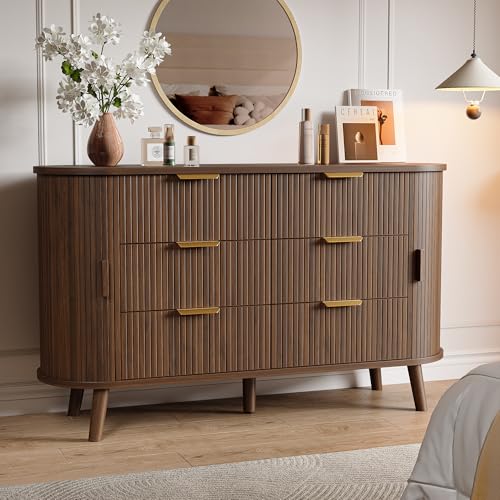
Tapered legs, warm wood tones, and minimal hardware. A low, wide profile suits sofa-back placement. Explore the dresser types index for related silhouettes.
Modern and minimalist rooms
Clean lines, handleless fronts, and a matte finish. Keep the top styling sparse to match the room's restraint.
Farmhouse and transitional rooms
Painted finishes, paneled drawer fronts, and simple knobs. White or soft neutral finishes work well here.
Small or rental spaces
A compact dresser with fewer drawers and a neutral finish moves easily between rooms and apartments. The dresser options for small spaces guide lists practical configurations.
Common Mistakes to Avoid
- Choosing by drawer count alone: a 6-drawer chest with three deep drawers may store more usable volume than a 9-drawer piece with uniformly shallow drawers.
- Ignoring the walking path: measure clearance before buying; a wide dresser in a narrow room creates friction every day.
- Skipping the wall anchor: a living room dresser gets leaned on and bumped more than a bedroom piece.
- Overloading the top surface: the dresser becomes a shelf and loses its visual order.
- Mismatched scale: a tall chest beside a low sofa can look top-heavy; match the piece to the surrounding furniture heights.
Frequently Asked Questions
What is the best size dresser for living room storage?
A mid-range or premium dresser measuring 60 to 72 inches wide works well behind a sofa or along a long wall. For compact apartments, a narrow 36 to 48 inch dresser leaves walkways clear while still offering useful drawer space.
What should I store in a living room dresser?
Common items include throws and blankets, board games, media accessories, craft supplies, table linens, and seasonal decor. Deeper bottom drawers suit bulky items while shallow top drawers are ideal for remotes, cables, and small accessories.
Is a dresser safe for a living room with children?
Yes, provided you anchor the dresser to the wall with the included anti-tip kit. Look for models with interlocking drawers or soft-close mechanisms, and avoid placing tempting items on upper drawers that encourage climbing.
Can a dresser double as a TV stand or buffet?
Many living room dressers work as media consoles or buffet surfaces. Check the top weight capacity, allow ventilation for electronics, and choose a model with cable management cutouts if you plan to place a television on top.
Final Checklist Before You Buy
- Measure the wall, the walking path, and the clearance needed for drawers to open.
- Decide the drawer depth mix based on what you actually plan to store.
- Confirm the finish suits the room's lighting and existing furniture tones.
- Check that an anti-tip kit is included and plan to install it.
- Verify drawer slide quality, especially on the drawers you will open daily.
- Plan the top-surface styling before the dresser arrives so it does not become a catch-all.
With those decisions made, the dresser becomes a permanent, useful part of the living room rather than a temporary storage fix.