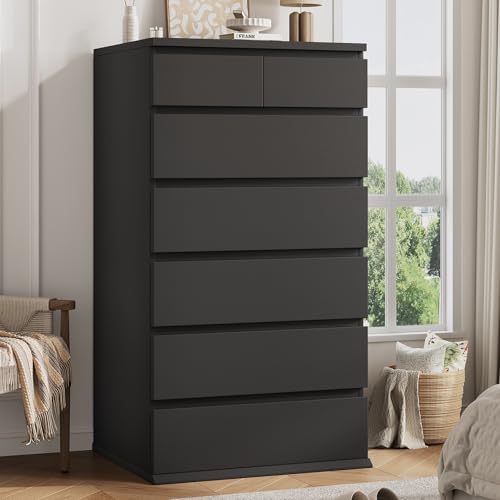
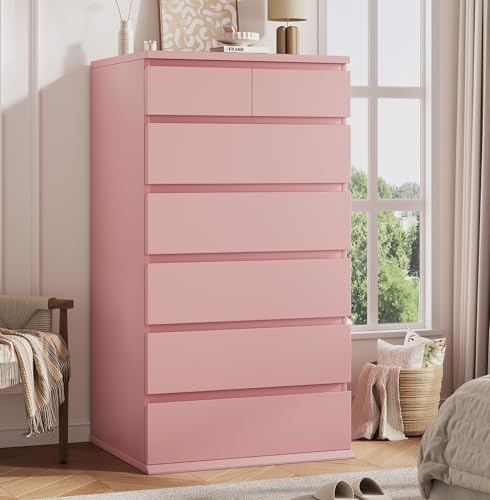
Why Choose a Tall Dresser With a Jewelry Drawer
If you have ever untangled a necklace at the last minute or searched through a cluttered drawer for a matching earring, you already understand the appeal of a tall dresser with a jewelry drawer. This hybrid storage piece solves two problems at once: it gives you the vertical clothing capacity that small bedrooms desperately need, and it provides a dedicated, protected space for small valuables.
A tall dresser with a jewelry drawer is especially useful in bedrooms where floor space is limited but overhead space is abundant. The vertical footprint means you can place it against a narrow wall, beside a closet, or in a corner without eating into walking space. Meanwhile, the jewelry drawer, usually positioned near the top of the unit, keeps accessories at eye level so you can see and reach them easily each morning.
Compared with a standard low dresser paired with a separate jewelry box, this all-in-one approach reduces clutter on the dresser top and keeps delicate items out of the way of daily traffic. For anyone building a cohesive bedroom setup, it pairs naturally with a tall bedroom dresser collection or a complementary tall chest of drawers for additional clothing storage.
What Exactly Is a Jewelry Drawer
A jewelry drawer is a shallow top drawer that has been fitted with an organizational insert. The insert is typically made from felt, velvet, or suede and features compartments, ring rolls, dividers, or removable trays. Some designs include a sliding tray that reveals a hidden lower section, while others use a drop-front panel that folds out for easy viewing.
The purpose is not just organization but protection. Soft linings prevent scratches on metal and gemstones, and individual compartments stop chains from tangling. Many jewelry drawers also include anti-tarnish lining, which helps slow the oxidation that darkens silver and some gold alloys over time.
It is worth noting that a jewelry drawer is a convenience feature, not a security feature. If you store heirloom pieces or items with significant personal value, look for a model with a built-in lock or plan to add a small lockbox inside the drawer. The drawer itself should slide smoothly on metal glides, since frequent daily use will quickly expose weak hardware.
Key Benefits of This Combination
The tall dresser plus jewelry drawer format offers several practical advantages that are easy to overlook until you live with one:
- Space efficiency: A small footprint with substantial vertical storage suits apartments, guest rooms, and shared bedrooms.
- Accessibility: A top-mounted jewelry drawer keeps accessories at a natural reach height, which matters for daily routines.
- Decluttered surfaces: Moving jewelry off the dresser top frees that surface for decor, lighting, or a mirror.
- Protected storage: Felt and velvet linings reduce scratches and tangling compared with loose drawer storage.
- Unified design: One piece of furniture in a consistent finish looks more intentional than several mismatched storage items.
For households that also need hanging space, a solid wood armoire with drawers can complement the tall dresser by handling hanging garments while the dresser manages folded clothing and jewelry.
Size and Height Considerations
Tall dressers with jewelry drawers generally fall between 40 and 60 inches in height, with widths from roughly 30 to 45 inches and depths of 16 to 20 inches. The ideal height depends on who will use it most. For an average adult, a jewelry drawer positioned around 45 to 52 inches from the floor keeps the contents at a comfortable viewing angle without requiring a step stool.
Width matters as much as height. A narrow tall dresser fits tight walls and narrow bedroom layouts, while a wider unit offers more drawer real estate and a more substantial visual presence. If your room is especially compact, a tall skinny dresser for the bedroom can deliver the same vertical storage with a smaller footprint. For a lighter, airier look in a bright room, a tall white dresser for the bedroom can visually open up the space.
| Room Type | Suggested Height Range | Best For |
|---|---|---|
| Small bedroom or apartment | 40 to 48 inches | Compact footprint with easy jewelry access |
| Standard primary bedroom | 45 to 52 inches | Balanced reach height and generous storage |
| Guest room or dressing area | 50 to 60 inches | Maximum vertical capacity, statement presence |
| Shared or teen bedroom | 42 to 50 inches | Secure top drawer, moderate height for daily use |
Always measure the wall space and account for door swings, closet clearance, and ceiling height before ordering. A dresser that feels cramped in the room will be uncomfortable to use no matter how well it is built.
Drawer Layout and Configuration
Most tall dressers with jewelry drawers follow one of three layouts. Understanding them helps you choose based on how you fold and store clothing.
Stacked Layout
The jewelry drawer sits at the top, followed by several medium-depth drawers for folded shirts and sweaters, with one or two deeper drawers at the bottom for bulky items. This is the most common configuration and works well for a single user who wants quick access to accessories and everyday clothing.
Split Layout
Two narrower columns of drawers sit side by side, with the jewelry tray occupying one side of the top row. This layout suits couples who share a dresser and want separate zones, or anyone who prefers smaller, more manageable drawer sizes.
Hidden Tray Layout
A standard top drawer conceals a removable jewelry tray underneath or behind a false bottom. This provides extra security through concealment and keeps the jewelry organized without dedicating an entire drawer to it. Hidden trays are a common feature in premium and luxury tier pieces.
Materials, Finishes, and Hardware
The material determines how the dresser ages, how much weight the drawers can handle, and how the piece fits your bedroom's design language. Solid wood, including oak, walnut, maple, and mahogany, is the most durable choice and develops character over time. A solid walnut dresser offers a rich, dark grain that pairs well with both modern and traditional interiors, while a light oak dresser brings a Scandinavian warmth to smaller rooms.
Engineered wood with quality veneers occupies the mid-range tier and can look nearly indistinguishable from solid wood when finished well. It is lighter and more consistent in appearance, though it is less forgiving of moisture and heavy impacts. Bamboo and metal options exist as well, with metal suited to industrial or contemporary aesthetics.
Hardware deserves attention because it is the part you touch every day. Drawer glides should be metal rather than plastic, ideally with a soft-close mechanism if the budget allows. Knobs and pulls should feel solid in the hand, with no wobble. If you plan to update the look later, removable hardware makes that easy. You can explore bureau drawer knobs to personalize the finish without replacing the dresser.
Interior Lining Matters
The jewelry drawer lining is often overlooked but directly affects how well the drawer protects your items. Felt is soft and widely used; velvet offers a more premium feel; suede is durable and grippy, which helps prevent sliding. Anti-tarnish fabric is a worthwhile upgrade if you store silver or costume jewelry that tends to darken.
Safety and Anti-Tip Essentials
Tall furniture carries a tipping risk, particularly when multiple drawers are open at once or when children climb on the unit. Safety should be a non-negotiable part of your buying decision.
- Wall anchoring: Always use the anti-tip kit provided with the dresser, or purchase one if it is not included. Anchor into a stud where possible.
- Drawer stops: Look for drawers with stops that prevent them from pulling out fully and shifting the center of gravity.
- Weight distribution: Store heavier items in lower drawers and keep the top drawers light.
- Child safety: If young children share the room, choose a model with a locking jewelry drawer and keep the key out of reach.
For rooms with children, a sturdy dresser with reinforced joinery and a wide base is a safer foundation than a lightweight unit. Pair it with a wall anchor and you have a setup that is both functional and secure.
How to Organize a Jewelry Drawer
Even the best-designed jewelry drawer needs a system. A few simple habits keep it tidy and functional:
- Sort by frequency: Place everyday pieces in the front compartments and occasional items toward the back.
- Use ring rolls and trays: Keep rings on a roll and use small trays for earrings so pairs stay together.
- Hang necklaces: Use small hooks or a divided section to prevent chains from tangling.
- Add anti-tarnish strips: Place them in silver storage sections and replace them periodically.
- Clean as you go: Wipe the lining occasionally and remove items you no longer wear.
If your collection outgrows the drawer, a dedicated jewelry storage solution can supplement the dresser without sacrificing the convenience of the top drawer.
Buying Checklist by Tier
Because tall dressers with jewelry drawers vary widely in construction quality, it helps to think in tiers rather than specific figures. The table below groups the key features you can expect at each level.
| Tier | Construction | Jewelry Drawer Features | Best For |
|---|---|---|---|
| Entry-level | Engineered wood, basic glides | Felt insert, fixed compartments | Guest rooms, first apartments, light use |
| Mid-range | Wood veneer or mixed solid wood, metal glides | Velvet lining, removable tray, some dividers | Primary bedrooms, daily use |
| Premium | Solid wood joinery, soft-close glides | Anti-tarnish lining, locking drawer, modular inserts | Long-term use, valuable collections |
| Luxury | Hardwood with hand-finished details | Hidden tray, suede lining, custom compartments | Design-focused bedrooms, heirloom storage |
Whichever tier you choose, prioritize solid drawer construction and smooth glides over decorative extras. Those are the parts that determine how the dresser feels after years of daily use.
Frequently Asked Questions
What is a tall dresser with a jewelry drawer?
A tall dresser with a jewelry drawer is a vertical storage piece that combines standard clothing drawers with a dedicated top drawer fitted with felt-lined compartments, dividers, or a jewelry tray. This design keeps necklaces, rings, and watches organized and easily accessible without needing a separate jewelry box.
How tall should a tall dresser with jewelry drawer be?
Most tall dressers with jewelry drawers range from 40 to 60 inches in height. A height of around 45 to 52 inches works well for average adults, keeping the jewelry drawer at chest or eye level for comfortable access while still offering generous clothing storage below.
Is a jewelry drawer safe for storing valuables?
A jewelry drawer keeps items organized and away from clutter, but it is not a substitute for a safe. For valuable pieces, look for models with locking drawers or use a small lockbox inside the drawer. Anchor the dresser to the wall to prevent tipping and secure the drawer contents.
What materials are best for a tall dresser with jewelry drawer?
Solid wood such as oak, walnut, maple, or mahogany offers the most durable construction and a premium feel. Engineered wood with quality veneers is a solid mid-range option. The jewelry drawer interior is often lined with felt, velvet, or suede to protect delicate items from scratches.
How do I organize a jewelry drawer in a tall dresser?
Use compartment trays and dividers to separate rings, earrings, necklaces, and bracelets. Add a ring roll or small velvet pads for delicate pieces. Keep frequently worn items near the front and store occasional pieces toward the back. Anti-tarnish strips help prevent silver from darkening.
Can a tall dresser with a jewelry drawer work in a small bedroom?
Yes. The vertical footprint is one of the main reasons people choose this style. A narrow tall dresser with a jewelry drawer can fit against a short wall or in a corner while still providing substantial storage. Measure the available floor space and clearance for drawer pull-out before ordering.