Replacement Drawers for Bathroom Vanity
Restore function and style to your bathroom with the right replacement drawers. This guide covers sizing, materials, drawer types, and installation so you can choose with confidence.
Why replace vanity drawers? Bathroom vanity drawers endure daily exposure to moisture, weight, and frequent use. Over time, drawer boxes can warp, slides can fail, and fronts can crack or peel. Rather than replacing the entire vanity, targeted drawer replacement is a practical, efficient upgrade that renews storage capacity and refreshes the look of your bathroom. This guide walks you through every decision point, from measuring the opening to selecting the right hardware and material tier.
Understanding Vanity Drawer Anatomy
Before shopping, it helps to understand the components that make up a bathroom vanity drawer. Each part can often be replaced independently, which gives you flexibility depending on what has worn out.
Drawer Box (or Drawer Sides)
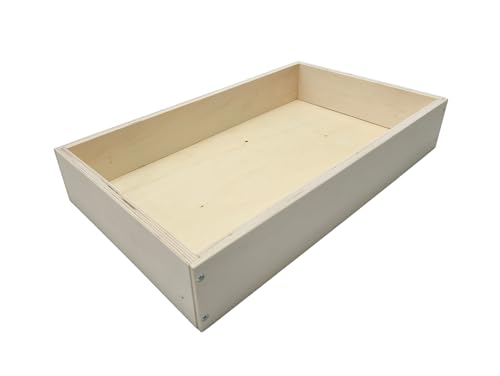
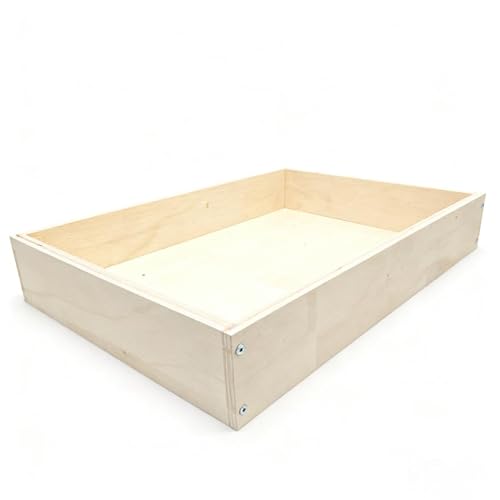
The drawer box is the four-sided container that holds your items. It includes the sides, bottom panel, and back panel. Common materials include plywood, solid wood, and engineered wood. In bathroom environments, moisture-resistant materials such as plywood with sealed edges are preferred over particleboard, which can swell when exposed to humidity.
Drawer Front (or Face)
The drawer front is the visible panel that aligns with your vanity's exterior. It determines the aesthetic and can be flat (slab), raised-panel, shaker-style, or detailed with molding. Matching the front to your existing cabinetry style is critical for a cohesive look.
Drawer Slides (Runners)
Slides are the mechanical tracks that allow the drawer to open and close. They come in three main types: side-mount (economical, visible from the side), under-mount (hidden, smoother operation), and center-mount (traditional, single track underneath). For bathroom use, under-mount slides with soft-close functionality are often preferred for their smooth, quiet action and resistance to moisture intrusion.
Drawer Hardware (Pulls and Knobs)
Hardware is the finishing touch. Knobs, bar pulls, cup pulls, and edge pulls are available in materials ranging from die-cast zinc to solid brass and stainless steel. Stainless steel and brass are excellent choices for bathrooms due to their corrosion resistance. Matching hardware across the vanity creates visual consistency.
Types of Replacement Drawers for Bathroom Vanities
Replacement drawers are not a one-size-fits-all purchase. The right type depends on your vanity's construction, your storage needs, and how much of the original structure you intend to keep.
1. Full Drawer Box Replacements
This is the most comprehensive option. You replace the entire drawer box and front, keeping only the cabinet frame and slides (or replacing those too). Full replacements are ideal when the original drawer boxes are warped, water-damaged, or structurally compromised. They allow you to upgrade to better materials and more efficient internal layouts.
2. Drawer Front Replacements Only
If your drawer boxes are structurally sound but the fronts are dated, cracked, or peeling, front-only replacement is a cost-effective middle path. You keep the existing boxes and slides, and simply attach new fronts. This approach is popular for cosmetic refreshes and allows you to change the style—from flat slab to shaker, for example—without disturbing the internal structure.
3. Drawer Inserts and Organizers
Sometimes the existing drawer is functional but inefficient. In these cases, drop-in organizers, dividers, and cutlery-style trays can transform a single drawer into a well-ordered storage zone. These are not replacements in the structural sense, but they are a practical complement to any drawer upgrade and are often purchased alongside new drawers.
Which type is right for you?
If the drawer box is solid but the front is worn, choose a front-only replacement. If the drawer wobbles, sticks, or shows water damage, a full box replacement is the safer choice. If the drawer works well but you need better organization, start with inserts and dividers before committing to a full replacement.
How to Measure for Replacement Drawers
Accurate measurements are the single most important step in ordering replacement drawers. A drawer that is even a few millimeters off can fail to slide smoothly or leave visible gaps. Follow this measurement checklist carefully.
Step 1: Measure the Cabinet Opening
Remove the existing drawer and measure the clear opening of the cabinet frame. Measure the width at the top, middle, and bottom of the opening, and record the smallest figure. Repeat for the height and depth. The smallest measurement ensures the new drawer will fit without binding.
Step 2: Measure the Existing Drawer Box
If you are replacing the box only, measure the external dimensions of the current drawer box: width, depth, and height. Also note the slide type and slide mounting position (side-mount, under-mount, or center-mount). This information is essential when ordering a direct replacement.
Step 3: Measure the Drawer Front
Measure the width and height of the existing drawer front. Note the overlay style: full overlay (front covers most of the frame), half overlay, or inset (front sits flush inside the frame). Overlay style determines how the new front will align with neighboring drawers and cabinet doors.
Step 4: Note Hardware Hole Spacing
If you plan to reuse existing hardware, measure the center-to-center distance between the mounting holes on the current drawer front. This is especially important for bar pulls. If you are changing hardware, you can choose a new spacing, but you will need to drill new holes or select hardware that covers the old ones.
| Measurement | What to Record | Why It Matters |
|---|---|---|
| Cabinet opening width | Smallest width across top, middle, bottom | Prevents binding and ensures smooth slide operation |
| Cabinet opening height | Smallest height across the opening | Determines drawer box height and clearance |
| Cabinet opening depth | From front frame to back panel | Ensures drawer does not hit the back of the cabinet |
| Drawer box dimensions | External width, depth, height | Direct replacement sizing |
| Slide type | Side-mount, under-mount, or center-mount | Compatibility with existing or new slides |
| Overlay style | Full, half, or inset | Front alignment and visual consistency |
| Hardware spacing | Center-to-center hole distance | Hardware compatibility and reuse |
Materials and Durability for Bathroom Environments
Bathrooms are humid, and vanity drawers are exposed to steam, splashes, and occasional spills. Material choice directly affects how long your replacement drawers will last and how well they resist swelling, warping, and mold.
Plywood
Plywood is the gold standard for bathroom drawer boxes. It is dimensionally stable, resists moisture better than particleboard, and holds screws securely. Look for plywood with sealed or edge-banded sides to further protect against humidity. Plywood is commonly found in mid-range and premium drawer replacements.
Solid Wood
Solid wood drawers (often maple, birch, or oak) offer excellent durability and a premium feel. They are heavier than plywood but can be more susceptible to seasonal expansion and contraction if not properly sealed. In bathrooms, solid wood drawers should have a durable finish on all surfaces, including the interior and edges.
Engineered Wood (MDF and Particleboard)
MDF and particleboard are common in entry-level cabinetry. They are smooth and uniform but can swell if water penetrates the surface. If you choose engineered wood replacements, ensure all edges are sealed and consider a moisture-resistant grade. These are best suited for guest bathrooms or low-humidity environments.
Metal Drawers
Stainless steel and aluminum drawer systems are becoming more popular in modern bathroom design. They are highly moisture-resistant, easy to clean, and offer a sleek industrial look. Metal drawers are often paired with under-mount slides and are available in modular systems that fit standard cabinet openings.
Material tier guidance
Entry-level tier: Engineered wood with sealed edges—adequate for dry climates and low-use bathrooms.
Mid-range tier: Plywood construction with durable laminate or veneer—a balanced choice for most family bathrooms.
Premium tier: Solid wood or high-grade plywood with sealed interiors and soft-close under-mount slides—best for master bathrooms and long-term use.
Choosing the Right Slides and Hardware
Slides and hardware are the components you interact with every day. Investing in quality here pays off in smooth operation, quiet closing, and long service life.
Under-Mount Slides
Under-mount slides are hidden beneath the drawer box, giving a clean look and smooth glide. They are less susceptible to dust and debris than side-mount slides, which is a plus in bathrooms. Soft-close under-mount slides are the top-tier choice for a quiet, premium feel. Look for slides with a weight rating appropriate for your intended contents—heavier items like towels and toiletries require a higher rating.
Side-Mount Slides
Side-mount slides are visible on the sides of the drawer box and are typically more economical. They are easier to install and replace, making them a practical choice for entry-level and mid-range projects. However, they can be noisier and are more prone to accumulating dust and hair in bathroom environments.
Center-Mount Slides
Center-mount slides use a single track under the center of the drawer. They are common in older cabinetry and are less expensive but offer less stability than side-mount or under-mount options. If your vanity uses center-mount slides, replacing them with a modern side-mount or under-mount system may require modifying the cabinet—consider this before committing.
Hardware Finishes for Bathrooms
Stainless steel, brushed nickel, and solid brass are excellent choices for bathroom hardware because they resist corrosion and tarnishing. Avoid inexpensive plated finishes that can flake or rust in humid conditions. For a cohesive look, match the drawer hardware to the faucet and other bathroom fixtures.
Installation Overview: What to Expect
Installation difficulty varies depending on whether you are replacing a full drawer box, a front only, or just the slides. Here is a general overview of what each approach involves.
Replacing the Full Drawer Box
- Remove the existing drawer by extending it fully and releasing the slide clips (or unscrewing the slide from the cabinet).
- If reusing slides, detach them from the old drawer box and attach them to the new box at the same height and position.
- Slide the new drawer into the cabinet and test the operation. Adjust the slide mounting screws as needed for alignment.
- Attach the drawer front to the new box, checking alignment with neighboring drawers before tightening all screws.
Replacing the Drawer Front Only
- Remove the existing front by unscrewing it from the inside of the drawer box.
- Position the new front on the box, checking alignment and spacing.
- Pre-drill screw holes and attach the front from the inside.
- Install or reinstall hardware and adjust as needed.
Replacing Slides
- Remove the drawer and unscrew the old slides from both the drawer box and the cabinet frame.
- Mount the new cabinet-side slide at the same height as the old one, using a level to ensure horizontal alignment.
- Attach the drawer-side slide to the drawer box, ensuring it is parallel to the bottom edge.
- Insert the drawer and test the operation, making micro-adjustments as needed.
Tools you will likely need
A screwdriver (Phillips and flathead), a drill with bits, a tape measure, a level, a pencil, and possibly a rubber mallet. For front replacements, a clamp can help hold the front in place while you pre-drill and screw.
Matching Replacement Drawers to Your Vanity Style
A bathroom vanity is a focal point, and replacement drawers should feel like a natural part of the design—not an obvious afterthought. Consider these style categories when selecting fronts and hardware.
Shaker and Transitional
Shaker-style drawer fronts feature a simple recessed center panel with a flat frame. They are versatile and work well in both traditional and modern bathrooms. Pair with simple bar pulls or round knobs in brushed nickel or matte black for a clean, timeless look. For more on shaker cabinetry, explore our guide to shaker dressers for related style insights.
Modern and Minimalist
Flat slab fronts with no decorative molding are the hallmark of modern vanity design. Handleless options, integrated finger pulls, and edge pulls keep the look sleek. If you are updating a modern bathroom, consider fluted wood dresser styles for texture inspiration or metal dresser designs for industrial contrast.
Traditional and Vintage
Raised-panel fronts, decorative molding, and antique-style hardware suit traditional bathrooms. If your vanity has a vintage feel, look at our antique dresser with mirror collection for complementary design cues. Cup pulls and bin pulls in brass or bronze are classic choices for this style.
Coastal and Cottage
Beadboard fronts, painted finishes, and simple round knobs fit coastal and cottage bathrooms. White, soft gray, and natural wood tones are common. Our guide to white dressers for sale covers related finishes and style pairings.
Common Vanity Drawer Problems and How Replacement Solves Them
Understanding the problem you are solving helps you choose the right replacement approach. Here are the most common issues homeowners face with bathroom vanity drawers.
Drawers That Stick or Bind
Sticking is often caused by worn slides, a swollen drawer box, or misalignment. If the box is sound, replacing the slides with smooth under-mount or side-mount slides can solve the issue. If the box is warped from moisture, a full box replacement is the durable fix.
Water-Damaged or Swollen Drawers
Particleboard and MDF drawers are prone to swelling when water penetrates the surface. Once swollen, they rarely return to their original dimensions. Replacing with plywood or solid wood drawers with sealed edges prevents recurrence.
Cracked or Peeling Fronts
Laminate and veneer fronts can peel or crack over time, especially near the edges where moisture enters. Front-only replacement is a straightforward cosmetic fix that can dramatically improve the vanity's appearance.
Outdated Style
Even functional drawers can make a bathroom feel dated. Replacing fronts and hardware is a simple way to modernize the look without a full remodel. Pair new fronts with updated bureau drawer knobs for a complete refresh.
Insufficient Storage or Poor Organization
If the drawers work well but lack organization, consider drawer inserts, dividers, or a full drawer replacement with a more efficient internal layout. Our dresser buying guide includes storage-planning tips that apply to vanities as well.
Sizing and Compatibility: What to Double-Check
Replacement drawers are not universal. Even within the same vanity, drawer sizes can vary. Before ordering, confirm the following compatibility points.
- Slide compatibility: If you are keeping existing slides, the new drawer box must have the same slide mounting pattern and dimensions. If you are replacing slides, confirm that the new slides fit the cabinet frame and the drawer box.
- Overlay alignment: A new front with a different overlay style may not align with adjacent drawers or doors. Measure the existing overlay and match it closely.
- Hardware hole spacing: If reusing hardware, the new front must have the same hole spacing or you will need to drill new holes (and possibly cover old ones).
- Drawer depth vs. cabinet depth: The new drawer must be shallow enough to clear the back of the cabinet and any plumbing. Measure the interior depth carefully, especially in vanities with plumbing behind the drawers.
- Weight rating: Consider what you will store. Heavy items like towels require slides with a higher weight rating.
Pro tip: order a sample or template
Many suppliers offer sample fronts or detailed dimension drawings. If available, request these before committing to a full set. A small upfront check can prevent costly returns and installation headaches.
Maintenance Tips for Long-Lasting Vanity Drawers
Once your replacement drawers are installed, a few simple habits will keep them operating smoothly and looking good for years.
- Wipe up spills promptly. Moisture is the primary enemy of bathroom drawers. Dry any spills immediately, especially around the edges and seams.
- Keep the bathroom ventilated. Use an exhaust fan during and after showers to reduce humidity levels.
- Clean slides periodically. Dust and hair can accumulate on side-mount slides. Vacuum or wipe them down every few months.
- Avoid overloading drawers. Exceeding the slide's weight rating causes premature wear and can damage the drawer box.
- Check and tighten hardware. Screws can loosen over time. A quick tighten every few months keeps hardware secure.
- Use drawer liners. Bureau drawer liners protect the drawer interior and make cleaning easier.
Frequently Asked Questions
Can I replace just the drawer fronts on my bathroom vanity?
Yes. If the drawer boxes and slides are in good condition, replacing only the fronts is a practical and efficient way to update the look. You will need to match the overlay style and hardware hole spacing to ensure a proper fit.
How do I know if I need a full drawer box replacement or just new slides?
If the drawer box is structurally sound—no warping, swelling, or cracks—new slides may solve sticking or noise issues. If the box is damaged or swollen from moisture, a full box replacement is the more durable solution.
Are replacement drawers compatible with all vanity brands?
Not universally. Compatibility depends on the cabinet opening dimensions, slide type, and overlay style. Always measure carefully and, when possible, consult the supplier's compatibility guide or request a dimension drawing.
What is the best material for bathroom vanity drawers?
Plywood and solid wood are the best choices for bathroom environments because they resist moisture better than particleboard or MDF. Ensure all edges are sealed, and consider moisture-resistant finishes for long-term durability.
Can I install replacement drawers myself?
Yes, most replacement drawer projects are DIY-friendly with basic tools. Full box replacements and slide changes require a bit more care with alignment, but the process is straightforward. If you are unsure, a handyman or cabinet installer can complete the job quickly.
How do I match new drawer fronts to my existing vanity style?
Identify your vanity's style category—shaker, modern, traditional, or coastal—and choose fronts that reflect the same design language. Matching the overlay style and hardware finish also helps create a cohesive look. Our guides on shaker dressers and white dressers for sale offer style inspiration that translates well to vanities.
Ready to Upgrade Your Bathroom Vanity?
Browse our recommended replacement drawers and storage solutions below. Each option is selected to help you restore function and refresh your bathroom with confidence.
View Recommended Products