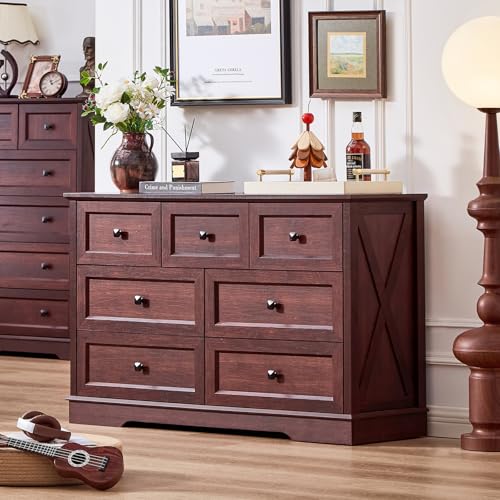
Cherry Dresser: A Complete Guide to Choosing, Styling, and Caring for Cherry Wood
A cherry dresser combines warm color, fine grain, and lasting durability. This guide explains cherry wood grades, construction types, sizing, finish care, and how to match a cherry chest of drawers to your bedroom so you can choose with confidence.
Why cherry stands out: Cherry is a closed-grain hardwood known for its smooth surface and rich color that deepens over time. Whether you are furnishing a primary bedroom or refreshing a guest room, understanding the difference between solid cherry and cherry veneer helps you pick a piece that fits your needs and your space.
What Defines a Cherry Dresser
A cherry dresser is any storage piece finished in cherry wood or cherry veneer. The term covers wide dressers, tall chests, and compact accent pieces. Genuine cherry has a tight, subtle grain and a natural tone that ranges from light reddish-brown to deep amber. Because the wood is photosensitive, it gradually darkens with exposure to light, developing a distinctive patina that many buyers consider the hallmark of quality.
Two construction categories matter most. Solid cherry dressers use thicker boards throughout the case and drawer fronts, giving a heavy, substantial feel and excellent long-term durability. Cherry veneer dressers apply a thin cherry layer over a stable engineered core, which keeps the piece lighter and more dimensionally stable while still delivering the authentic cherry look. Both can be well made; the key is joinery quality and drawer hardware rather than the label alone.
If you are still comparing wood species and finishes, our broader materials and finishes guide explains how cherry compares with oak, walnut, and maple. For a direct look at drawer storage formats, the cherry chest of drawers overview is a useful companion.
Cherry Wood Grades and Construction Tiers
Cherry lumber is graded by the clarity of its face. Higher grades show fewer knots and sap streaks, while lower grades embrace natural character marks. Rather than quoting figures, think in tiers: entry-level cherry pieces often use veneer over a composite core with basic drawer glides; mid-range models typically combine solid drawer fronts with veneer cases and smoother metal slides; premium and luxury tiers use thicker solid stock, dovetail joinery, and soft-close or undermount hardware.
Drawer boxes deserve close attention. A dovetailed drawer box signals a higher construction tier than stapled or glued boxes. Side-mounted roller slides are common at the essential tier, while ball-bearing and undermount slides with soft-close action appear in balanced and top-tier pieces. If smooth, quiet operation matters to you, prioritize hardware quality over decorative extras.
Popular Cherry Dresser Styles
Cherry's refined grain suits several design languages. Traditional and campaign-style dresser designs use cherry for framed drawer fronts and brass or wood pulls. Mid-century and modern interpretations pair cherry with clean lines and tapered legs. A carved dresser in cherry shows off the wood's ability to hold crisp detail, while a cane dresser combines cherry frames with woven panels for a lighter, airier look. If you prefer a more rustic mood, a rustic dresser in cherry can work with distressed finishes, though purists often prefer a clear finish that lets the grain speak.
Mirror-topped options remain popular in traditional bedrooms. A cherry wood dresser with mirror adds a functional grooming station and visual height. For coordinated rooms, a cherry wood dresser and nightstand set keeps grain and finish consistent across the space.
Sizing a Cherry Dresser for Your Room
Measure before you shop. A wide dresser in the 60 to 72 inch range anchors most primary bedrooms, while a tall chest around 36 to 44 inches wide suits smaller rooms and closets. Depth matters too: standard dressers run about 18 to 20 inches deep, and you need clearance for drawers to open fully. Leave at least 30 inches of walkway where possible.
Drawer count should follow your storage habits. Three to four drawers suit linens and folded basics; five to six drawers handle a full wardrobe rotation; nine-drawer configurations work well for shared rooms. If you need deep storage for bulky items, a chest dresser with deep drawers is worth considering. For tight footprints, a tall dresser or a small dresser maximizes vertical space. Our dresser size guide walks through room-by-room measurements in more detail.
Cherry Finish and Color Over Time
Cherry finishes range from natural clear coats to stained tones. A clear or light finish preserves the wood's natural warmth, while stains can push the color toward deeper red or brown. Because cherry darkens with light exposure, a new piece may look noticeably lighter than one that has lived in a sunny room for years. To manage this, rotate decor and avoid placing the dresser in harsh direct sunlight if you want an even patina.
If you are weighing cherry against other warm tones, our burl dresser and caramel dresser pages show how similar tones appear in different wood and finish contexts. Pairing cherry with neutral bedding and soft lighting keeps the focus on the grain.
Care and Maintenance for Cherry Furniture
Cherry is durable but not indestructible. Dust weekly with a soft, slightly damp cloth and dry immediately. Avoid silicone-based polishes, which can build up and dull the finish. Use a mild wood conditioner a few times a year, and wipe spills promptly to prevent moisture damage. Keep the piece away from radiators and humidifiers that swing humidity levels dramatically; stable indoor humidity helps prevent seasonal movement.
For drawer care, keep slides clean and avoid overloading drawers beyond their rated capacity. If drawers begin to stick, check for loose screws or debris in the tracks before applying lubricant. Our dresser cleaning guide covers safe products and routines in more depth.
Buying Checklist for a Cherry Dresser
- Confirm whether the piece is solid cherry, cherry veneer, or a mix, and ask about the core material.
- Inspect drawer joinery: dovetail boxes indicate a higher construction tier.
- Test drawer glide smoothness and look for soft-close features at the mid-range and premium tiers.
- Measure your wall space, doorway width, and drawer pull-out clearance before ordering.
- Ask about finish type and whether the color is expected to shift with light exposure.
- Check for anti-tip hardware, especially for tall chests in homes with children.
If you are comparing overall purchase criteria, our complete dresser buying guide and dresser quality guide provide checklists you can bring to the store. For online shopping, the how to buy a dresser page covers delivery and assembly considerations.
Room Ideas and Styling
Cherry's warm tone pairs naturally with cream walls, linen textiles, and brass accents. In a modern bedroom, a low cherry dresser with minimal hardware can serve as a console under a window. In a traditional room, a mirror-topped cherry chest with framed art above creates a classic focal point. Explore bedroom dresser ideas and dresser styling tips for layout and decor inspiration.
Frequently Asked Questions
Is a cherry dresser worth choosing over other wood types?
Cherry is a premium hardwood prized for its fine grain, warm tone, and long-term durability. A solid cherry dresser is a long-term investment that resists wear well, while cherry veneer over a stable core offers a balanced tier option for those who want the look with lighter construction.
Does cherry wood darken over time?
Yes. Cherry is photosensitive and naturally deepens in color when exposed to light. New pieces often start lighter and develop a richer reddish-brown patina over months and years. This is a normal, expected characteristic of genuine cherry.
How do I care for a cherry dresser?
Dust regularly with a soft cloth, keep the piece out of direct harsh sunlight to manage color change, and avoid silicone-based polishes. Use a mild wood conditioner occasionally and wipe spills promptly. Keep humidity stable to prevent expansion and contraction.
What size cherry dresser fits a standard bedroom?
A wide dresser around 60 to 72 inches suits most primary bedrooms, while a tall chest around 36 to 44 inches wide works well in smaller rooms. Always measure your wall space and leave clearance for drawer pull-out and walkways.