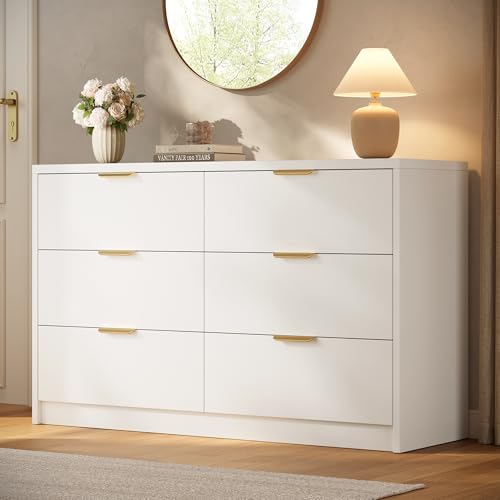
White Dresser and Nightstand: The Complete Guide
Everything you need to know before choosing a matching white dresser and nightstand set — styles, sizes, materials, and expert buying advice for a polished, cohesive bedroom.
Start ReadingWhy a matching white dresser and nightstand? A coordinated set instantly brings visual harmony to a bedroom. White is the most versatile furniture finish, reflecting light and making rooms feel larger, fresher, and calmer. But not all sets are created equal — the right pairing depends on your room dimensions, storage habits, and the finish quality you expect. This guide walks you through every factor so you can choose with confidence.
Why Choose a White Dresser and Nightstand Set?
A white dresser and nightstand combination is one of the most practical and aesthetically rewarding furniture purchases for a bedroom. White furniture works across nearly every design language — from modern and minimalist interiors to farmhouse and coastal-inspired spaces. The neutral tone acts as a blank canvas, letting your bedding, artwork, and accessories take center stage while the furniture quietly anchors the room.
Beyond aesthetics, buying a matching set eliminates the guesswork of coordinating separate pieces. Manufacturers design matching dressers and nightstands with identical finishes, hardware, drawer proportions, and edge profiles, so the result looks intentional rather than assembled piecemeal. If you are furnishing a new bedroom or refreshing an existing one, a coordinated white set is a reliable starting point that rarely goes out of style.
This guide covers the practical decisions you will face: selecting the right dresser size for your floor plan, understanding what differentiates an entry-level set from a high-end tier one, and choosing hardware and finish details that suit your room. By the end, you will know exactly what to look for — and what to avoid — when shopping for a white dresser and nightstand.
Types of White Dresser and Nightstand Sets
The market offers several distinct configurations, each suited to different room sizes and storage needs. Understanding these categories helps you narrow your search quickly.
Standard Two-Piece Set
The most common configuration: one dresser (typically 5–6 drawers) paired with a single nightstand. Ideal for guest rooms and smaller primary bedrooms where symmetrical matching on both sides of the bed is not required. This is the essential tier of matching sets and covers the majority of bedroom layouts.
Symmetrical Bedroom Set
One dresser plus two identical nightstands — one for each side of the bed. This layout creates a balanced, hotel-like feel and works best in primary bedrooms with generous wall space. It is the most complete expression of the matching-set concept.
Dresser with Mirror and Nightstand
A three-piece grouping that adds a mirror to the dresser top. This is a smart choice if you prefer a dedicated grooming station in the bedroom. Options range from attached mirrors to separate vanity-style setups.
Compact Set for Small Rooms
For tight floor plans, a small white dresser paired with a narrow nightstand preserves walking space while still delivering coordinated storage. These sets often use vertical orientation to compensate for a smaller footprint.
If you need maximum storage, consider a taller configuration such as a tall white dresser paired with a standard nightstand. Conversely, rooms with long blank walls benefit from a wide dresser, which provides expansive top-surface display space alongside generous drawer capacity.
How to Choose the Right White Dresser and Nightstand
1. Measure Your Room Before You Shop
Start with the non-negotiables: the width of the wall where the dresser will stand, the clearance needed for drawers to open fully (allow roughly 24–30 inches of open floor space), and the walking path between the bed and the dresser. For the nightstand, ensure its top sits at or slightly below mattress height for comfortable reach. A nightstand that is too tall disrupts the visual line of the bed; one that is too short feels awkward.
2. Decide on Dresser Orientation
A horizontal dresser offers a broad top for lamps, plants, and decorative trays, and its lower drawers are easy to reach. A vertical dresser saves floor space and suits narrow walls, making it a strong pick for compact bedrooms and closet-adjacent storage. Think about which shape complements the proportions of your room before committing.
3. Assess Drawer Quality and Glide Mechanism
Drawer hardware is where tiers of quality diverge most noticeably. Entry-level sets typically use basic side-mounted roller glides; mid-range sets step up to ball-bearing slides with smoother travel; premium and high-end tier sets frequently feature soft-close mechanisms and dovetail-joined drawer boxes. If you open your dresser drawers daily, the difference in glide smoothness is immediately noticeable. A soft-close white dresser pairing is worth prioritizing for bedrooms shared with light sleepers.
4. Evaluate Material and Finish
White finishes range from painted engineered wood to lacquered solid hardwood. Consider these common construction categories:
| Construction Tier | Typical Materials | Best For |
|---|---|---|
| Starter tier | Laminate or foil-wrapped engineered wood | Guest rooms, rental apartments, first furniture purchases |
| Mid-tier | Painted MDF with solid wood trim; ball-bearing glides | Primary bedrooms with moderate daily use |
| High-end tier | Solid hardwood frames, dovetail drawers, soft-close slides | Long-term family homes and daily heavy use |
| Premium / luxury tier | Lacquered solid wood, hand-finished details, designer hardware | Statement bedrooms and design-forward interiors |
Finish durability matters especially in white furniture, where scuffs and yellowing are more visible than on darker woods. A lacquered finish resists moisture and wipes clean easily, while a gloss white dresser delivers a sleek, reflective look suited to modern interiors. Softer matte and satin finishes feel warmer and hide fingerprints better.
5. Match Hardware to Your Style
Hardware is the easiest way to shift the personality of a white set without changing the furniture itself. Gold and brass pulls add warmth and a touch of glamour — see options like a white dresser with gold handles or a brass-hardware white dresser. Black knobs create crisp contrast for modern or industrial-leaning rooms, as seen in white dressers with black knobs. For a softer, cottage-inspired look, white-on-white knobs keep the palette airy and understated.
6. Plan the Nightstand Around Your Bedside Habits
Think about what actually lives on and inside your nightstand: a lamp, a book, a phone charger, reading glasses, maybe a water glass. A nightstand with a single drawer and an open shelf covers most needs. If you store medications, chargers, or bedtime essentials, prioritize at least two drawers. If you want the nightstand to double as a reading surface, check that the top depth is sufficient for a lamp base plus a book.
Style Directions for White Dresser and Nightstand Sets
White furniture is chameleon-like, but the styling details you choose steer the final look. Here are the dominant directions and what distinguishes each.
- Modern and minimalist: Clean lines, flat drawer fronts, integrated or recessed handles, and a gloss or satin finish. A modern white dresser paired with a streamlined nightstand keeps the room uncluttered. This direction pairs well with neutral bedding and a restrained color palette.
- Farmhouse and cottage: Plank-style drawer fronts, beadboard detailing, cup pulls, and a slightly distressed or matte finish. A farmhouse white dresser set leans warm and inviting, especially with natural wood accents nearby.
- Mid-century inspired: Tapered legs, angled drawer pulls, and a mix of white with warm wood tones. A mid-century white dresser brings retro character without overwhelming a room.
- Glam and transitional: Mirrored accents, crystal knobs, metallic trim, or a mirrored white dresser deliver a polished, reflective look. This style works well in rooms with plenty of natural light.
- Textural and organic: Rattan or wicker drawer fronts break up the solid white surface and add warmth. A white rattan dresser or a white wicker dresser suits coastal, boho, and cottage interiors.
If your bedroom already has strong design elements — a statement headboard, bold wallpaper, or a colorful rug — a clean white set provides visual breathing room. If the room is neutral and understated, hardware and finish texture become the primary style carriers, so choose them deliberately.
Mixing White With Wood and Other Materials
An all-white set can feel flat in a room with no other texture. One of the most effective ways to add depth is a two-tone piece — a white body with a contrasting top. Options include a white dresser with natural wood top, a light wood top, or a richer dark wood top. Each shifts the set's temperature: natural and light tops feel Scandinavian and airy, while dark tops add grounding contrast.
You can also pair a white set with wood-toned furniture elsewhere in the room — a wooden bed frame, a rattan chair, or warm-toned flooring — to prevent the white from reading as clinical. The goal is contrast in texture, not contrast in color chaos. Two or three material families in a room (white painted wood, natural wood, and one accent metal) is usually enough.
Placement and Layout Tips
Where you place the dresser and nightstand matters as much as what you buy. A few principles keep the room balanced:
- Nightstands should flank the bed symmetrically if space allows. Matching nightstands on both sides create calm and order; a single nightstand reads as intentional only when the bed is against a wall on one side.
- Anchor the dresser to a solid wall rather than floating it mid-room unless the room is large enough to define a separate dressing zone. Drawers need clearance to open, and a dresser against a wall feels more grounded.
- Leave breathing room above the dresser. A wall mirror, artwork, or a pair of sconces above the dresser balances the visual weight of the furniture below. Keep at least a few inches of wall visible around any hanging decor.
- Coordinate heights. The nightstand top should sit within a few inches of mattress height. The dresser top can be any height, but if you plan to place a mirror or TV on it, confirm the proportions work from your usual viewing position.
For rooms where the dresser doubles as a media surface, a white TV stand dresser configuration may be more appropriate than a standard dresser, since cable management and viewing height are already considered in the design.
Safety and Long-Term Durability
Dressers are among the most common furniture tip-over hazards, especially in homes with young children. When evaluating a white dresser and nightstand set, check for anti-tip hardware and wall-anchoring kits included with the product. A heavier dresser with a solid frame is less prone to tipping than a lightweight one, but anchoring is essential regardless of weight.
For nursery or children's rooms, look for dedicated children's white dressers designed with lower heights and softer edges. These are built with safety standards in mind and are worth the deliberate choice over a standard adult dresser.
On durability: painted and lacquered white finishes hold up well when cared for properly. Wipe spills promptly, avoid abrasive cleaners, and use felt pads under decorative items on the dresser top to prevent scratches. Drawer glides benefit from occasional inspection — a loose screw or misaligned slide is easy to fix early and becomes a bigger annoyance if ignored.
Quick Comparison: Which Configuration Fits Your Room?
| Configuration | Best For | Consider If |
|---|---|---|
| Dresser + single nightstand | Guest rooms, compact primary bedrooms | You need one bedside surface and want to keep floor space open |
| Dresser + two matching nightstands | Primary bedrooms with symmetric bed placement | You want a balanced, hotel-style layout |
| Dresser + mirror + nightstand | Bedrooms without a separate vanity | You want a grooming station integrated into the bedroom |
| Compact / small-scale set | Apartments, small bedrooms, dorm-style rooms | Wall space and walking clearance are limited |
| Tall dresser + nightstand | Narrow rooms with vertical wall space | You need substantial storage but have a small footprint |
Frequently Asked Questions
Should the dresser and nightstand match exactly, or can they coordinate?
What size nightstand pairs best with a standard dresser?
Does white bedroom furniture yellow over time?
How many drawers should a dresser have for two people?
Can I mix a white dresser with a wood-toned bed frame?
What is the difference between a dresser and a chest of drawers?
Are white dresser and nightstand sets suitable for a nursery?
Ready to Find Your White Dresser and Nightstand Set?
Browse our curated recommendations below to compare styles, configurations, and quality tiers — all selected to help you furnish a cohesive white bedroom.
View Recommendations