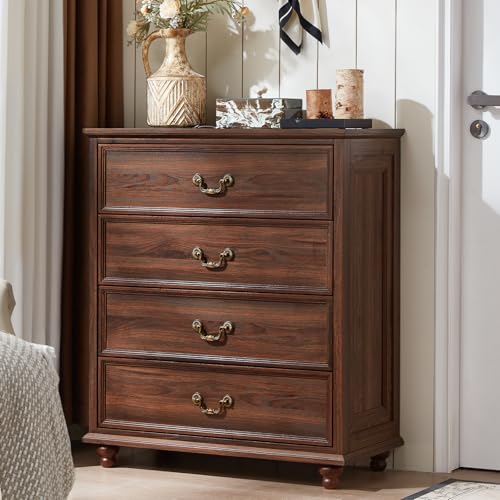
Small Wood Dresser: The Complete Guide to Compact Wooden Storage
Everything you need to know before choosing a small wood dresser — from solid oak and walnut construction to drawer layout, sizing, and placement in tight bedrooms, closets, and studio spaces.
Explore the Buying GuideWhy a small wood dresser deserves your attention: In compact bedrooms and studio apartments, every inch counts. A well-built small wood dresser delivers the warmth and durability of natural timber without overwhelming your floor plan. This guide breaks down the materials, dimensions, and design details that separate a long-term investment from a short-lived purchase.
What Makes a Small Wood Dresser Different
A small wood dresser is defined less by a single measurement and more by how it fits your room. Most compact models fall between 30 and 48 inches wide, with a depth of 15 to 20 inches and a height ranging from 30 to 42 inches. Within that footprint, the construction quality and drawer configuration vary enormously — and that is where the real decision lies.
Unlike a full-size bedroom dresser, a compact wooden unit is often placed in secondary rooms: a guest bedroom, a nursery corner, a closet, or a hallway landing. That placement should shape your choice. A deep drawer unit works well in a closet where depth is available, while a shallow-profile design is better for a narrow bedroom wall. If you are outfitting a tight closet, explore dedicated small dresser options that fit in a closet before committing to a standard depth.
Wood Types and What They Mean for Durability
The wood species affects weight, grain character, and how the piece ages. Solid hardwood is generally the most durable path, but each species has trade-offs.
- Oak: Dense, heavy, and highly resistant to daily wear. Oak grain is prominent and works well in both traditional and contemporary rooms. A solid oak construction is a long-term investment that can be refinished decades later. Browse solid oak dressers to compare grain patterns and finish options.
- Walnut: A darker, warmer tone with a smoother, more uniform grain. Walnut is typically a premium or luxury tier material and pairs well with mid-century silhouettes. A solid walnut dresser suits rooms where the furniture is meant to be a visual centerpiece.
- Pine: Lighter in color and weight, with a relaxed, casual character. Pine is softer than oak or walnut and will show dents more readily, but it is a solid choice for a starter tier or nursery piece. See solid pine dresser options for a softer, more rustic look.
- Engineered wood with veneer: A practical mid-range option when you want a specific painted finish or a very tight budget footprint without visible solid-wood grain. The core is stable, though it does not carry the same refinishing potential as solid timber.
If you are weighing the two broad construction paths, our comparison of solid wood versus engineered wood explains where each approach holds up over time.
Drawer Count and Layout for Compact Spaces
Small wood dressers usually carry three to five drawers. The right count depends on what you intend to store and how much wall height you have available.
- Three drawers: The most common compact layout. Often split as one shallow top drawer for accessories and two deeper lower drawers for folded clothing. Ideal for a bedside position or a very narrow wall.
- Four to five drawers: A balanced tier for a compact bedroom where the dresser is the primary clothing storage. More drawers mean better separation of categories, which matters more than raw volume in a small unit.
- Deep drawers: Useful for bulky knitwear and linens, but in a small dresser a deep drawer can become a disorganized catch-all. Look for at least one shallow top drawer regardless of the total count.
Soft-close drawer slides and dovetail joinery are the two details worth inspecting on any solid wood unit. They separate a mid-tier build from a top-tier one and are far harder to retrofit later than a finish change. A solid wood dresser with soft-close drawers is a worthwhile upgrade if the piece will be used daily.
Sizing Your Small Wood Dresser to the Room
Measure twice, place once. A compact dresser that is two inches too wide for a doorway or closet opening is a problem no amount of styling can solve. Use the table below as a starting point, then verify against your actual wall run and clearance needs.
| Category | Typical Footprint | Best For | Market Tier |
|---|---|---|---|
| Narrow bedside unit | 24–32 in wide, 15–18 in deep | Bedside table alternative, hallway, guest nook | Essential tier |
| Compact bedroom dresser | 32–42 in wide, 16–19 in deep | Small bedroom, studio apartment, nursery | Mid-tier |
| Closet-fit dresser | 30–44 in wide, 15–18 in deep | Walk-in closet, reach-in closet organizer | Balanced tier |
| Tall compact chest | 28–36 in wide, 16–20 in deep | Tight floor plan with vertical wall space | Mid-range |
| Premium solid hardwood compact | 36–48 in wide, 18–20 in deep | Primary bedroom, long-term furniture investment | Premium tier |
Height deserves equal attention. A dresser taller than 42 inches in a small room can dominate the visual field, while a unit under 30 inches may feel undersized next to a full-height bed. Check the finished height against your mattress top and any wall art you plan to hang above it. If the unit will sit beside a bed, our guide to small chest of drawers for bedside tables covers height and clearance in more detail.
Placement Scenarios for Compact Wooden Dressers
Where the dresser goes changes which features matter most.
- Bedroom wall: Prioritize drawer access clearance of at least 24 inches in front of the unit. A small dresser for bedroom use should have enough top surface for a lamp and a small tray.
- Closet interior: Depth is the constraint. Measure from the back wall to the closet door swing, and confirm drawer pull-out space. A closet-fit small dresser with a shallow profile is the practical route.
- Living room or multi-use room: A wood dresser can serve as a sideboard or media console. Look for a level top and a finish that matches the room's existing wood tones. See small chest of drawers for living room layouts.
- Nursery: Stability and anti-tip anchoring are non-negotiable. Choose a lower, wider footprint over a tall narrow unit, and anchor it to the wall.
Design Styles That Work in Small Rooms
Style is not purely cosmetic in a compact space. Legs, hardware, and finish all affect how much visual weight the piece carries.
Mid-century modern silhouettes — tapered legs, clean drawer fronts, and a low profile — keep a small room feeling open. A small mid-century modern dresser is a strong fit for studio apartments and contemporary bedrooms. Painted finishes in white or soft grey reflect light and make a narrow wall feel less crowded; a small grey dresser for a bedroom is a versatile neutral choice. Natural wood tones add warmth but visually advance the piece, so pair a wood-finish unit with lighter walls and keep the top surface uncluttered.
Hardware is the simplest upgrade. Replacing plain pulls with brass or black hardware can shift a mid-tier unit toward a more premium look without changing its footprint. If the piece will sit against a wall with a mirror, a small dresser with a mirror can double as a grooming station in a tight room.
Quality Checks Before You Commit
Before finalizing any small wood dresser, run through these inspection points. They matter more in a compact unit because a poorly built small dresser has less structural margin for error than a large one.
- Joinery: Dovetail or finger-jointed drawer boxes outlast stapled or glued-only construction.
- Drawer slides: Side-mounted roller slides are common at entry level; undermount soft-close slides are a mid-tier and above feature.
- Back panel: A solid or thicker back panel adds rigidity and prevents racking when the dresser is moved.
- Finish: A sealed, water-resistant top coat matters if the unit doubles as a lamp or plant surface.
- Stability: Check for a tip-restraint kit and leveling feet, especially on taller compact chests.
If you need a piece that arrives ready to use, look at small dressers with no assembly required, but expect a narrower range of solid wood options in that category.
Frequently Asked Questions
What is the ideal size for a small wood dresser?
A small wood dresser typically measures between 30 and 48 inches wide, 15 to 20 inches deep, and 30 to 42 inches tall. These dimensions fit comfortably in compact bedrooms, closets, and studio apartments while still offering practical storage capacity.
Which wood type is best for a small dresser?
Solid oak and walnut offer the best durability and longevity. Pine is a solid choice for a lighter, more casual look. Engineered wood with a wood veneer can be a practical mid-tier option if you prioritize a specific finish over solid construction.
How many drawers should a small wood dresser have?
Most small wood dressers feature three to five drawers. A three-drawer configuration is ideal for bedside use or tight spaces, while four to five drawers offer a better balance of capacity and organization for a compact bedroom.
Can a small wood dresser be used in a closet?
Yes. A small wood dresser is an excellent closet organizer. Measure your closet depth and door clearance first, and choose a unit with a shallow profile. Many compact models are designed specifically for closet placement.
The Bottom Line
A small wood dresser is one of the highest-impact furniture decisions in a compact home. Get the footprint right, choose a wood species that matches how hard the piece will be used, and insist on solid drawer construction. The right unit becomes a long-term investment that outlasts several room rearrangements.
Start with your measured wall run and closet depth, then narrow by wood type and drawer count. If you are still deciding between a dresser and a taller chest for your space, review our full small wood dresser collection to compare compact configurations side by side.